Becoming a Software Engineer
Introduction to Software Engineering
More Than Just Code
Software is everywhere. It runs our phones, cars, and coffee makers. It manages banking systems and helps doctors diagnose illnesses. But who builds all this software, and how do they do it without creating a chaotic mess?
That's where software engineering comes in. It’s not just about writing code. Think of it like the difference between building a simple garden shed and constructing a skyscraper. You could probably build a shed with a rough sketch and some basic tools. But for a skyscraper, you need architects, blueprints, structural analysis, and a highly coordinated team. Software engineering provides that same level of discipline for the digital world.
Software Engineering
noun
The systematic application of engineering principles to the development of software.
This formal approach ensures that complex software is built efficiently, works reliably, and is easy to maintain over time. It provides a structured process to turn an idea into a functional product that people can depend on.
A Blueprint for Building
Engineers don't start building a bridge by just laying bricks. They follow a detailed plan. In software, this plan is called the Software Development Life Cycle, or SDLC. It's a roadmap that guides a project from start to finish.
While the exact steps can vary, the SDLC generally covers several key phases:
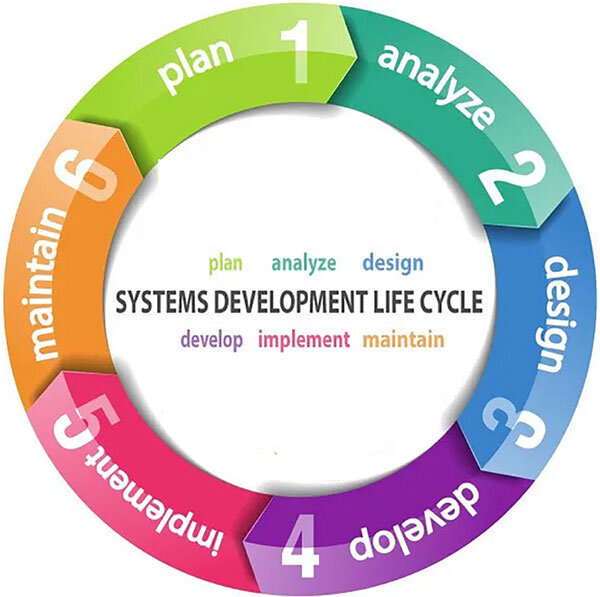
First, you plan the project and analyze the requirements to understand what the software needs to do. Next, you design its architecture and how it will look and feel. Then comes the development phase, where developers write the code.
After the software is built, it's implemented (or deployed) so users can access it. Finally, the maintenance phase begins, which involves fixing bugs, making updates, and ensuring everything continues to run smoothly. This cycle ensures a logical progression and helps keep the project on track.
Guiding Principles
A few core ideas guide how software engineers work. One of the most important is managing complexity. Large software projects can have millions of lines of code and hundreds of features. To make this manageable, engineers break the big problem down into smaller, self-contained pieces. This way, different teams can work on different parts without getting in each other's way.
Another key principle is a focus on quality. This isn't just about finding and fixing bugs. It's about building software that is secure, efficient, and easy for people to use. Quality is built into every stage of the SDLC, from initial design to final testing.
Finally, good software engineering plans for the future. Software is never truly “finished.” It will need updates, new features, and bug fixes for years to come. Engineers write code that is clean, well-documented, and easy for others to understand and modify later on.
The goal is to build software that not only works today but is also adaptable for tomorrow.
The Team Behind the Software
Creating software is a team sport. While software engineers are central to the process, they work alongside many other professionals who bring different skills to the table. A typical team includes several distinct roles, each responsible for a different piece of the puzzle.

Understanding these roles helps clarify how a project moves from an idea to a finished product. Everyone has a specific focus, but they all work together toward the same goal.
| Role | Primary Responsibility |
|---|---|
| Software Engineer | Writes, tests, and maintains the code that makes the software run. |
| Product Manager | Defines the vision for the product, prioritizes features, and represents the user's needs. |
| UI/UX Designer | Designs the user interface (UI) and the overall user experience (UX) to make the software intuitive and enjoyable. |
| Quality Assurance (QA) Engineer | Tests the software to find bugs and ensure it meets all requirements before it's released to users. |
Let's check your understanding of these fundamental concepts.
What is the primary purpose of software engineering?
Arrange the following Software Development Life Cycle (SDLC) phases in the correct order.
Software engineering provides the structure and discipline needed to build the reliable, complex applications we use every day. It’s a field built on process, principles, and teamwork.