Becoming a Semi-Truck Owner-Operator
Introduction to Owner-Operator Trucking
What is an Owner-Operator?
An owner-operator is a truck driver who owns their own trucking business. Instead of driving a truck for a company, they run the whole show. They own the truck, find the freight, and manage all the business operations themselves. Think of it as being a small business owner where your office is an 18-wheeler.
Company drivers are employees. They get a steady paycheck, drive a company-owned truck, and are told where to go and what to haul. Owner-operators are entrepreneurs. They take on more risk but also have the potential for greater rewards and freedom. They are the backbone of the logistics industry, moving goods from ports to warehouses and from warehouses to stores.
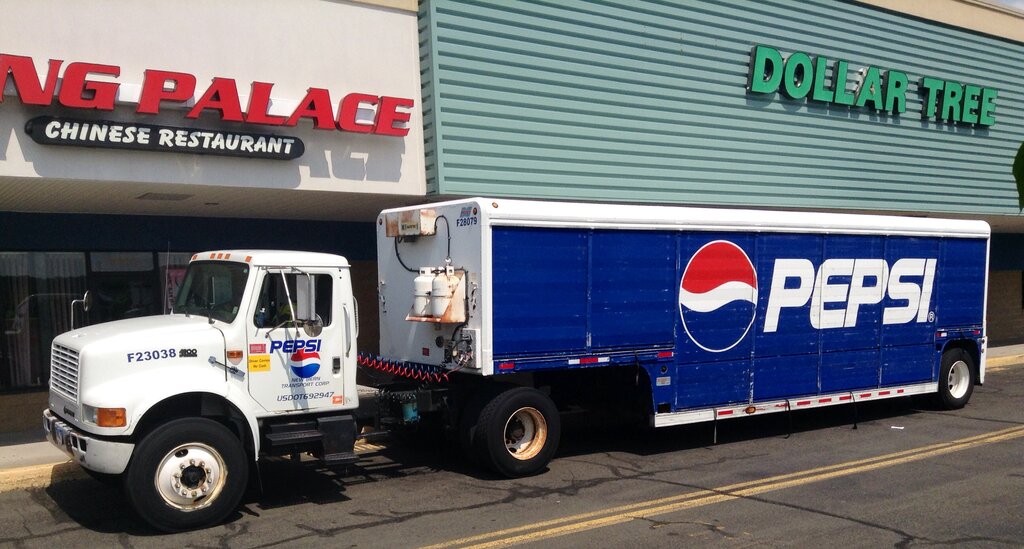
Every time you see a truck on the highway, there's a good chance it's driven by an owner-operator. They are independent business people who play a crucial role in keeping the economy moving.
Freedom and Responsibility
Becoming an owner-operator means trading the security of a regular job for the freedom of being your own boss. This path isn't for everyone, as it comes with a unique set of advantages and challenges. You get to make the big decisions, from what kind of truck you drive to which routes you take. But you're also responsible for everything that goes wrong.
The biggest upside is control. You control your schedule, your income potential, and your career path. The biggest downside is that you're responsible for every single detail, from fuel costs to flat tires.
Understanding both sides is key before you decide to take the wheel of your own business. It requires a mindset shift from being an employee to being an owner.
| Advantages | Challenges |
|---|---|
| Higher earning potential | High initial investment (truck, insurance) |
| Be your own boss | Inconsistent income, especially at first |
| Choose your own loads and schedule | Responsible for all business tasks (invoicing, taxes) |
| Pride of ownership and building a business | Must find and pay for your own maintenance |
| Tax advantages for business owners | Long hours and significant time away from home |
The Trucking Landscape
The trucking industry is a massive network that connects businesses and consumers. As an owner-operator, you are a vital link in this supply chain. To succeed, you need to understand the main players and how they interact.
Shipper
noun
A company or individual that needs to transport goods from one place to another. They are your potential customers.
Shippers have the freight. You have the truck. The challenge is connecting the two. Sometimes shippers work directly with truckers, but often there's a middleman.
Broker
noun
A freight broker is a person or company that acts as a liaison between a shipper and a motor carrier (like you).
Brokers don't own trucks. They specialize in logistics and have networks of shippers who need reliable carriers. Many owner-operators find work through freight brokers, who take a small percentage of the fee in exchange for connecting them with loads. This relationship is central to how the industry works.
Now that you understand the basic role of an owner-operator and the world they work in, let's get ready to dive deeper into the first steps of starting your business.
What is the primary difference between an owner-operator and a company driver?
What is the main role of a freight broker in the trucking industry?