Becoming a Positive Role Model
Understanding Parental Influence
The First Teachers
From the moment they are born, children are learning. Long before they step into a classroom, their education begins at home. Parents are a child's first and most influential teachers, not through formal lessons with flashcards and textbooks, but through the simple act of living. This constant, quiet teaching is the core of parental influence.
Parental influence is the way a parent's actions, attitudes, and emotional expressions shape a child's development. It's not just about the big, intentional moments, like teaching them to ride a bike. It's about the thousands of small, unscripted interactions: how you greet a neighbor, how you react when you spill milk, or the tone of voice you use when you're tired. Children are keen observers, absorbing these moments like sponges.
The parent-child relationship lays the foundation of a child’s emotional, social, and cognitive development.
This learning happens through a process called modeling. Children naturally imitate the people they are closest to. They see how you navigate the world, and that becomes their blueprint. They learn which emotions are acceptable to show, how to solve problems, and how to treat others, all by watching you. This is why a parent's behavior often becomes a child’s inner voice, guiding their actions long after they've grown up.
Shaping Hearts and Minds
The impact of this modeling is profound, especially on social and emotional growth. When a child sees a parent express anger by yelling, they learn that yelling is a valid way to handle frustration. If they see a parent apologize after a mistake, they learn the value of humility and repair.
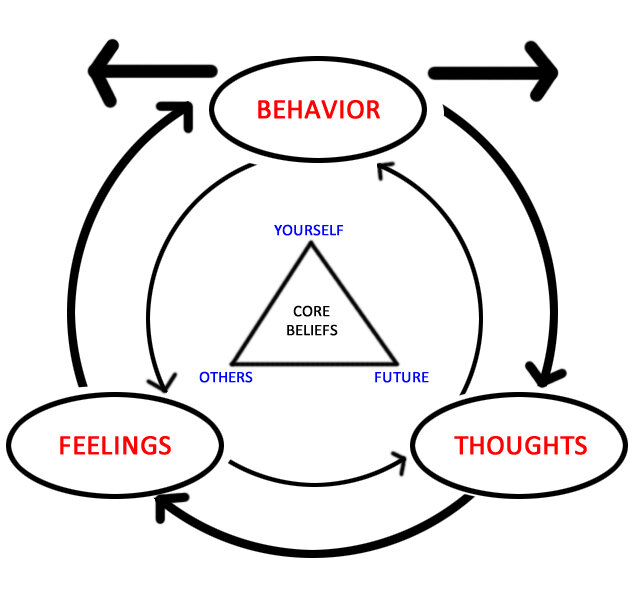
These observed behaviors build a child's emotional vocabulary and social skills. They learn empathy by receiving it and seeing it practiced. They build resilience by watching their parents cope with setbacks. A parent's way of being doesn't just teach a child how to act; it shapes how they feel about themselves and how they connect with the world around them.
The Power of Self-Awareness
Because this influence is so powerful, self-awareness is one of the most important tools a parent can have. It’s the ability to pause and notice your own feelings, reactions, and behaviors. It’s not about being a perfect parent, because no one is. Instead, it's about being an intentional one.
Understanding your own patterns is the first step toward consciously choosing what you model for your child.
When you are self-aware, you can catch yourself before an automatic reaction takes over. You can ask yourself: Is this how I want my child to learn to handle stress? Is this the attitude I want them to adopt? This reflection allows you to respond to situations with more thought and care, rather than just reacting from habit. It's in these moments of conscious choice that the most powerful and positive modeling happens.
Let's test your understanding of these core concepts.
What is the primary way children learn from their parents, according to the provided text?
The process where children naturally imitate the behavior, attitudes, and emotional expressions of those they are closest to is called ________.