Becoming a Notary in Maine
Introduction to Notary Public in Maine
The Role of a Notary
A Notary Public is an official of integrity appointed by the state government to serve the public as an impartial witness. Their primary job is to deter fraud by verifying the identity of people signing important documents. Think of them as a trusted third party who confirms that a signer is who they say they are and is acting of their own free will.
A notary public is a state-appointed official authorized to perform acts that help prevent fraud and ensure the authenticity of important documents.
This role is crucial for countless legal and business transactions. By witnessing signatures, administering oaths, and performing other official acts, notaries give documents a layer of legal credibility that is recognized by courts and government agencies.
A Brief History in Maine
The tradition of notaries dates back to ancient Rome, but their role in Maine has been important since its earliest days. Before Maine even became a state in 1820, officials performed notarial acts to validate land sales, maritime contracts, and other agreements. As the state grew, so did the need for reliable verification of documents to support commerce and property rights.
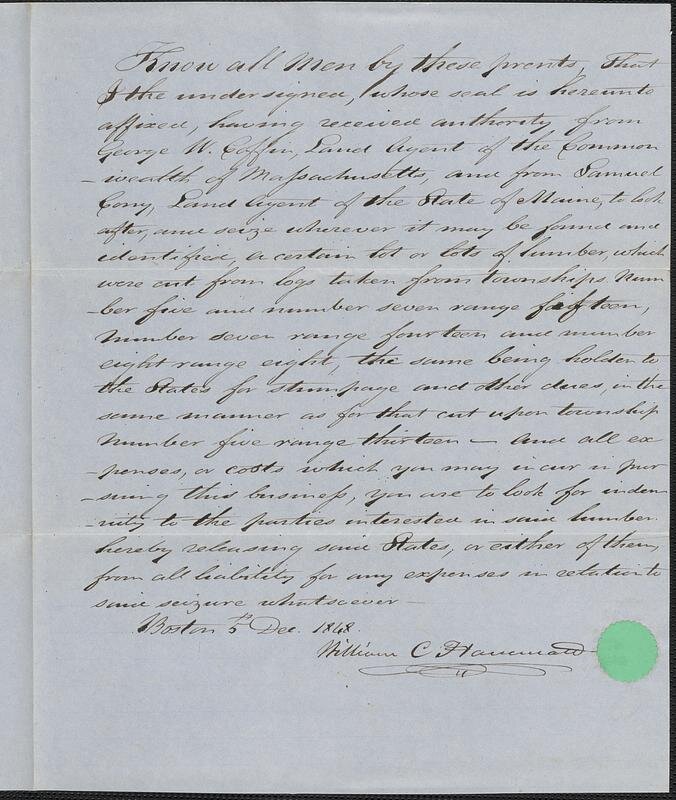
These early notaries helped create a stable legal framework. Their seals and signatures on documents gave people confidence that agreements would be honored, which was essential for the developing economy of the region, from timber and shipping to real estate.
General Duties
While the specific laws governing notaries can be detailed, their core duties are straightforward. A Notary Public's main responsibilities involve a few key acts.
| Notarial Act | Purpose |
|---|---|
| Administering Oaths & Affirmations | To have a person swear or affirm that a statement is true, often for court documents like affidavits. |
| Taking an Acknowledgment | To certify that a person willingly signed a document after their identity has been verified. |
| Witnessing a Signature | To watch a person sign a document and then certify that the signature was made in the notary's presence. |
| Certifying a Copy | To confirm that a copy of an original document is a true and accurate reproduction. |
In every one of these acts, the notary's most important job is to be impartial. They are not there to offer legal advice or to take a side in a transaction. Their only role is to follow the required procedures to verify identity and witness the act itself.
Why Notarization Matters
Notarized documents are a cornerstone of trust in our society. When you see a notary's seal on a document, it provides assurance that the signature is not forged and that the signer was not forced into the agreement. This is why so many significant life events involve a notary.
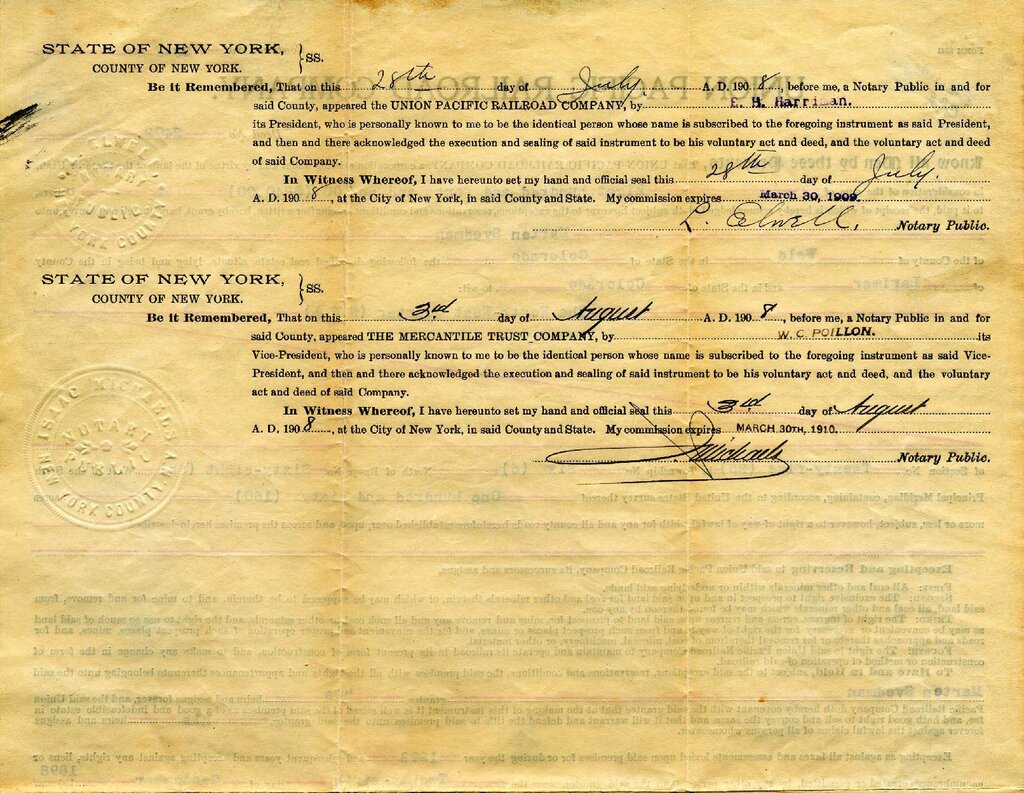
From buying a house and creating a will to establishing a power of attorney, notarial acts provide the security needed for these transactions to proceed smoothly. They help prevent legal disputes down the line by creating a reliable record of the signing.
In a world of digital transactions and potential fraud, the simple, in-person verification provided by a Notary Public is more important than ever. It ensures that critical agreements are handled with care and integrity.
Now that you understand the role of a notary, let's test your knowledge.
What is the primary role of a Notary Public?
True or False: The role of notaries in Maine only began after it officially became a state in 1820.
Understanding these foundational concepts is the first step toward appreciating the responsibilities of a Notary Public in Maine.