Becoming a Great Grandparent
Understanding Modern Grandparenting
The Changing Face of Grandparenting
Not long ago, the role of a grandparent was often clearly defined. They were the keepers of family history, the storytellers, and the respected elders who offered wisdom from a rocking chair. Grandparents typically lived nearby, providing a comforting, stable presence in a child's life, and passed down traditions from one generation to the next.
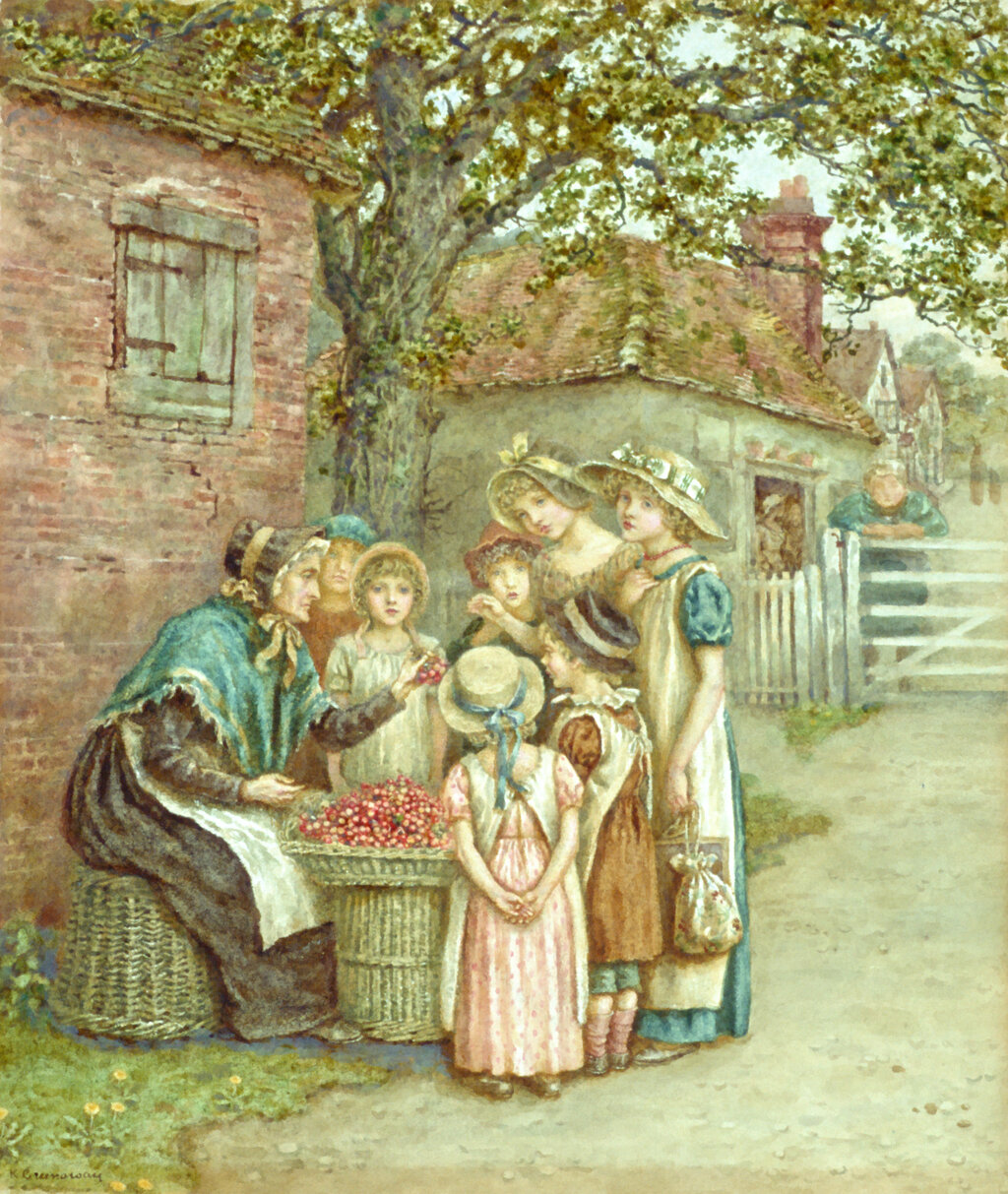
But society has shifted, and so has the family. Today, people are living longer, healthier lives. Many grandparents are still working, traveling, and pursuing their own hobbies. Families are also more geographically scattered than ever before. These changes have reshaped the traditional image of grandparenting into something far more dynamic and varied.
New Roles in Modern Families
Modern family structures have diversified significantly. Single-parent households, blended families, and multi-generational homes are common. In this new landscape, grandparents often step into roles that go far beyond occasional babysitting. They may provide regular childcare, offer financial support, or act as a crucial source of stability and emotional comfort for grandchildren navigating complex family dynamics.
In some cases, grandparents become the primary caregivers, raising their grandchildren in what are often called "grandfamilies." This is a profound shift from the more distant, formal role of the past. The modern grandparent is often an active, hands-on participant in the daily whirlwind of raising a child.
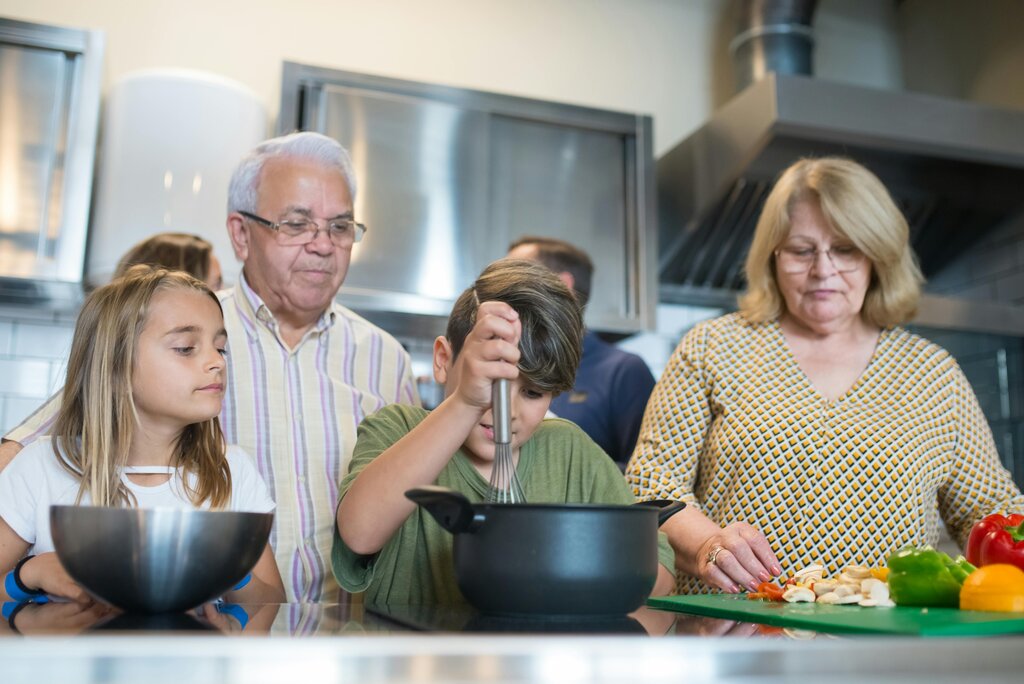
Adaptability has become the hallmark of modern grandparenting. The role is no longer one-size-fits-all; it is tailored to the unique needs of each family.
Bridging Distances with Technology
Technology has become a powerful tool for connecting generations. For families separated by long distances, video calls, messaging apps, and social media offer a lifeline. Grandparents can watch a grandchild's soccer game from across the country, read a bedtime story over a video call, or share photos and updates in an instant.
This digital connection allows for a new kind of presence. Grandparents can be involved in the small, everyday moments that build a strong bond, even if they can't be there in person.

However, technology also introduces new challenges. Navigating the digital world can be daunting, and the rapid pace of change means there's always something new to learn. A gap in digital literacy can sometimes create a barrier, making it harder to connect with tech-savvy grandkids. The key is finding a balance, using technology to enhance the relationship without letting it replace the value of personal interaction.
Technology can help older adults stay socially connected by enabling video calls, social media interactions, and participation in online communities.
The role of a grandparent has evolved from a traditional figurehead to an active, adaptable partner in raising the next generation. Understanding this shift is the first step toward building a meaningful, modern relationship with your grandchildren.