Becoming a Geopolitics Analyst
Defining Geopolitics
The Chessboard of the World
Why do some countries behave the way they do on the world stage? The answer often lies in their geography. Geopolitics is the study of how physical features like mountains, rivers, oceans, and natural resources shape a nation's political choices and its power.
Think of the world as a giant chessboard. The geography of each country, its size, its borders, and its access to the sea, defines the board itself. The political leaders are the players, but the board dictates many of their possible moves.
This is different from the study of International Relations, which often focuses on diplomacy, ideologies, and agreements. Geopolitics zooms out and looks at the foundational, almost permanent factors. A river doesn't move. A mountain range doesn't disappear. These features constrain and empower nations for centuries.
Geography as Destiny
Let's look at a classic example: Russia. Much of its western border is part of the vast North European Plain, a huge, flat expanse of land with few natural barriers. Historically, this has made Russia vulnerable to invasion from the west. This geographical reality helps explain Russia's long-standing strategic goal of controlling or influencing its neighbors to create buffer zones—a cushion of friendly or neutral territory.
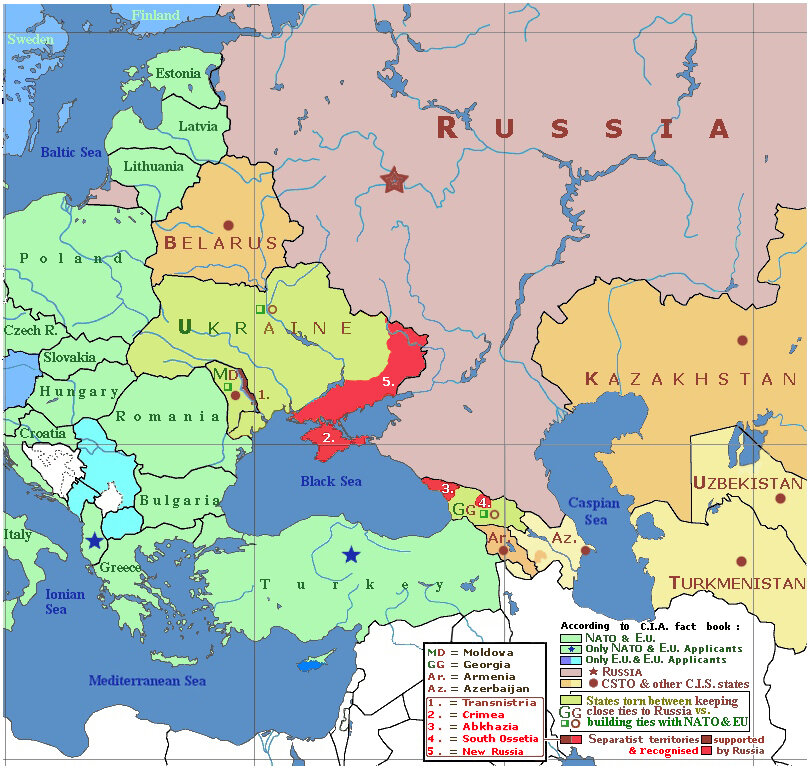
Now consider the United States. It's bordered by two vast oceans, the Atlantic and the Pacific. This has largely protected it from foreign invasion and allowed it to develop in relative isolation for much of its history. This geographical advantage helps explain why the U.S. has always focused so heavily on developing its —a strong navy to control the sea lanes and project influence far from its shores. The oceans aren't a vulnerability; they're a highway to the rest of the world.
The geopolitical analyst doesn't just ask what leaders are saying today. They ask: What does their map tell them they must do tomorrow?
Understanding these basic geographical realities is the first step. It provides a powerful lens for making sense of world events, past and present.
What is the primary focus of Geopolitics?
According to the principles of geopolitics, why has Russia historically sought to create "buffer zones" on its western border?