Become an EDM Festival DJ
Understanding EDM Genres
The DJ's Palette
Before you can paint a masterpiece on the dance floor, you need to know your colors. For a DJ, musical genres are that palette. Understanding the history, feel, and structure of different Electronic Dance Music (EDM) styles is essential. Each genre carries its own energy and story, and knowing them allows you to guide the crowd's journey.
The Four-on-the-Floor Foundation
Many of EDM's most influential genres are built on a simple, powerful rhythm: a steady kick drum on every beat. This is called a "four-on-the-floor" pattern, and it’s the heartbeat of dance music.
House is where it all began. Born in the warehouses of 1980s Chicago, it grew from disco's ashes. House music is defined by its soulful groove, often featuring uplifting vocal samples and a tempo that sits comfortably between 120 and 130 beats per minute (BPM). It’s the kind of music that makes you want to move your whole body. Think of artists like Frankie Knuckles, the "Godfather of House," or modern icons like Daft Punk who brought the sound to the masses.
From the same era but a different city, Techno emerged from Detroit. It's the darker, more industrial cousin of House. Techno is hypnotic and often minimalist, focusing on rhythm and texture over big melodies. Stripping music down to its raw, percussive elements creates a powerful, driving force. Artists like Juan Atkins and Derrick May are pioneers, while modern acts like Charlotte de Witte carry the torch.
Then there's Trance, which took the emotional core of House and turned it up to eleven. Originating in Europe in the 1990s, Trance is all about melody, emotion, and epic builds. It uses soaring synthesizer leads and long, atmospheric breakdowns that create a sense of euphoria before the beat drops back in. Its tempo is a bit faster, typically 130-140 BPM. Legends like Paul van Dyk and Armin van Buuren defined the genre.
Rhythms That Break the Mold
Not all dance music follows a steady kick drum. Some of the most exciting genres get their energy from complex, syncopated rhythms called breakbeats.
Drum and Bass (DnB) is a perfect example. Hailing from the UK's jungle scene in the '90s, DnB is fast and furious, typically running from 160-180 BPM. Its defining feature is the frantic, syncopated drum pattern paired with deep, heavy basslines. It's a high-energy genre that can feel both chaotic and incredibly precise. Goldie and Andy C are foundational figures who helped shape its sound.
Slowing things down but keeping the bass heavy, Dubstep also emerged from the UK in the early 2000s. Its tempo is usually around 140 BPM, but it feels slower because the drums often play at half-time. The genre is famous for its "drop," a moment where the music builds tension and then releases into a powerful, wobbling bassline. Artists like Skream and Benga pioneered the original, deeper sound, while producers like Skrillex brought a more aggressive version to global fame.
| Genre | Typical BPM | Mood & Feel | Origin |
|---|---|---|---|
| House | 120-130 | Groovy, soulful, uplifting | Chicago, USA |
| Techno | 125-140 | Hypnotic, industrial, driving | Detroit, USA |
| Trance | 130-140 | Euphoric, melodic, emotional | Europe |
| Drum & Bass | 160-180 | Energetic, complex, heavy | United Kingdom |
| Dubstep | 138-142 | Bass-heavy, rhythmic, dark | United Kingdom |
Genre Shapes the Experience
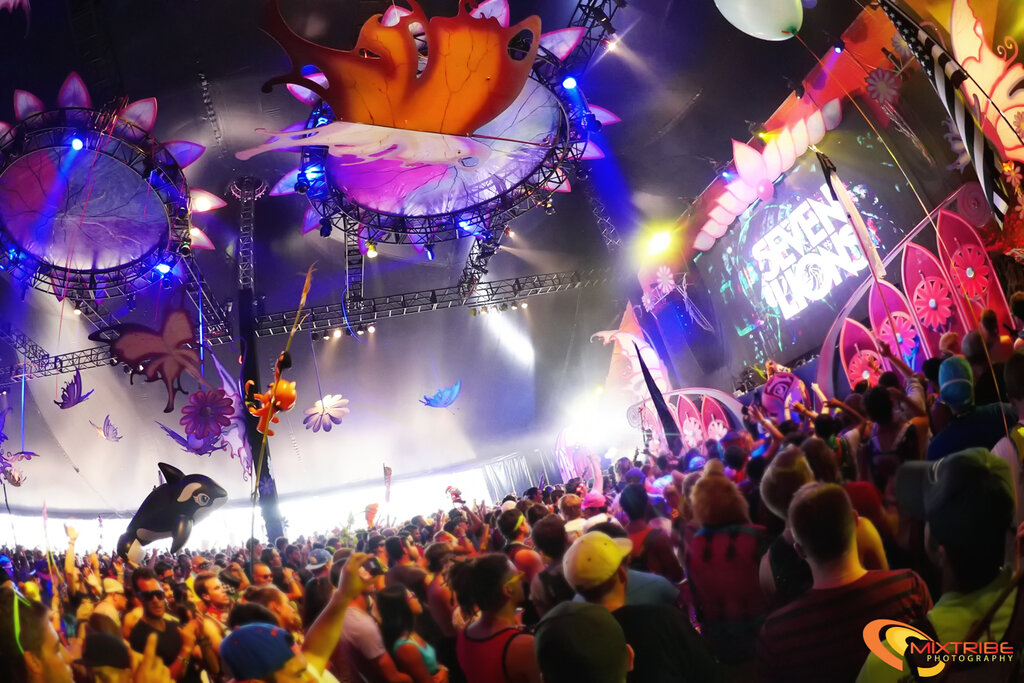
At a festival, the genre of music dictates the entire atmosphere. A daytime House set by a pool creates a relaxed, joyful vibe. People will be smiling, dancing, and socializing. In contrast, a late-night Techno set in a dark tent creates an intense, hypnotic experience where the crowd moves as one, lost in the rhythm.
A thundering Dubstep set will have the audience headbanging, feeling the physical impact of the bass. A Trance stage, with its soaring melodies and dramatic light shows, offers an emotional, almost spiritual journey. As a DJ, your genre choices are your tools for crafting these distinct moments and connecting with what the audience wants to feel.
Which city is recognized as the birthplace of House music?
A DJ is playing a set featuring soaring synthesizer melodies, long atmospheric breakdowns, and a tempo of around 135 BPM. What genre are they most likely playing?
Each genre offers a unique world of sound. The more you explore, the more versatile and creative your own DJ sets will become.