Become an AI Engineer
Introduction to AI
What Is Artificial Intelligence?
Artificial Intelligence, or AI, is a broad area of computer science focused on creating machines that can perform tasks that typically require human intelligence. This includes things like learning from experience, solving problems, understanding language, and recognizing objects in images.
Think of it this way: if traditional programming is like giving a computer a detailed recipe to follow, AI is like teaching the computer how to cook. It can then figure out its own recipes based on the ingredients it has.
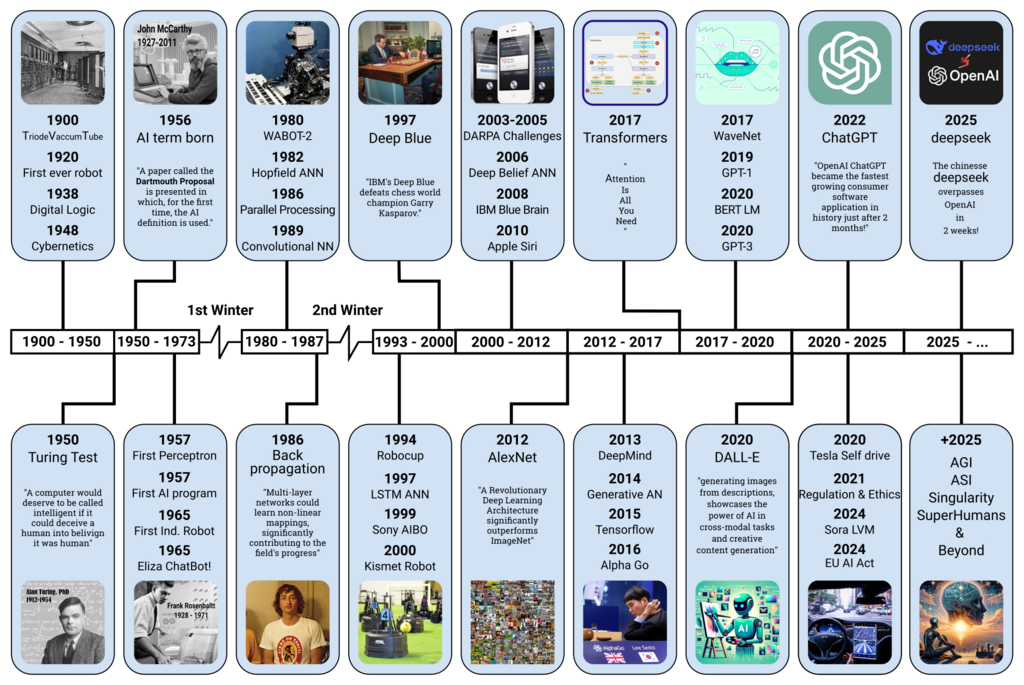
The idea of intelligent machines isn't new. Philosophers have pondered it for centuries. But the field of AI really began in the 1950s. Early researchers were optimistic, believing they could create human-like intelligence in just a few decades. Progress was slower than expected, leading to periods of reduced funding and interest known as "AI winters."
However, breakthroughs in computing power and the availability of massive amounts of data have led to the incredible progress we see today. From the earliest concepts to modern applications, AI has had a rich and complex history.
The Branches of AI
AI isn't just one single technology. It's a vast field with many specialized subfields. Understanding these branches helps clarify what AI can do. The most prominent areas are Machine Learning, Natural Language Processing, and Computer Vision.
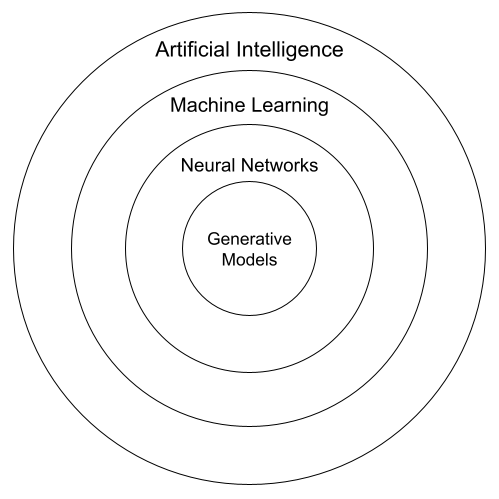
Machine Learning
noun
A subfield of AI that gives computers the ability to learn from data without being explicitly programmed. Instead of following a strict set of rules, the machine identifies patterns and makes decisions on its own.
Natural Language Processing (NLP) is another key branch. Its goal is to enable computers to understand, interpret, and generate human language. This is what powers virtual assistants like Siri and Alexa, as well as language translation apps. It bridges the gap between human communication and computer understanding.
Then there's Computer Vision. This field focuses on training computers to see and interpret the visual world. Using digital images from cameras and videos, computer vision models can identify and classify objects, and then react to what they "see." It's the technology behind facial recognition and self-driving cars.
| Subfield | Goal | Real-World Example |
|---|---|---|
| Machine Learning | Learn patterns from data to make predictions. | Recommending movies on a streaming service. |
| Natural Language Processing | Understand and respond to human language. | A chatbot answering customer service questions. |
| Computer Vision | Interpret and understand visual information. | Tagging friends automatically in photos on social media. |
AI in the Real World
AI is already a part of our daily lives and is transforming industries around the globe. Its applications are incredibly diverse, from making processes more efficient to solving complex problems.
In healthcare, AI helps doctors diagnose diseases earlier by analyzing medical images like X-rays and MRIs. It can also predict which treatments are most likely to be effective for individual patients.
The finance industry uses AI to detect fraudulent transactions in real-time and to automate trading. In entertainment, AI algorithms curate personalized playlists and recommend what you should watch next. It even helps make our communities cleaner and more efficient.
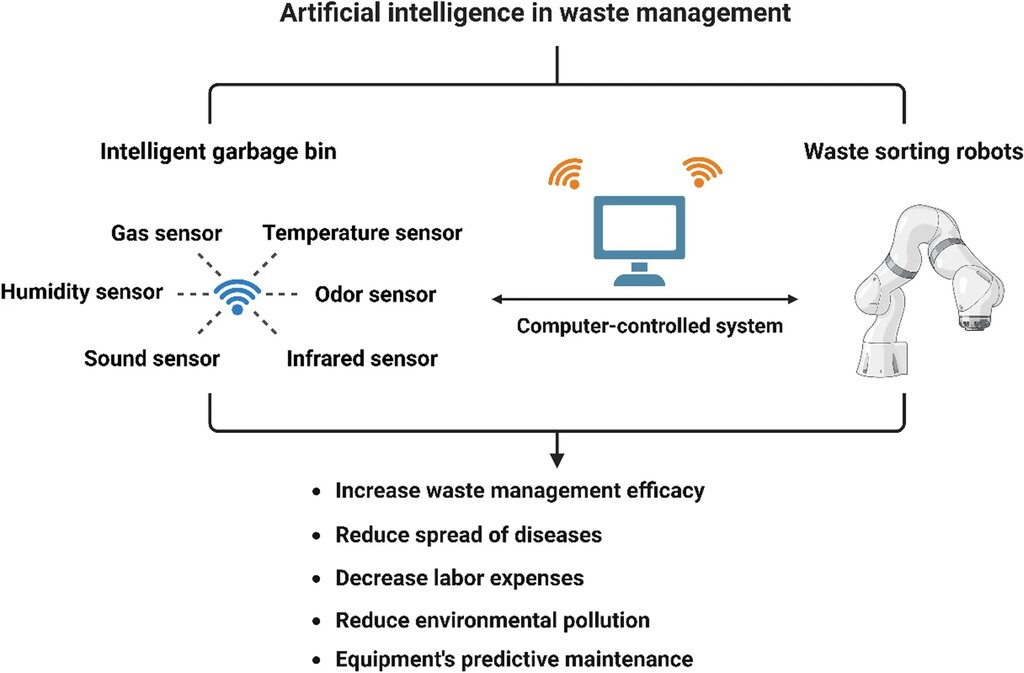
These are just a few examples. As the technology continues to evolve, AI will find its way into even more aspects of our world. Let's review the key terms we've covered.
Now, let's check your understanding of these foundational concepts.
What is the fundamental goal of Artificial Intelligence?
The history of AI research has been one of steady, uninterrupted progress since it began in the 1950s.
With a grasp of these core ideas, you're ready to explore the more specific tools and techniques that bring AI to life.