Become a Software Engineer
Introduction to Software Engineering
What Is Software Engineering?
Anyone can write a few lines of code, just like anyone can nail a few boards together to make a birdhouse. But what if you need to build a skyscraper? You can't just start hammering. You need a plan, a deep understanding of materials, and a process to make sure the structure is safe, stable, and serves its purpose. That's the difference between simple coding and software engineering.
Software engineering is a systematic, disciplined approach to designing, developing, testing, and maintaining software.
It’s not just about telling a computer what to do. It’s about solving problems in a structured way so that the final product is reliable, efficient, and easy to update. It transforms programming from a personal craft into a predictable, manageable process capable of creating complex systems we rely on daily.
A Brief History
In the early days of computing, software was often an afterthought. Programs were written by individuals in a free-form, unstructured way. This worked for simple tasks, but as computers became more powerful and ambitions grew, this approach started to fail. Projects were consistently late, over budget, and full of bugs. This period in the late 1960s became known as the "software crisis."
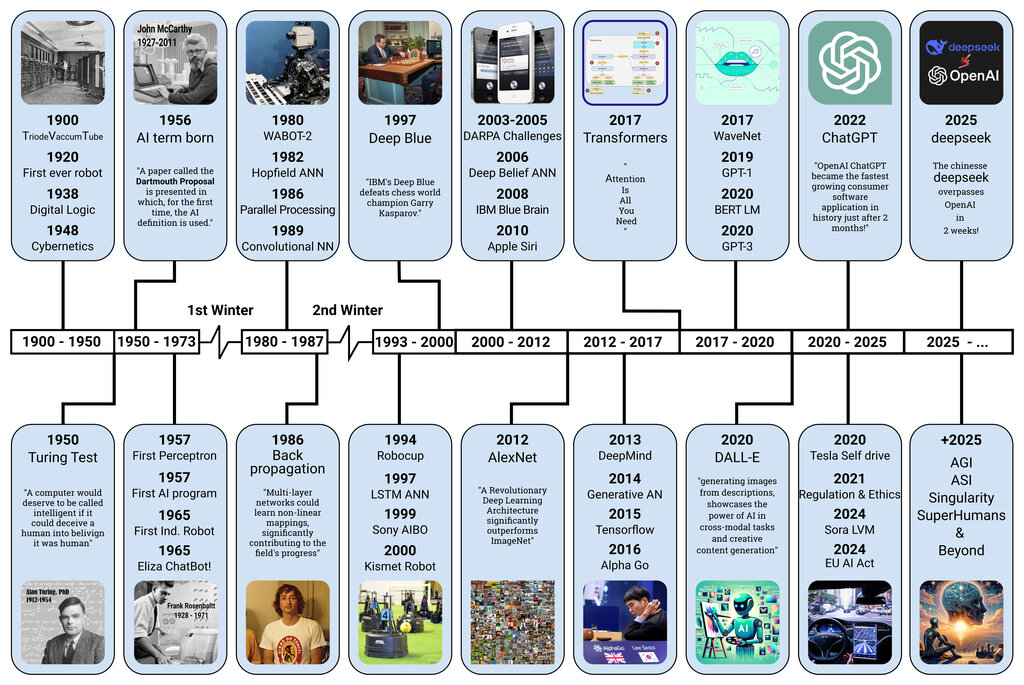
The term "software engineering" was popularized at a 1968 NATO conference held to address this very problem. The attendees concluded that building software required the same discipline and rigor as traditional engineering fields like civil or mechanical engineering. This marked a turning point, shifting the focus toward creating structured processes and methodologies for software development.
The Modern Software Engineer
So, what does a software engineer actually do? While writing code is a key part of the job, it’s only one piece of a much larger puzzle. The role is fundamentally about problem-solving. A software engineer's work spans the entire lifecycle of a product.
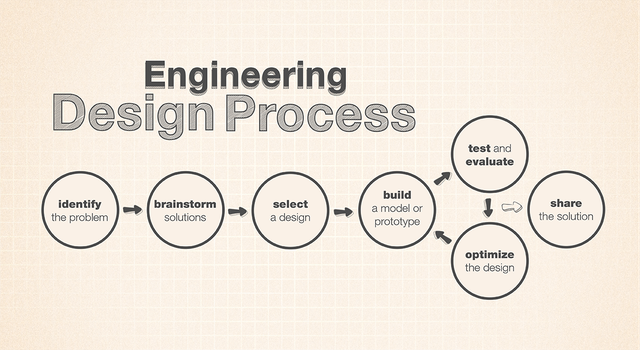
Their responsibilities typically include:
- Analyzing Needs: Talking with users or stakeholders to understand what problem the software needs to solve.
- Designing Solutions: Architecting the system, planning how different parts will work together, and choosing the right technologies.
- Developing and Testing: Writing clean, efficient code and then rigorously testing it to find and fix bugs.
- Deploying and Maintaining: Releasing the software to users and then continuing to update and improve it over time.
Software engineering is far more than writing code—it's a disciplined approach to designing, developing, testing, and maintaining software systems.
Why It Matters
Software is woven into the fabric of modern life. It runs our phones, banks, cars, and hospitals. The principles of software engineering are what make these complex systems possible and trustworthy. Without a disciplined approach, the software powering a nation's electrical grid or a banking network would be fragile and insecure.
Good engineering ensures that software is not only functional but also scalable, meaning it can handle growth, and maintainable, so it can be updated for years to come. It is the foundation that allows technology to solve bigger, more complex problems safely and reliably.