Become a SOC Analyst
Introduction to SOC
What Is a SOC?
A Security Operations Center, or SOC, is a centralized unit that deals with security issues on an organizational and technical level. Think of it as a command center for cybersecurity. Its main job is to prevent, detect, analyze, and respond to cybersecurity incidents.
A SOC serves as the nerve center of an organization's cybersecurity strategy, utilizing advanced technologies and expertise to combat evolving threats.
A well-run SOC is built on three key pillars: people, processes, and technology. The people are the skilled analysts who run the center. The processes are the defined workflows they follow for every situation, from routine monitoring to full-blown crisis management. The technology includes the software and hardware tools that help them monitor the network and neutralize threats.
The SOC Team
Not every security professional in a SOC does the same job. The work is typically divided into tiers, ensuring that alerts are handled efficiently. This structure allows the team to escalate issues from generalists to specialists as needed.
SOC Analysts: Spanning three tiers, analysts triage alerts, respond to incidents, and conduct proactive threat hunting.
Here’s how the tiers break down:
-
Tier 1 Analysts (Triage Specialists): These are the frontline responders. They continuously monitor alerts, weed out false positives, and classify the severity of real incidents. If an alert is serious enough, they escalate it to Tier 2.
-
Tier 2 Analysts (Incident Responders): These analysts take a deeper look at escalated incidents. They analyze the affected systems to understand the scope of the threat and determine the best course of action for remediation.
-
Tier 3 Analysts (Threat Hunters): These are the most experienced analysts. They handle the most critical incidents and proactively search for hidden vulnerabilities and advanced threats that automated systems might miss. They also keep up with the latest cybersecurity intelligence to anticipate future attacks.
Daily Operations
The daily workflow in a SOC is a continuous cycle of monitoring and response. It begins with the collection of data from across the organization's networks, servers, and devices. This data is fed into a security system that generates alerts when it spots suspicious activity.
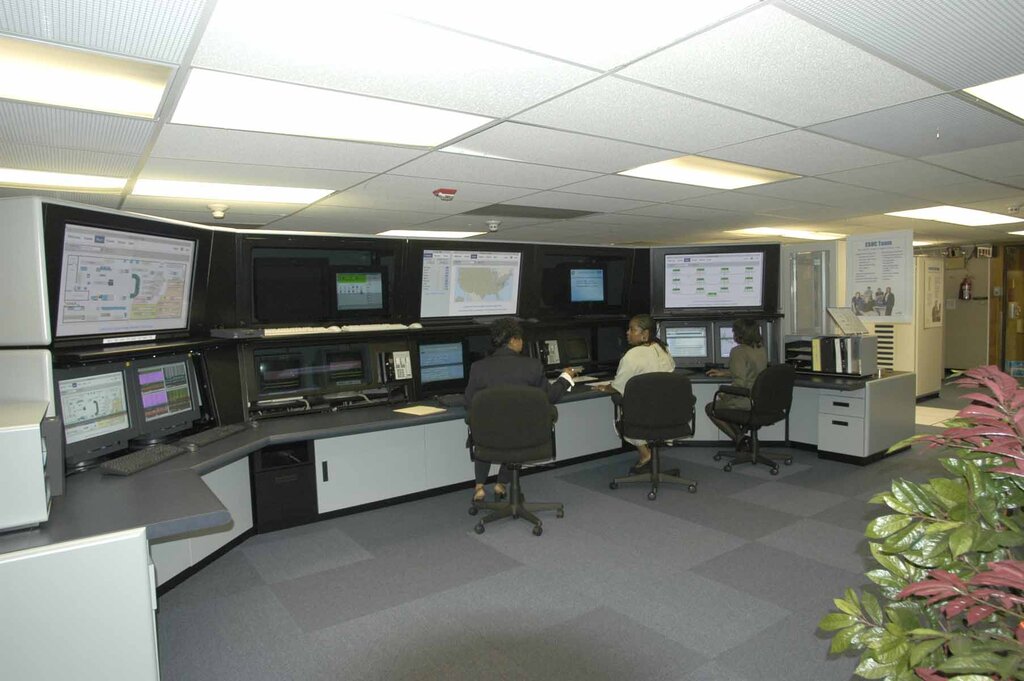
A Tier 1 analyst is the first to see an alert. They quickly investigate to see if it's a real threat or just a false alarm. If it's a genuine issue, they document their findings and pass it up to a Tier 2 analyst.
The Tier 2 analyst digs deeper, figuring out how the potential attacker got in and what they're trying to do. They coordinate the initial response to contain the threat. For the most complex and severe incidents, a Tier 3 analyst takes over to perform advanced forensic analysis and lead the effort to eradicate the threat completely.
This cycle—monitoring, detection, analysis, and response—runs 24/7 to keep an organization's data safe.
Now, let's review what you've learned about the fundamentals of a Security Operations Center.
What is the primary function of a Security Operations Center (SOC)?
A well-run SOC is built on which three key pillars?
By understanding the structure and function of a SOC, you can see how organizations build a formidable defense against a constantly evolving landscape of digital threats.