Become a New York Notary Public
Introduction to Notary Public
The Official Witness
A Notary Public is an official appointed by state government to serve as an impartial witness in the signing of important documents. Their primary job is to deter fraud. They do this by verifying the identity of the people signing a document, ensuring they are signing without coercion, and confirming their awareness of the document's contents.
Think of a Notary as a trusted third party, whose main purpose is to add a layer of certainty to a transaction.
When a Notary Public officiates a signing, they complete it with their own signature and a seal or stamp. This act, called notarization, shows that the signer's identity has been verified and that the signing process followed legal requirements. It doesn't mean the Notary agrees with the document or vouches for its accuracy, only that the signature is authentic and was made willingly.

A Long History of Trust
The role of a notary is one of the oldest in legal history, with roots reaching back to the Roman Empire. In ancient Rome, "notarii" were public scribes who recorded official proceedings, drafted legal documents, and kept public records. They were respected for their literacy and skill in a time when few people could read or write.
This tradition of a public official creating a reliable record continued through the centuries. The core function of providing a trustworthy, impartial witness has remained remarkably consistent. The tools have changed from quills to rubber stamps, but the fundamental responsibility to ensure authenticity has not.
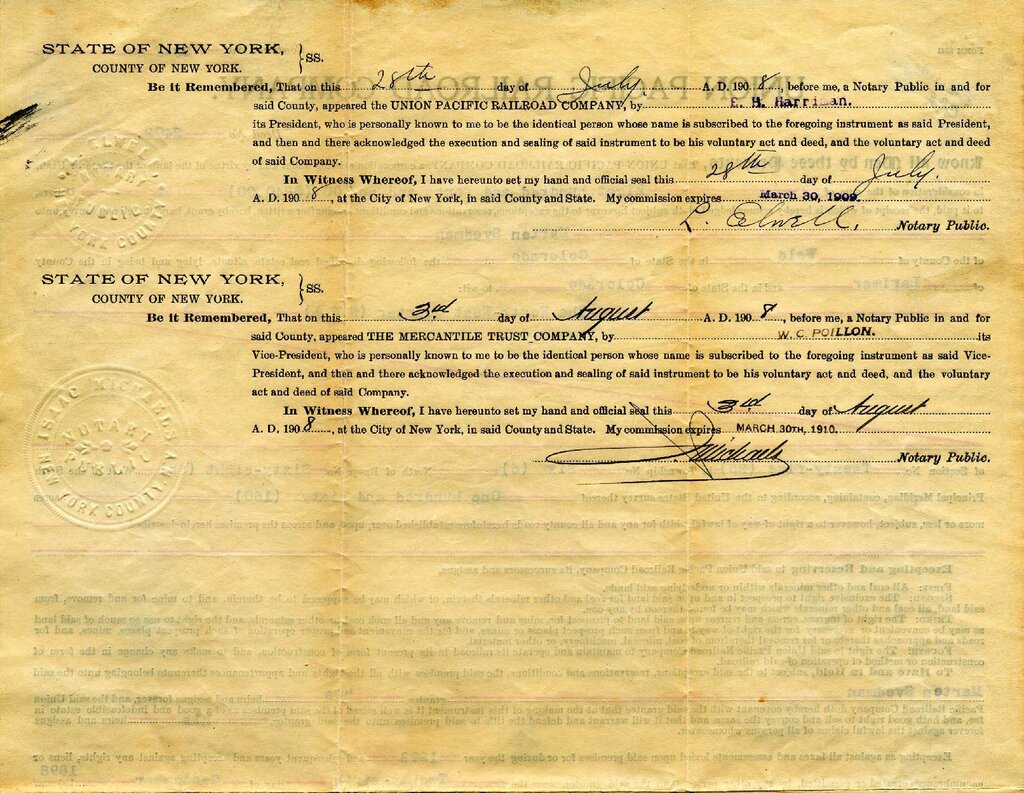
Why Notarization Matters
In our daily lives, notarization is crucial for many of life's biggest moments. Think about buying a home, drafting a will, or giving someone power of attorney to make decisions on your behalf. These are significant legal and business transactions that rely on the authenticity of signatures.
Without notarization, it would be much easier for someone to forge a signature on a deed to steal property, or to create a fake power of attorney to access someone's bank account. The notarial act provides a powerful deterrent to this kind of fraud. A notarized document carries more weight because an official has confirmed the identity and intent of the signer.
This process is especially important for documents that will be filed with a court or government agency, as it assures the agency of the document's integrity.
A Foundation of Ethics
Because they play such a vital role in preventing fraud, Notaries Public are held to high ethical standards. Their duty is to the public and the integrity of the transaction, not to the person who is paying their fee. This means they must remain impartial and cannot notarize a document if they have a personal interest in the transaction.
Impartiality
noun
The quality of being unbiased and fair, without personal interest in the outcome of a transaction.
A Notary must never offer legal advice or explain the contents of a document to a signer, as that would cross the line into the practice of law. Their role is strictly to witness and verify. This professional conduct builds the public's trust, which is the cornerstone of the entire notarial system.