Become a Master Chocolatier
Cocoa Origins
The Food of the Gods
Long before it became a sweet treat, chocolate began as a humble bean from the Theobroma cacao tree. The name itself, given by Swedish botanist Carl Linnaeus, means “food of the gods” in Greek. This tree first grew in the upper Amazon basin and was domesticated thousands of years ago in Central and South America.
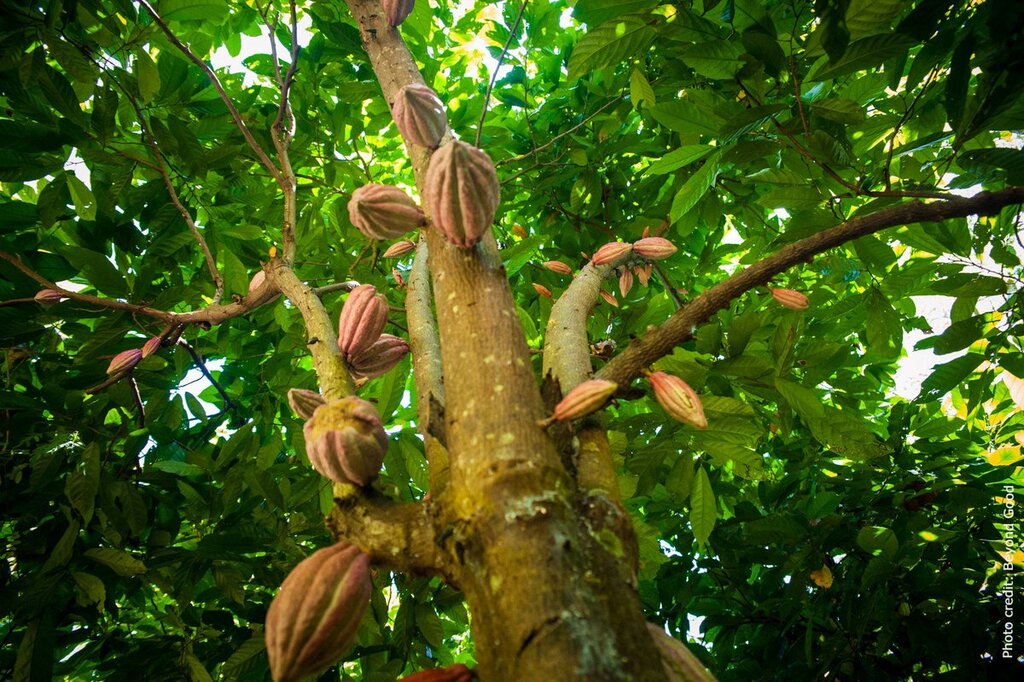
Ancient Mesoamerican civilizations, including the Olmec, Maya, and Aztecs, were the first to cultivate cocoa. They didn't eat it in solid bars; instead, they ground the beans into a paste, mixed it with water, chili peppers, and cornmeal, and frothed it into a bitter, invigorating drink. This beverage was central to their cultures, used in religious ceremonies and important events. For the Aztecs, cocoa beans were so valuable they were used as currency. You could trade a handful of beans for a rabbit or a turkey.
From the Americas to the World
For centuries, cocoa was a secret of the Americas. After Spanish explorers encountered it in the 16th century, they brought the beans back to Europe. Initially, the bitter drink was met with skepticism, but once mixed with sugar or honey, it became a luxurious favorite among the Spanish nobility. From there, its popularity spread across the continent.
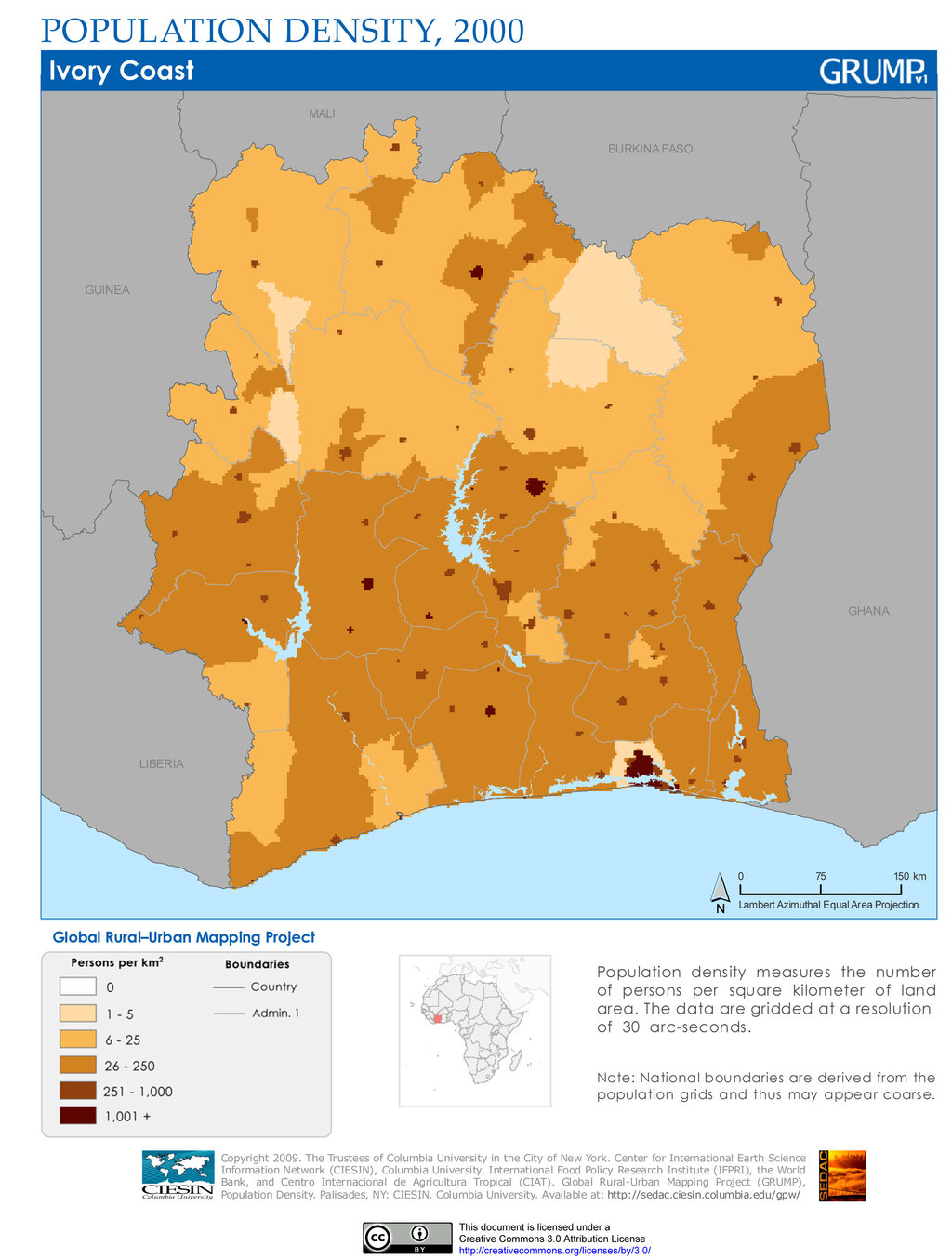
Today, cocoa is grown in a narrow band around the equator, often called the “Cocoa Belt.” While it originated in Latin America, West Africa now dominates production, with countries like Ivory Coast and Ghana leading the world. Other significant producers are found in Southeast Asia and back in its native Latin America.
Not All Beans Are Equal
Just as there are different types of grapes for wine, there are different varieties of cocoa beans, each with its own unique flavor profile. The three main types are Criollo, Forastero, and Trinitario.
Criollo is the rarest and most prized variety. Its beans have a complex, delicate flavor with fruity and spicy notes and are less bitter than other types. It's susceptible to disease, making it difficult and expensive to grow.
Forastero is the workhorse of the cocoa world, accounting for over 80% of global production. It's a much hardier plant and produces higher yields. Its flavor is strong, straightforward, and what most people associate with classic chocolate.
Trinitario is a natural hybrid of Criollo and Forastero. It originated in Trinidad and combines the best of both worlds: the hardiness of Forastero and the nuanced flavors of Criollo.
Most chocolate bars are made from a blend of beans, with chocolatiers carefully selecting varieties to create a specific taste. High-end, single-origin chocolates often feature Criollo or Trinitario beans to showcase their unique flavors.
| Variety | Flavor Profile | World Production |
|---|---|---|
| Criollo | Complex, aromatic, low bitterness | <5% |
| Forastero | Strong, robust, classic chocolate flavor | ~80-90% |
| Trinitario | Rich, complex, well-balanced | ~10-15% |
Now that you've got a handle on the history and types of cocoa, let's review what we've learned.
Ready to test your knowledge?
The name Theobroma cacao, given by botanist Carl Linnaeus, means “food of the gods” in which language?
How did ancient Mesoamerican civilizations, such as the Maya and Aztecs, primarily consume cocoa?
Understanding where cocoa comes from provides a deep appreciation for the journey it takes from a simple bean to the chocolate we enjoy today. It's a story of geography, history, and culture, all packed into one of the world's favorite foods.