Become a Digital Content Creator
Understanding Digital Platforms
Choosing Your Stage
Every digital platform is like a different room at a huge party. One room has people looking for quick, funny conversations. Another is full of people wanting to see beautiful art. A third is for deep, thoughtful discussions. As a content creator, your first job is to find the right room for your message. Posting your content on the wrong platform is like trying to give a serious lecture in the middle of a dance floor. It just won't land.
Success isn't just about what you create; it's about where you share it. Each platform has its own audience, its own rules, and its own personality. Understanding these differences is the key to connecting with people and getting your message heard.
A Tour of the Platforms
Let's walk through some of the main stages where you can perform. While there's a lot of overlap, each one has a distinct flavor and audience expectation. Knowing the general landscape helps you pick a starting point.
| Platform | Primary Audience | Content Focus | Best For... |
|---|---|---|---|
| YouTube | Broad (Gen Z to Boomers) | Video (short & long) | In-depth tutorials, entertainment, reviews |
| Millennials & Gen Z | High-quality visuals | Lifestyle, art, product showcases, brand building | |
| TikTok | Gen Z & Young Millennials | Short, trendy videos | Entertainment, humor, viral trends, quick tips |
| Blogs | Niche-specific | Written articles, images | Expert opinions, detailed guides, SEO traffic |
This table gives a bird's-eye view, but the details are what matter. For example, a user goes to YouTube to search for a solution to a problem, like how to fix a leaky faucet. They go to TikTok to be entertained by content the algorithm thinks they'll like. Someone scrolling Instagram is often looking for inspiration or a quick visual update from people they follow. And a person reading a blog post likely clicked a link to get a deep, authoritative answer to a specific question.
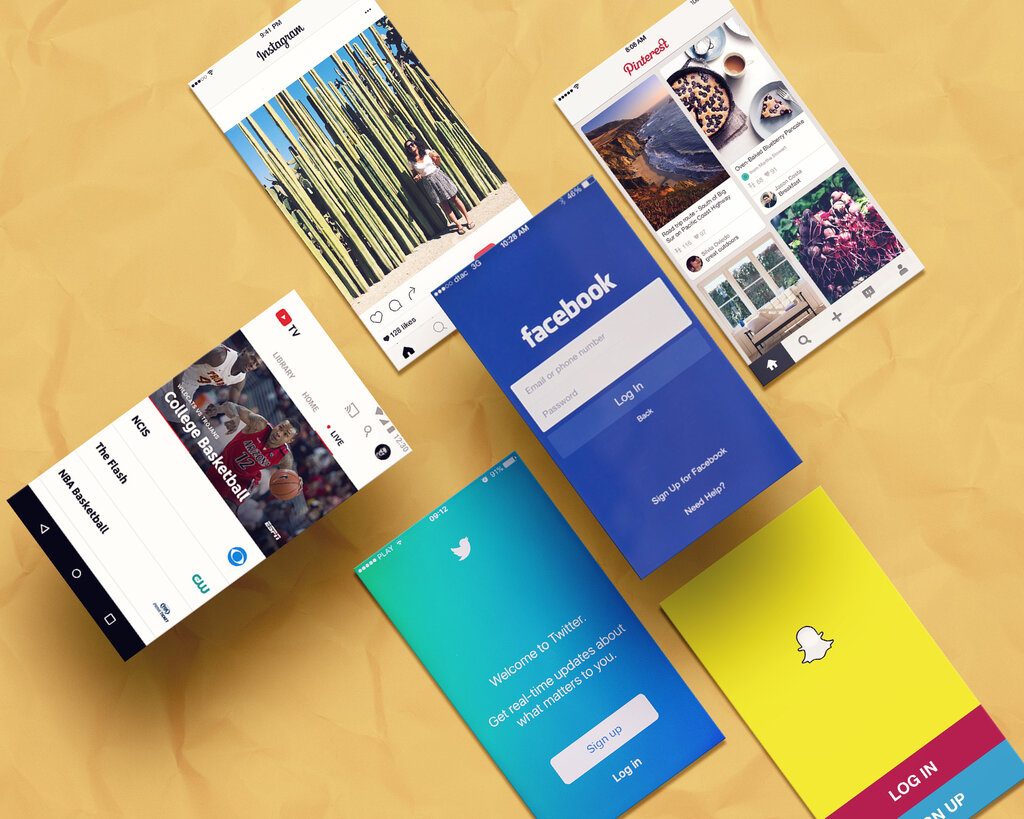
These different user behaviors are crucial. On TikTok, you have seconds to grab attention. On YouTube, viewers might settle in for a 20-minute documentary. On a blog, readers are willing to scan through thousands of words if the information is valuable. Your content format must match the user's mindset on that platform.
Each platform has its own audience and expectations, so it’s important to tailor your content while keeping your core brand consistent.
The Algorithm Is the Gatekeeper
Behind every platform is an algorithm, a complex set of rules that decides what content gets shown to users. Think of it as the platform's brain. It constantly analyzes user behavior—what they like, share, comment on, and how long they watch or read something. The goal is always to keep the user on the platform for as long as possible.
To succeed, you need to create content that the algorithm wants to promote. This doesn't mean tricking the system. It means understanding what the platform values.
- TikTok's algorithm loves high engagement in the first few hours. It pushes content that gets a flurry of likes, comments, and shares, and it prioritizes videos that people watch all the way through.
- YouTube's algorithm prioritizes watch time and click-through rate. It wants to recommend videos that people will not only click on but also watch for a significant duration.
- Instagram's algorithm looks at relationships. It shows you content from accounts you interact with the most, along with popular posts (Reels) it thinks you'll enjoy based on your past activity.
- Blog visibility is largely governed by search engine algorithms like Google's. This algorithm values high-quality, authoritative, and well-structured content that clearly answers a searcher's query.
Working with the algorithm means aligning your content with the platform's goals. If a platform wants to keep users engaged, your job is to create engaging content. It's a partnership.
By choosing a platform that fits your style and then creating content tailored to its audience and algorithm, you set yourself up for success. You're not just shouting into the void; you're speaking the right language in the right room.
The passage compares different digital platforms to "different rooms at a huge party." What is the main idea behind this analogy?
A user wants to find a detailed, step-by-step guide on how to build a bookshelf. Based on the user mindsets described, which platform are they most likely to use for this purpose?