Become a Design Engineer
Introduction to Design Engineering
What Is Design Engineering?
Design engineering is the creative process of turning an idea into a tangible product or system. It's the bridge between imagination and reality. Engineers in this field don't just solve problems, they define them first. They figure out what needs to be made, why it's needed, and how it can be built effectively.
This isn't a chaotic burst of inspiration. It's a systematic journey with a clear structure, known as the engineering design process. This process provides a reliable roadmap for innovation, ensuring that solutions are well-thought-out, tested, and ready for the real world.
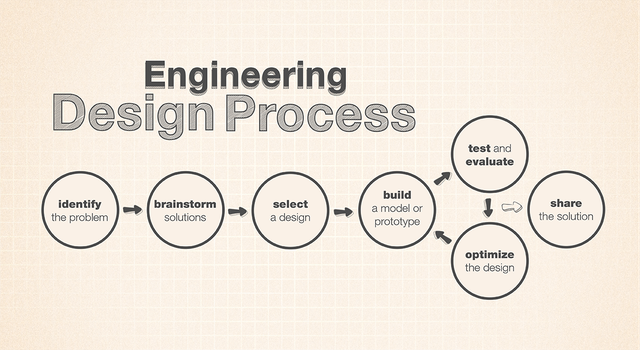
The Design Process in Stages
While different models exist, the design process generally flows through three main stages. Each stage has a distinct purpose, moving an idea from a rough concept to a finished product.
- Conceptualization: This is the 'what if' phase. It starts with identifying a problem or a need. Engineers brainstorm a wide range of potential solutions, sketch rough ideas, and define the project's goals and constraints. The aim isn't to find the perfect answer yet, but to explore all the possibilities.
- Development: Here, ideas start to take shape. The most promising concepts from the first stage are refined into detailed plans. This involves creating precise drawings, selecting materials, and analyzing how the design will perform. Often, engineers build prototypes or models to test their assumptions and uncover potential flaws before moving forward.
- Realization: This is where the design comes to life. The detailed plans are used to manufacture the final product. But the job isn't done. The product is rigorously tested to ensure it meets all the requirements. Based on testing, the design might be refined further in an iterative loop until it's ready for users.
Systematic Creativity
Creativity in design engineering isn't about waiting for a lightning bolt of inspiration. It's a disciplined and methodical approach to innovation. Engineers work within real-world constraints like budget, time, and the laws of physics. Their creativity lies in finding novel solutions within that framework.
Think of it like a poet writing a sonnet. The strict rules of rhyme and meter don't stifle creativity, they challenge the poet to be more inventive with their words. Similarly, engineering constraints push designers to think more cleverly and efficiently to create elegant solutions.
Engineering is a field that combines science, mathematics, and creativity to solve real-world problems.
Managing the Design
A great idea is only as good as its execution. This is where management principles become essential in design engineering. Every project needs a solid plan to guide it from start to finish.
Project management ensures that the team stays on schedule, sticks to the budget, and meets all the technical requirements. It involves organizing tasks, coordinating between different team members (like designers, testers, and manufacturers), and making critical decisions along the way. Without strong management, even the most brilliant design can fail due to poor planning or communication.
Now, let's test your understanding of these core concepts.
What is the primary role of the engineering design process?
According to the text, a design engineer's creativity is most similar to which of the following?
Design engineering provides a structured yet creative path for turning abstract ideas into the products and systems we use every day.