Become a Data Engineer Through Tasks
Introduction to Data Engineering
The Backbone of Data
Most modern companies run on data. It helps them understand customers, improve products, and make smarter decisions. But that data doesn't just appear in a neat, usable form. It's often messy, scattered across different systems, and hard to make sense of. This is where data engineering comes in.
Data engineering is the backbone of any modern data-driven organization.
Think of data engineers as the architects and plumbers of the data world. They design and build the systems that collect, store, and move data so it's ready for others to use. Without their work, data scientists and analysts wouldn't have the reliable, clean material they need to find valuable insights.
What a Data Engineer Does
A data engineer's main job is to create and maintain the pathways that data travels through. These pathways are often called data pipelines. A pipeline takes raw data from its source, cleans it up, and delivers it to a central storage system, like a data warehouse.
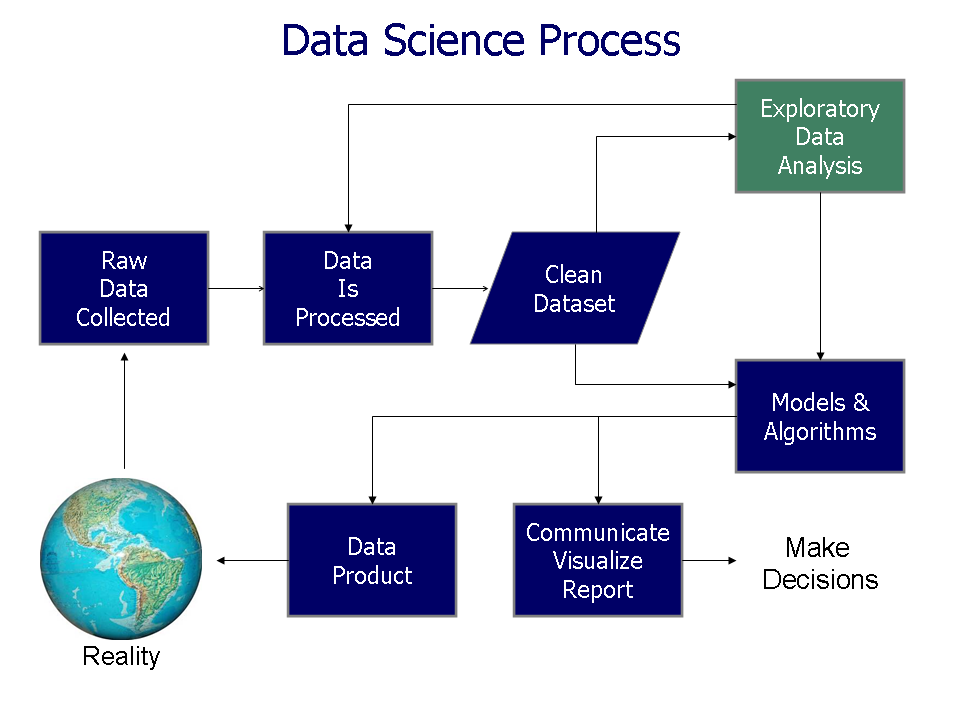
This involves several key tasks:
-
Data Integration: Businesses collect data from many places—social media, sales records, customer support logs, and mobile apps. Data integration is the process of bringing all this varied data together into one place.
-
Data Transformation: Raw data is rarely perfect. It might have missing values, inconsistent formats, or errors. Transformation is the process of cleaning, structuring, and enriching this data to make it consistent and useful. This is a critical step to ensure the data is reliable.
For example, a transformation step might involve converting all dates to a single format (like YYYY-MM-DD) or ensuring all state names are abbreviated consistently (e.g., changing 'California' to 'CA').
Keeping Data Trustworthy
A data engineer's work is grounded in two crucial principles: data quality and data governance.
Data quality ensures that the data is accurate, complete, and consistent. Poor quality data leads to flawed analysis and bad business decisions. It's the old saying: garbage in, garbage out. Engineers build checks and validation steps into their pipelines to catch and fix issues early.
Data governance refers to the overall management of data in an organization. It includes the policies, roles, and standards for how data is collected, stored, used, and protected. Data engineers help implement governance by ensuring data is secure, access is properly controlled, and privacy regulations are followed.
The Data Team
Data engineers don't work in isolation. They are a core part of a larger data team and work closely with data analysts and data scientists.
An easy way to think about the different roles is with a kitchen analogy. Data engineers build the kitchen: they install the plumbing, set up the ovens, and stock the pantry with high-quality ingredients. Data scientists are the creative chefs who use those ingredients to invent new recipes (models). Data analysts are like food critics who analyze which dishes are selling well and tell the restaurant what customers want.
Each role is distinct, but they all depend on each other to create a successful, data-driven organization.
| Role | Primary Focus |
|---|---|
| Data Engineer | Builds and maintains the data infrastructure and pipelines. |
| Data Analyst | Examines data to find actionable insights and answer business questions. |
| Data Scientist | Uses advanced statistical and machine learning techniques to make predictions. |
Now that you understand the fundamentals of what data engineering is, let's test your knowledge.
What is the primary responsibility of a data engineer?
The process of combining data from multiple different sources, like social media, sales records, and mobile apps, into a single, unified view is known as:
By building the foundation for reliable data, engineers empower everyone in an organization to make better, more informed decisions.