Become a Data Analyst
Introduction to Data Analysis
Turning Data into Decisions
Every day, we create a staggering amount of data. From the shows we stream to the groceries we buy, every action leaves a digital footprint. But all this information is just noise until we make sense of it. That's where data analysis comes in. It's the process of cleaning, changing, and modeling data to discover useful information for making better decisions.
Think of a data analyst as a detective. They sift through clues (data) to solve a mystery, like why sales dropped last month or which marketing campaign is most effective.
By analyzing data, companies can understand their customers better, scientists can find new medical treatments, and city planners can improve traffic flow. It's a powerful tool for turning raw facts into actionable insights. Without it, we’re just guessing.
Four Flavors of Analysis
Data analysis isn't a one-size-fits-all process. Depending on the question you're trying to answer, you'll use a different approach. These methods build on each other, moving from simple summaries of the past to complex predictions about the future. There are four main types.
Descriptive Analysis
adjective
Summarizes past data to explain what has happened.
This is the most common type of analysis. It looks at historical data to give you a clear picture of past events. A coffee shop owner might use it to see how many lattes they sold each day last month. It answers the question, “What happened?”
Diagnostic Analysis
adjective
Examines data to understand the root cause of an event.
This takes descriptive analysis a step further. After seeing that latte sales went up, the coffee shop owner might dig deeper to figure out why. Did a new promotion work? Was it colder than usual? This type of analysis answers, “Why did it happen?”
Predictive Analysis
adjective
Uses historical data to forecast future outcomes.
Here, we use past trends to make educated guesses about the future. The coffee shop could use its sales data to predict how many lattes it will sell next week. This helps with planning, like making sure enough milk is in stock. It answers, “What is likely to happen?”
Prescriptive Analysis
adjective
Recommends actions to take to affect desired outcomes.
This is the most advanced type. It doesn't just predict the future; it suggests what to do about it. The coffee shop's system might recommend offering a discount on pastries with lattes on cold days to maximize profit. It answers the question, “What should we do about it?”
| Analysis Type | Question It Answers | Example |
|---|---|---|
| Descriptive | What happened? | A dashboard showing last month's website traffic. |
| Diagnostic | Why did it happen? | Finding out a blog post went viral, causing a traffic spike. |
| Predictive | What will happen? | Forecasting next month's website traffic based on past trends. |
| Prescriptive | What should we do? | Recommending specific keywords to target to increase future traffic. |
The Data Analysis Journey
Getting from raw data to a smart decision follows a general path. While the specific tools and techniques can change, the core steps are fairly consistent. It's an iterative cycle, meaning you might revisit earlier steps as you learn more.
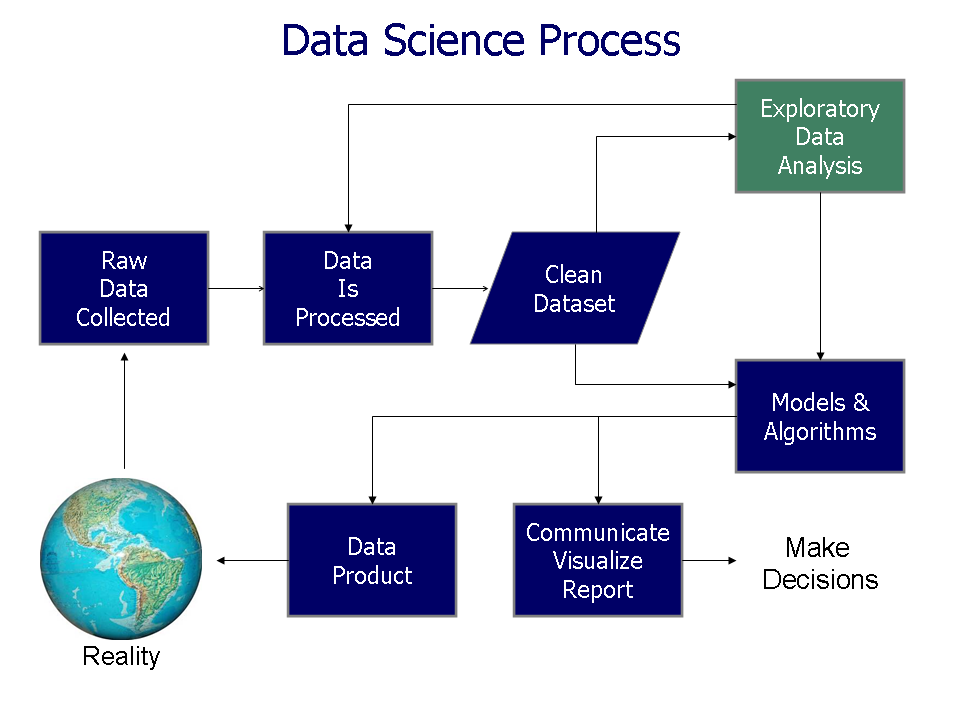
The process generally includes:
-
Collecting Data: First, you need information. This could come from surveys, sales records, website clicks, or sensors.
-
Cleaning Data: Raw data is often messy. It might have errors, missing values, or inconsistencies. This step involves tidying it up so it's ready for analysis.
-
Analyzing Data: This is where you explore the data. You look for patterns, trends, and relationships using one of the four types of analysis we discussed.
-
Interpreting and Sharing Results: Finally, you turn your findings into a story. This often involves creating charts or reports to communicate what you’ve learned to others so they can make informed decisions.
Now, let's check your understanding of these core concepts.
What is the primary purpose of data analysis?
A city planning department uses historical traffic data to forecast congestion patterns for an upcoming holiday weekend. This is an example of what type of analysis?
Understanding these fundamentals is the first step toward using data to answer important questions and guide smart choices.