Become a Barber in the USA
Introduction to Barbering
The Enduring Craft of Barbering
Barbering is one of the world's oldest professions. Evidence suggests that rudimentary razors made from flint or oyster shells were used as far back as the Bronze Age. In ancient cultures, barbers were not just hairstylists; they were respected figures who often performed religious ceremonies, such as shaving the heads of priests.
For many centuries, the role of the barber was intertwined with medicine. From the Middle Ages until the 18th century, so-called barber-surgeons performed a range of services, from pulling teeth and bloodletting to minor surgeries. The iconic red, white, and blue barber pole is a legacy of this era. The red symbolized blood, white represented bandages, and blue is thought to have been added in America to reflect the national colors.
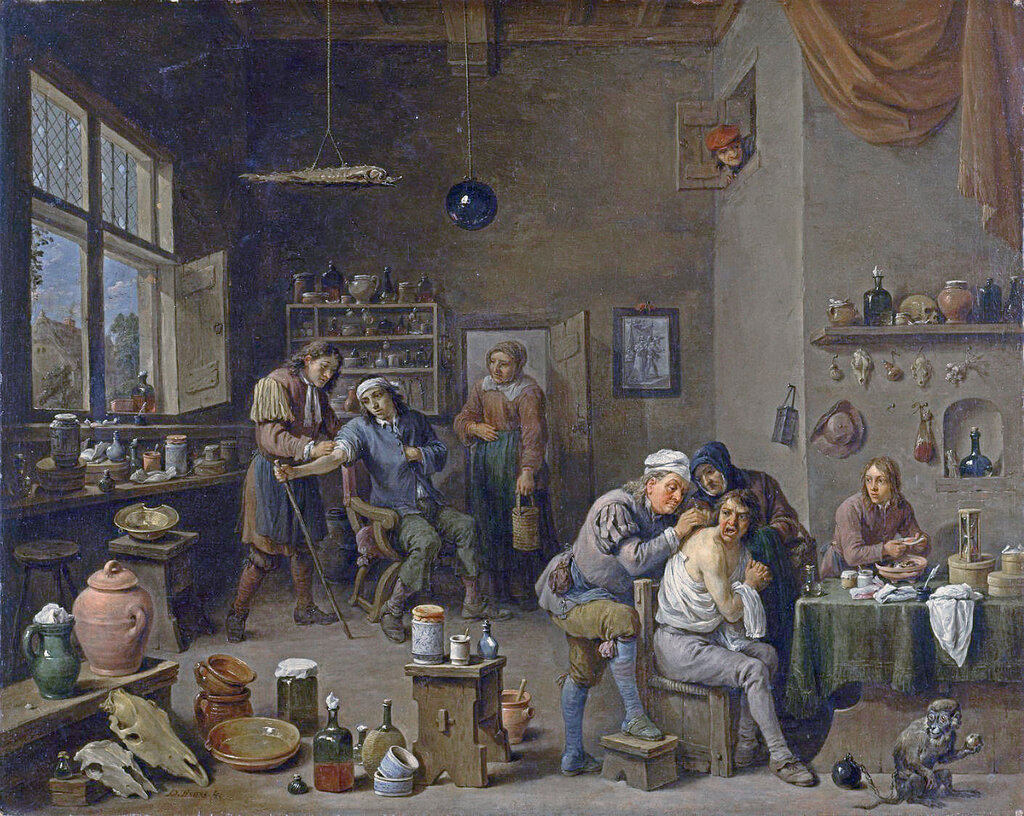
While barbers no longer practice surgery, their role as skilled professionals and community cornerstones remains.
More Than Just a Haircut
Today's barber is a specialist in hair and facial hair for a diverse clientele. Their responsibilities go far beyond simply operating a pair of clippers. A great barber is a consultant, an artist, and a trusted confidant.
Barber
noun
A person whose trade is cutting hair and shaving or trimming beards.
A typical day involves consulting with clients to understand their desired look, recommending styles that suit their face shape and hair type, and executing precise cuts. Barbershops often become social hubs—places where people can relax, talk, and build relationships. This makes strong interpersonal skills just as important as technical ability.
The barbershop is a community center. It's a place where people find connection and leave feeling more confident than when they arrived.
Furthermore, barbers are responsible for maintaining a safe and sanitary environment. This involves sterilizing tools, keeping the workspace clean, and understanding health regulations to protect both themselves and their clients.
Essential Skills and Services
Mastering the craft of barbering requires a diverse skill set. Barbers must be proficient with a variety of tools, including scissors, clippers, straight razors, and combs. Each tool has a specific purpose and requires practice to use effectively and safely.
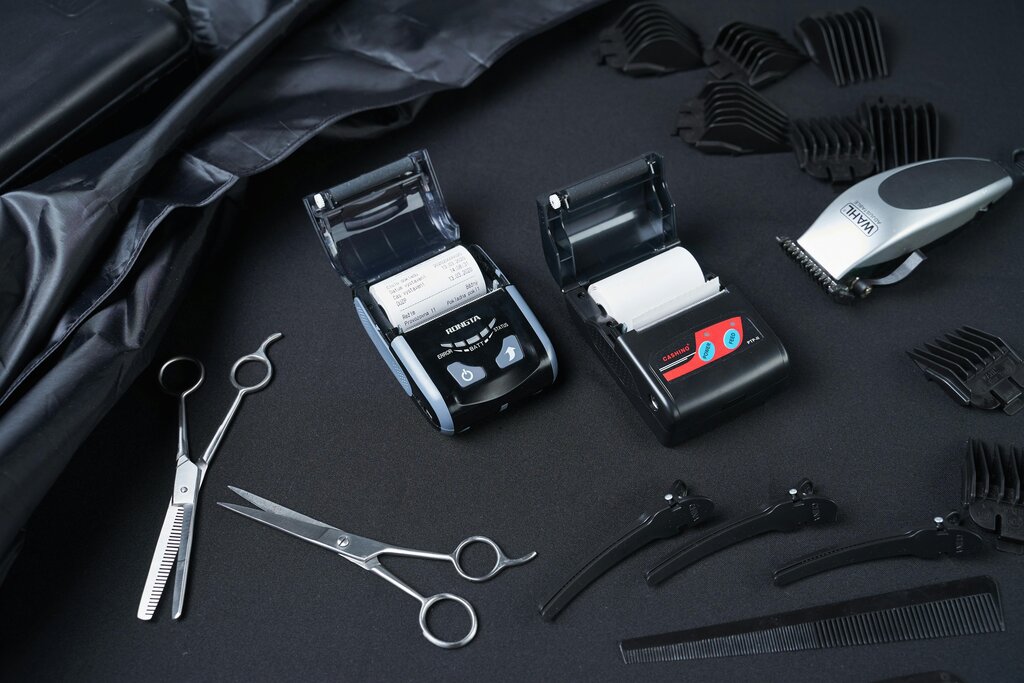
These skills are applied across a range of services that form the core of the barbering business.
| Service | Description |
|---|---|
| Haircutting | Using techniques like scissor-over-comb and clipper work to create various styles. |
| Fading & Tapering | Blending hair from one length to another, often creating a smooth transition down to the skin. |
| Beard & Mustache Grooming | Shaping, trimming, and conditioning facial hair to enhance a client's features. |
| Straight Razor Shaves | Providing a close, clean shave on the face or head using a traditional straight razor. |
| Styling | Applying products and using tools to finish a look, from classic pompadours to modern textures. |
The Makings of a Great Barber
Technical skill is the foundation of barbering, but certain personal and professional qualities elevate a good barber to a great one. These attributes ensure clients not only get a great haircut but also have an excellent experience.
Attention to Detail: Precision is key. A great barber notices the smallest details, ensuring every line is clean and every hair is in place.
Communication Skills: Listening to a client's needs and clearly explaining options is crucial for customer satisfaction. Building rapport makes clients feel comfortable and valued.
Creativity: While many clients want traditional cuts, a barber's artistic sense helps them suggest new styles and adapt to changing trends.
Steady Hands: Working with sharp tools near a person's head and face requires dexterity and a calm, steady hand.
Hygiene: A commitment to cleanliness is non-negotiable. Proper sanitation protects everyone and shows a high level of professionalism.
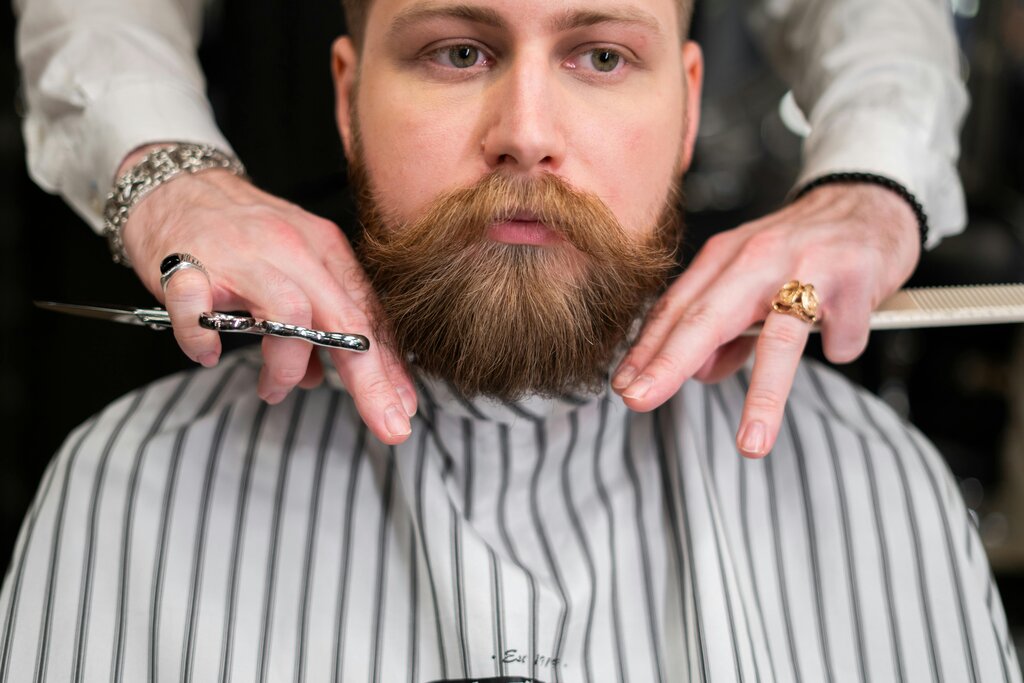
These qualities, combined with a passion for the craft, are what allow barbers to build a loyal clientele and have a long, successful career.
During the Middle Ages, individuals known as barber-surgeons performed a variety of services. Which of the following was one of their responsibilities?
What does the red stripe on the iconic barber pole traditionally represent?