BBQ Outfitters Competitive Analysis
Understanding Competitive Analysis
Understanding the Playing Field
No business operates in a vacuum. Around you are other companies, all competing for the same customers. Competitive analysis is simply the process of identifying these competitors and evaluating their strategies to determine their strengths and weaknesses in relation to your own business.
The goal isn't to copy what others are doing. It's to understand the competitive landscape so you can find a unique space to thrive.
By looking closely at your rivals, you can spot opportunities you might have missed and identify potential threats before they become problems. This process helps you make smarter, more informed decisions about everything from product development to pricing.
Key Frameworks for Analysis
To give your analysis structure, you can use established frameworks. One of the most common is the SWOT analysis. It’s a simple but powerful tool for sizing up a company—including your own.
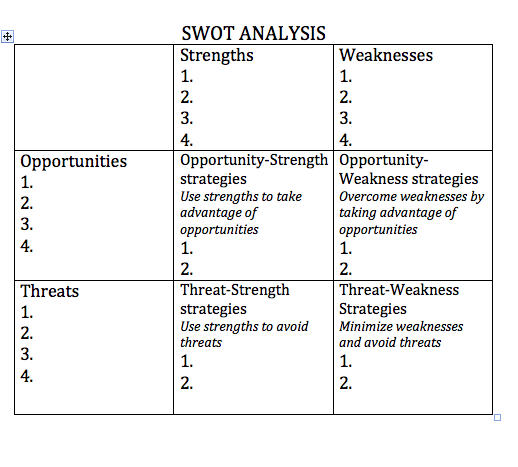
SWOT stands for:
- Strengths: What does your competitor do well? Do they have a strong brand, loyal customers, or a unique technology?
- Weaknesses: Where are they falling short? Perhaps they have poor customer service, high prices, or a limited product line.
- Opportunities: What market trends could they take advantage of? This could be a new technology or a growing customer segment.
- Threats: What external factors could harm their business? This might include new regulations, a changing economy, or a new competitor entering the market.
Beyond SWOT, it's critical to understand a competitor's market positioning. This is the distinct image or identity they've carved out in the mind of the consumer. Are they the low-cost option, the luxury choice, or the most innovative player? Their positioning influences their entire strategy. Closely related to this is their value proposition.
Value Proposition
noun
The unique promise of value to be delivered to customers. It's the primary reason a prospect should buy from you over a competitor.
A clear value proposition answers the customer's question: "Why should I buy from you?" Analyzing a competitor's value proposition helps you see how you can differentiate your own offerings.
Gathering Competitive Data
So, how do you find this information? You don't need a detective's license. Much of it is publicly available. Start by identifying your direct competitors (those who sell a similar product to your target audience) and indirect competitors (those who solve the same problem with a different solution).
Once you have your list, you can:
- Explore their website: How do they talk about their products? What features do they highlight? Is their messaging clear?
- Analyze their pricing: How do their prices compare to yours? Do they offer discounts or different pricing tiers?
- Read customer reviews: What do customers love about them? What do they complain about? Sites like Yelp, Google, and industry-specific forums are gold mines of information.
- Check their social media: How do they engage with their audience? What kind of content do they post?
Organizing this information in a simple table can make it easy to compare and contrast.
| Feature | Your Company | Competitor A | Competitor B |
|---|---|---|---|
| Price | $99 | $120 | $85 |
| Key Feature | Customizable | Faster Speed | Basic, low-cost |
| Target Audience | Small Businesses | Enterprises | Hobbyists |
| Reviews (Avg) | 4.5 Stars | 4.2 Stars | 4.8 Stars |
Turning Analysis into Action
The final step is to interpret the data you've collected and use it to make strategic decisions. Your competitive analysis should reveal gaps in the market or areas where your competitors are weak. These are your opportunities.
For example, if you find that all your competitors have poor customer service, you can make exceptional service your key differentiator.
If a competitor has a feature that customers love, consider how you might develop a similar or even better version. If their pricing is much lower, you need to justify why your product is worth more. This process isn't about becoming reactive or constantly chasing your rivals. It's about understanding the environment so you can carve out your own path to success with confidence.
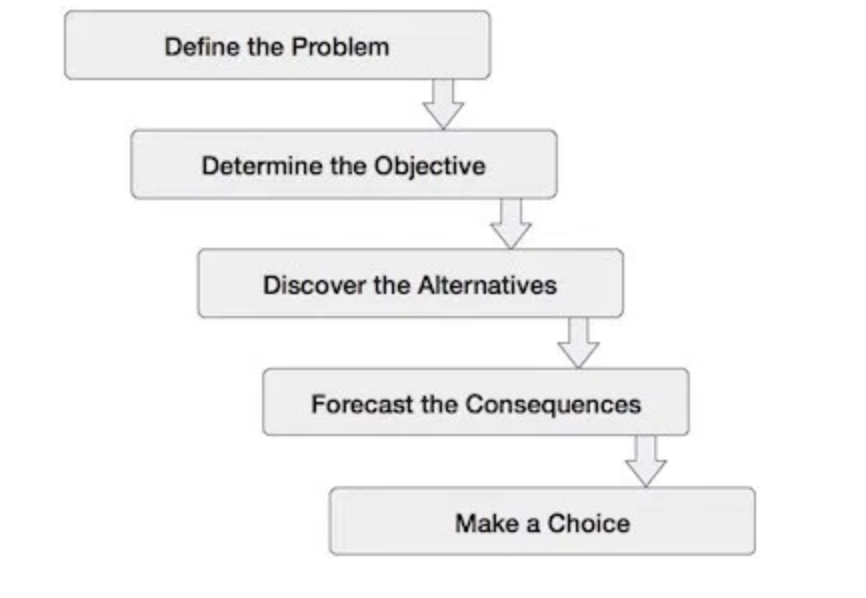
Regularly analyzing the competition helps you stay agile and adapt to market changes. It’s not a one-time task but an ongoing part of a healthy business strategy.