BBA Training and Development Course Outline
Introduction to Training and Development
What Are Training and Development?
Though often used together, training and development aren't the same. They are two distinct, but related, ideas. Think of it like this: training is about giving someone a fish, while development is about teaching them how to fish.
Training
noun
The process of teaching employees the specific skills, knowledge, or behaviors they need to perform their current job effectively.
Training focuses on the now. It's practical and targeted. When a company onboards a new salesperson, it trains them on the product and the sales software. The goal is immediate competency. The impact is measurable and direct.
Development
noun
A broader process of growth that prepares employees for future responsibilities and career advancement through education, experience, and assessment.
Development looks to the future. It's about building a person’s capacity for the long term. That same salesperson might be enrolled in a leadership development program. This program isn't about closing a deal tomorrow; it's about preparing them to lead a sales team in two years.
Why Bother?
Investing in employees is one of the smartest things an organization can do. Well-designed training programs boost performance and productivity. When people know how to do their jobs well, they are more efficient and make fewer mistakes.
But the benefits go deeper. Development opportunities show employees that the company values them and sees a future for them. This improves morale and job satisfaction, which makes people more likely to stick around. It's a powerful tool for retaining talent.
Effective training and development programs help organizations adapt. In a world of fast-changing technology and markets, a skilled workforce is a competitive advantage.
Ultimately, the goals of training and development are tied directly to the goals of the business. A better-skilled, more motivated workforce leads to better results.
A Quick Look Back
Workplace training is hardly a new idea. For centuries, skills were passed down through apprenticeships. A young blacksmith learned his trade by working alongside a master, absorbing knowledge through observation and practice.
The Industrial Revolution changed everything. Factories needed large numbers of workers to perform specific, repetitive tasks. This led to the creation of formal, structured training programs designed to bring new hires up to speed quickly.
Over the 20th century, training became more sophisticated. World War II spurred the development of systematic training methods to prepare soldiers and factory workers for their roles. Later, as business became more complex, the focus expanded beyond simple job skills to include areas like management, communication, and teamwork.
Learning and Development Today
Today, most forward-thinking companies have a dedicated Learning and Development (L&D) function. The role of L&D is strategic. It's not just about running workshops; it's about building a culture of continuous learning that aligns with the company's long-term vision.
Modern L&D teams are focused on closing skills gaps, fostering innovation, and preparing the workforce for the future. They manage everything from online courses and mentorship programs to leadership coaching and career pathing. They are the architects of an organization's human potential.
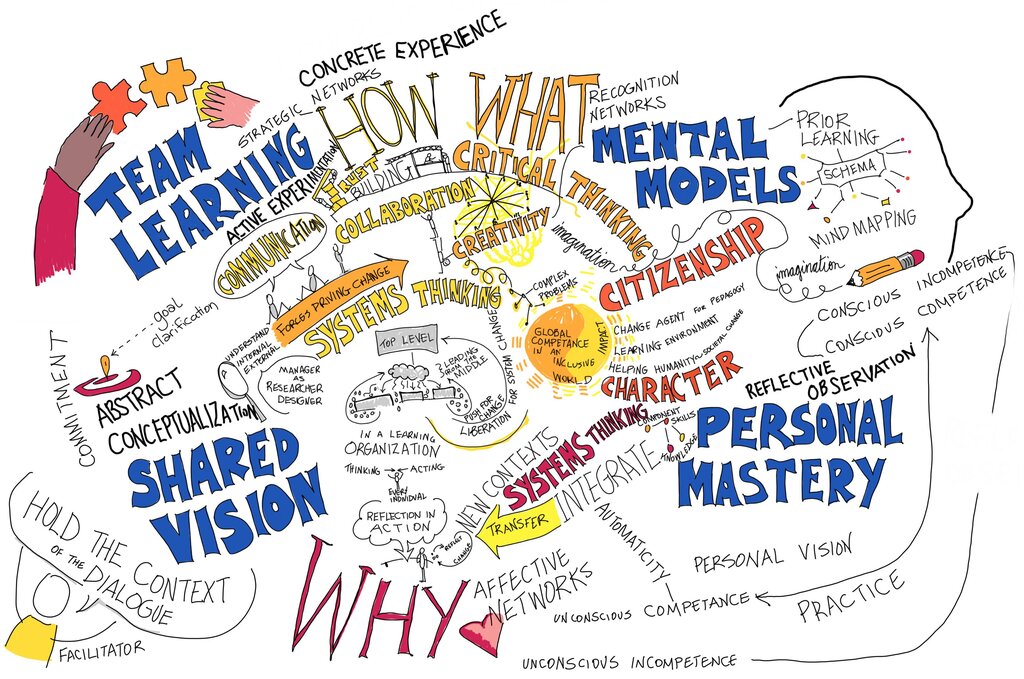
In a competitive business environment, the ability to learn and adapt is crucial. Organizations that invest in developing their people are better equipped to handle challenges, seize opportunities, and ultimately, succeed.
Let's review the key ideas we've covered.
Ready to check your understanding?
What is the primary distinction between workplace training and development?
According to the text, a company that provides leadership coaching to a sales associate to prepare them for a future management role is investing in that employee's _______.
Understanding the foundations of training and development is the first step in seeing how organizations build and maintain a talented, capable workforce.