Battery Instability Factors
Battery Basics
Energy in a Can
At its core, a battery is a self-contained device that stores chemical energy and converts it into electrical energy on demand. Think of it like a tiny, portable power plant. Instead of burning fuel, it uses chemical reactions to create a flow of electrons. This flow is what we call electricity.
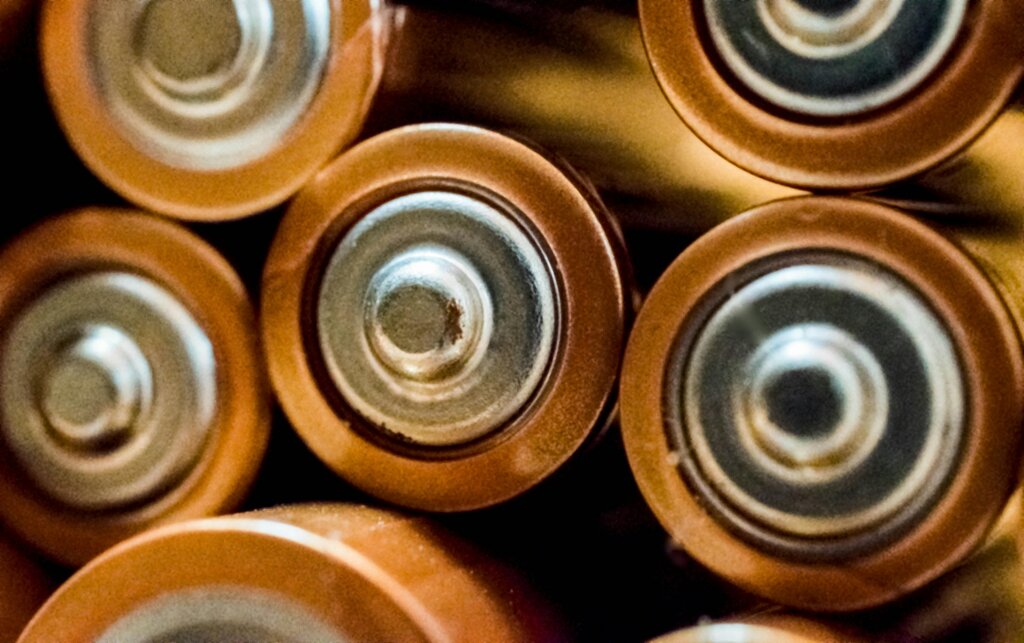
When you connect a battery to a device, like a flashlight or a remote control, you complete an electrical circuit. This allows the stored chemical energy to be released as a steady stream of electrical power, making the device work.
Inside the Battery
Every battery, from the one in your car to the one in your watch, has three essential parts: the anode, the cathode, and the electrolyte.
Anode (-): The negative electrode. It releases electrons into the external circuit. Cathode (+): The positive electrode. It accepts electrons from the external circuit. Electrolyte: A chemical substance that separates the anode and cathode and allows charged atoms, called ions, to pass through it.
The anode and cathode are the battery's terminals. The electrolyte is the crucial medium in between. It's often a liquid or a gel, and its special property is that it lets ions move back and forth, but it blocks electrons. This blockage is key. It forces the electrons to travel through the external circuit you provide, which is how they power your devices.
The Chemical Reaction
So what makes the electrons move? A pair of chemical reactions called an electrochemical reaction.
When a circuit is completed, a chemical reaction at the anode releases electrons. This is called oxidation. At the same time, another reaction happens at the cathode that consumes those electrons. This is called reduction.
This two-part process—oxidation at the anode and reduction at the cathode—is what pushes electrons through the wire from the negative terminal to the positive one. Inside the battery, ions flow through the electrolyte to balance the charge and keep the reactions going. Once the chemical material in the anode or cathode is used up, the battery can no longer produce electricity.
Electrolyte
noun
A substance that produces an electrically conducting solution when dissolved in a polar solvent, such as water. The dissolved electrolyte separates into cations and anions, which disperse uniformly through the solvent.
This fundamental process is the basis for all batteries, powering everything from our smallest gadgets to our largest vehicles.