Bathroom Maintenance Essentials
Understanding Bathroom Surfaces
Know Your Surfaces
Your bathroom is made of more than just walls and a floor. Sinks, showers, tiles, and countertops are all built from different materials, and each one has its own personality. Understanding these materials is the first step to keeping your bathroom looking great for years. Using the wrong cleaner on the wrong surface can cause permanent damage, turning a quick wipe-down into a costly repair.
Ceramic and Porcelain
Ceramic and porcelain are the workhorses of the bathroom. You’ll find them in tiles, toilets, and sinks. Both are made from clay fired in a kiln, but there are key differences.
Ceramic is typically made from a coarser clay and fired at a lower temperature. It's often finished with a durable glaze that gives it color and protection. This glaze is your first line of defense, but if it gets chipped or cracked, the more porous ceramic underneath can absorb water and stain.
Porcelain is a type of ceramic, but it’s made from a finer, denser clay and fired at much higher temperatures. This process makes porcelain tougher, less porous, and more resistant to water and stains than standard ceramic. It's an excellent choice for high-traffic areas like bathroom floors.
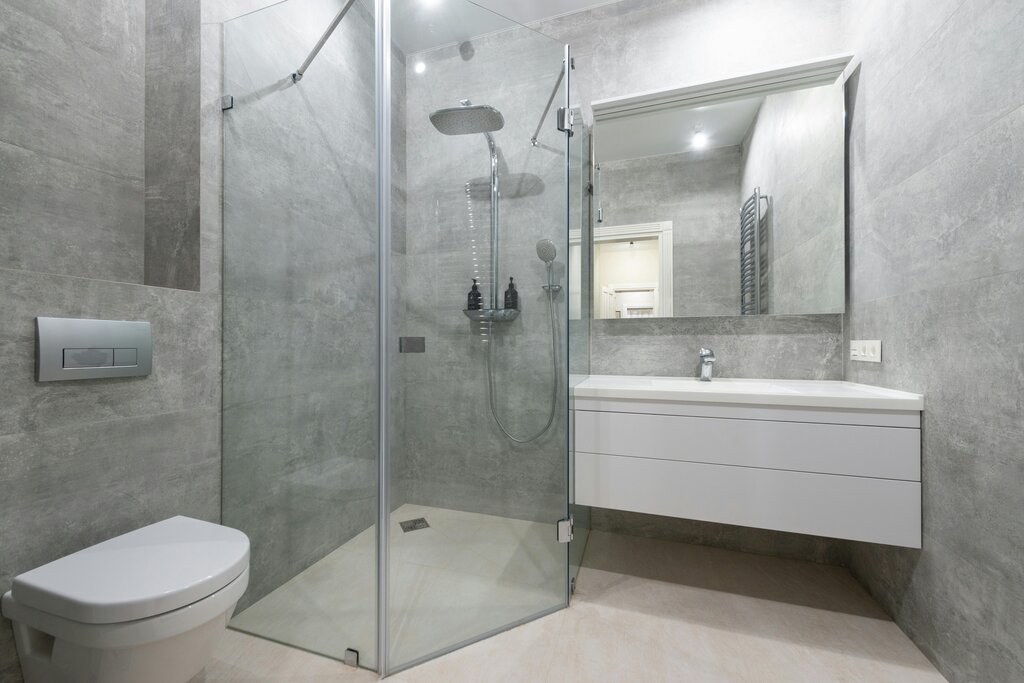
Natural Stone
Natural stone brings a touch of luxury to a bathroom, but it requires special care. Materials like marble, granite, and travertine are beautiful but have unique vulnerabilities because they are porous.
Marble is known for its elegant veining, but it’s a relatively soft stone. Its biggest weakness is its sensitivity to acids. Common household products like vinegar, lemon juice, or harsh chemical cleaners can etch the surface, leaving dull spots. It also stains easily.
Granite is harder and more durable than marble, making it more resistant to scratches. However, it's still porous and needs to be sealed regularly to prevent liquids from seeping in and causing stains.
All natural stones can be damaged by abrasive scrubbers or acidic cleaners. The key is to know what kind of stone you have and treat it gently.
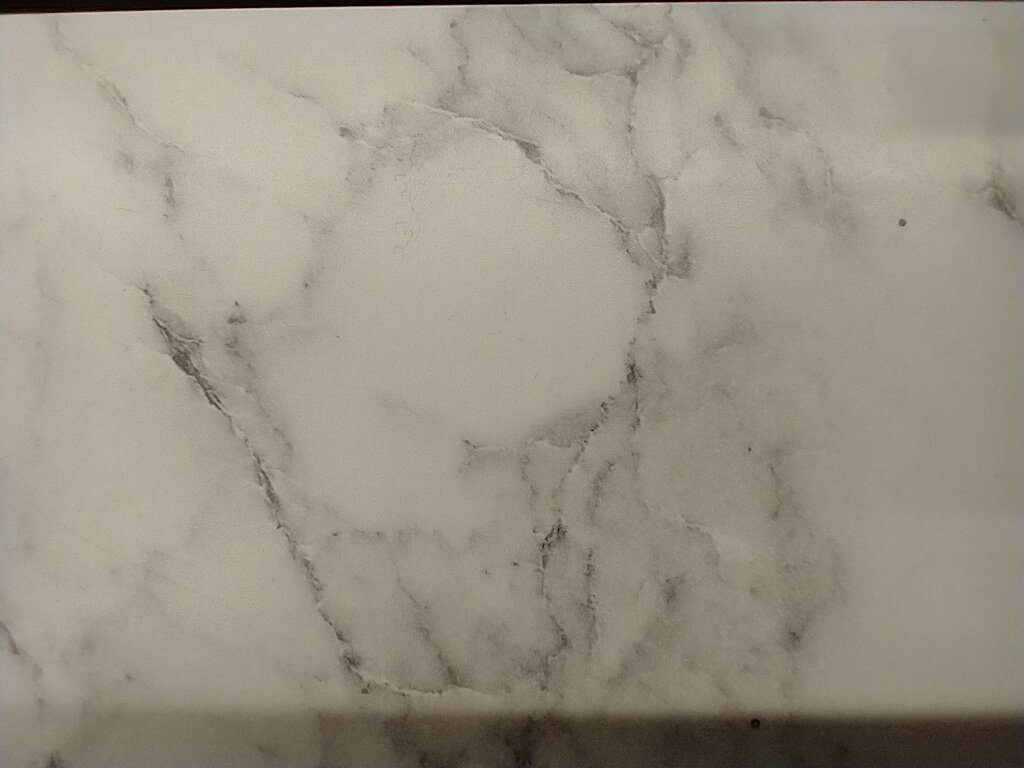
Glass and Engineered Stone
Glass is a staple in modern bathrooms, especially for shower doors and shelves. Its smooth, non-porous surface makes it easy to clean, but it's prone to soap scum and hard water spots, which are mineral deposits left behind when water evaporates. Using abrasive cleaners or rough sponges can easily scratch the surface, creating a cloudy appearance.
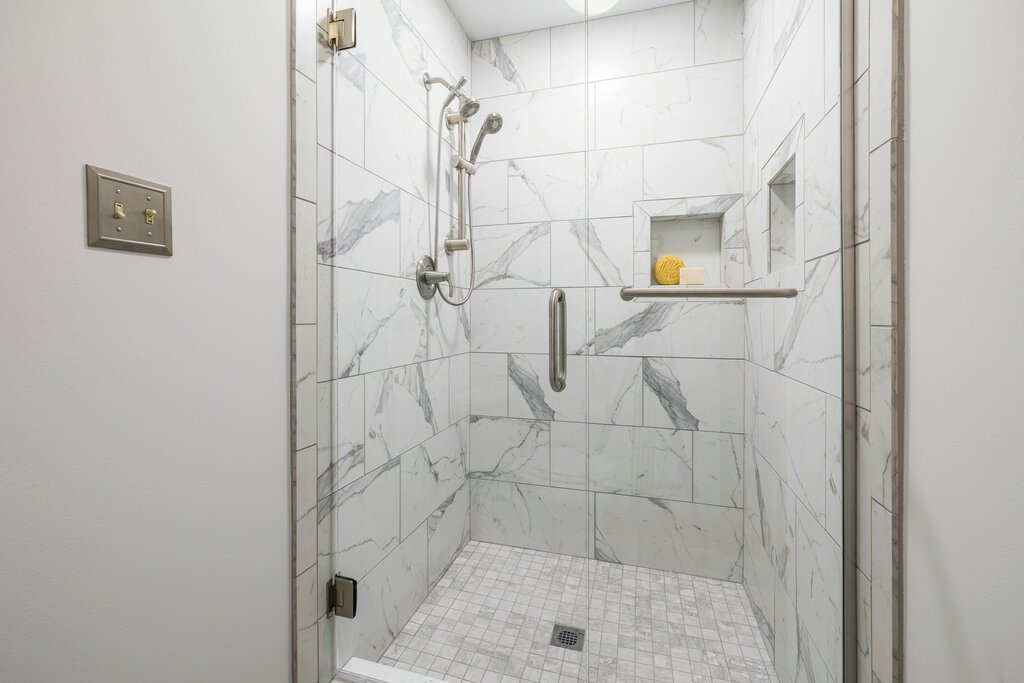
Engineered stone, like quartz, is another popular choice for countertops. It's made by mixing crushed natural stone with resin. This creates a surface that is non-porous and highly resistant to stains and scratches, making it much lower-maintenance than natural stone.
Even with its durability, it's best to avoid harsh chemicals which can break down the resins that bind the stone together.
Opt for durable and easy-to-clean materials, such as quartz countertops, ceramic tile backsplashes, and hardwood or laminate flooring, that can withstand the rigors of daily use.
Let's review the key materials we've covered.
Ready to test your knowledge?
What is the primary reason porcelain is generally more durable and water-resistant than standard ceramic?
You've just spilled some vinegar on a bathroom surface. Which of the following materials is most likely to be damaged by this common acid?
By recognizing the material you're working with, you can choose the right approach to cleaning and ensure your bathroom surfaces stay in top condition.