Basketball Coaching Fundamentals
Coaching Fundamentals
Your Coaching Philosophy
Before you draw up a single play, you need to decide what kind of coach you want to be. This is your coaching philosophy. It’s the foundation for every decision you make, from how you run practices to how you talk to your players after a tough loss.
Think of it as your personal coaching constitution. It’s built on your core values. What matters most to you? Is it winning at all costs, or is it player development and sportsmanship? Is your goal to build elite athletes, or to foster a lifelong love of the game? There are no wrong answers, but you need to know where you stand.
Your coaching philosophy is the cornerstone of your approach to developing athletes.
Your philosophy will naturally lead you to a specific coaching style. While every coach is unique, most fall into one of three main categories:
| Style | Description | Best For |
|---|---|---|
| Authoritarian | The coach makes all the decisions. It's a top-down approach. | Experienced teams that need strong direction to win now. |
| Democratic | The coach involves players in decision-making. More collaborative. | Developing teams where player buy-in and creativity are key. |
| Laissez-Faire | The coach provides little direct instruction, letting players learn on their own. | Highly skilled, mature players who don't need much guidance. |
Most successful coaches are flexible, blending styles to fit the situation and the team's needs. Your philosophy provides the consistency, while your style can adapt.
Communication Is Key
You can have the most brilliant strategy in the world, but it’s useless if you can’t communicate it to your team. Effective communication is about more than just telling players what to do. It’s about connecting with them, motivating them, and ensuring everyone is on the same page.
Good communication is clear, concise, and consistent. Avoid jargon when talking to younger players. Be direct, but always be respectful. And remember that what you don't say matters, too. Your body language—how you stand on the sideline, your facial expressions—sends a powerful message.
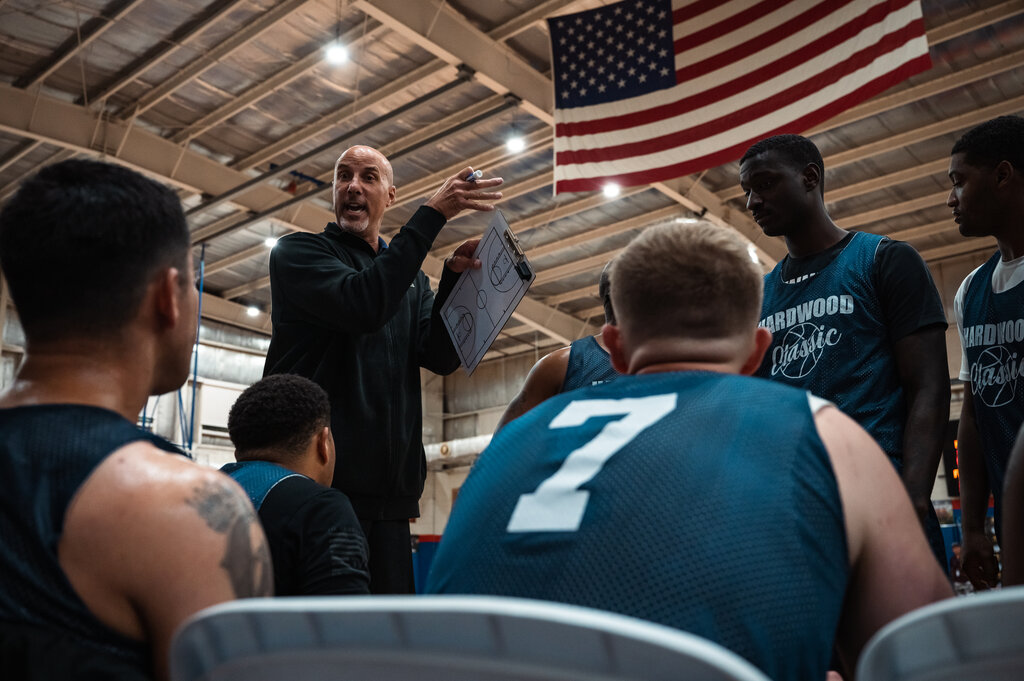
Listening is half of communication. Give your players a chance to speak and truly hear them out. When they feel heard, they are more likely to trust you and buy into the team's goals. Creating an environment where players feel safe to ask questions or express concerns is crucial for a healthy team dynamic.
Remember the three C's of communication: be Clear, be Concise, and be Consistent.
Building Team Culture
Culture
noun
The shared attitudes, values, goals, and practices that characterize a team. It's the environment you create.
Team culture is the personality of your team. It’s “the way we do things here.” A positive culture can elevate a team with average talent, while a negative one can sink a team of superstars. As the coach, you are the primary architect of this culture.
It starts with setting clear expectations and core values. What are the non-negotiables for your team? Maybe it's things like “Maximum Effort,” “Respect Everyone,” and “Team First.” These values should guide every action, from how players treat their teammates to how they carry themselves in the community.
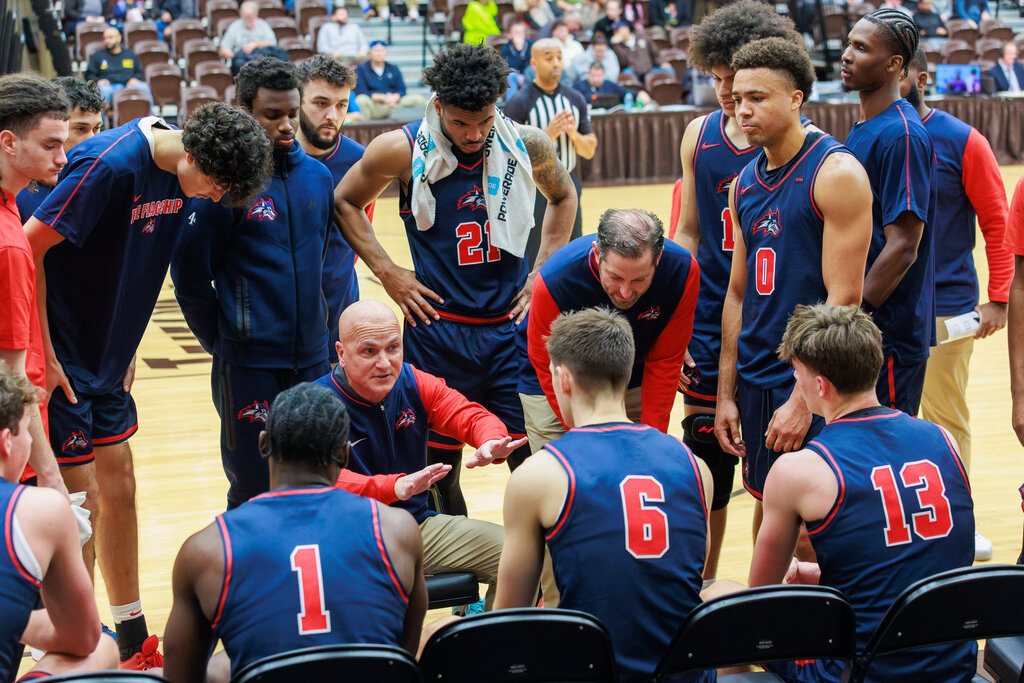
But you can't just post values on a wall. You have to live them. Your players are always watching. If you demand punctuality, you must always be on time. If you preach respect, you must show it to every player, referee, and opponent. When you model the behavior you want to see, your players are more likely to follow.
The Lifelong Learner
The game of basketball is constantly evolving. Strategies change, new drills are developed, and our understanding of athlete development deepens. The best coaches are humble enough to know they don't have all the answers. They are committed to being lifelong learners.
Being a great coach means being a lifelong learner.
How can you keep growing? Watch games at all levels, from high school to the pros. Read books on coaching, leadership, and psychology. Attend coaching clinics and workshops. Build a network of other coaches you can share ideas with.
Don't be afraid to experiment with new ideas in practice. And most importantly, engage in self-reflection. After a practice or game, ask yourself: What went well? What could I have done better? Asking for feedback from your assistant coaches and even your senior players can provide valuable insights for your own development.
Let's review the key ideas from this section.
Now, let's see what you've learned about the foundations of coaching.
What is the primary purpose of a coaching philosophy?
Effective communication from a coach should primarily be clear, concise, and consistent.
Building a solid foundation in these principles will serve you well as you continue to develop as a coach.