Basics of Market Research
Market Research Basics
What is Market Research?
Before launching a new product or starting a business, how do you know if anyone will care? You could just guess and hope for the best. Or, you could do market research.
Think of it as listening before you speak. It's the process of gathering information about people or companies to see if an idea has a real chance of success. It’s about understanding your potential customers, your competitors, and the market itself.
Imagine a chef preparing a new soup. Before adding it to the menu, they taste it. They might even ask a few regular customers to try it. This helps them know if the flavor is right, if it needs more salt, or if it's a dish people will actually order. Market research is the business version of tasting the soup.
The main goal is to reduce risk. Starting something new is always a gamble, but research stacks the odds in your favor. It helps you answer critical questions:
- Is there a problem to solve? Successful products often solve a specific problem or satisfy a need. Research helps you identify these customer pain points with precision.
- Is there a gap in the market? Maybe customers are unhappy with existing solutions. Research can uncover these opportunities, showing you where to focus your efforts.
- Who are my customers? You can't sell to everyone. Research helps you define your target audience so you can tailor your product and marketing directly to them.
Market research is the bedrock of successful product development, providing valuable insights into consumer behavior, preferences, and unmet needs.
Two Flavors of Research
Information for market research comes in two main types: primary and secondary. Understanding the difference is key to building a solid plan.
Primary research is information you collect yourself, directly from the source. It’s fresh, original data tailored specifically to your questions. Think of it as doing your own detective work. Common methods include:
- Surveys: Asking a set of questions to a group of people.
- Interviews: Having one-on-one conversations to get in-depth answers.
- Focus groups: Gathering a small group of people to discuss a product or idea.
This type of research gives you direct feedback about your specific idea.
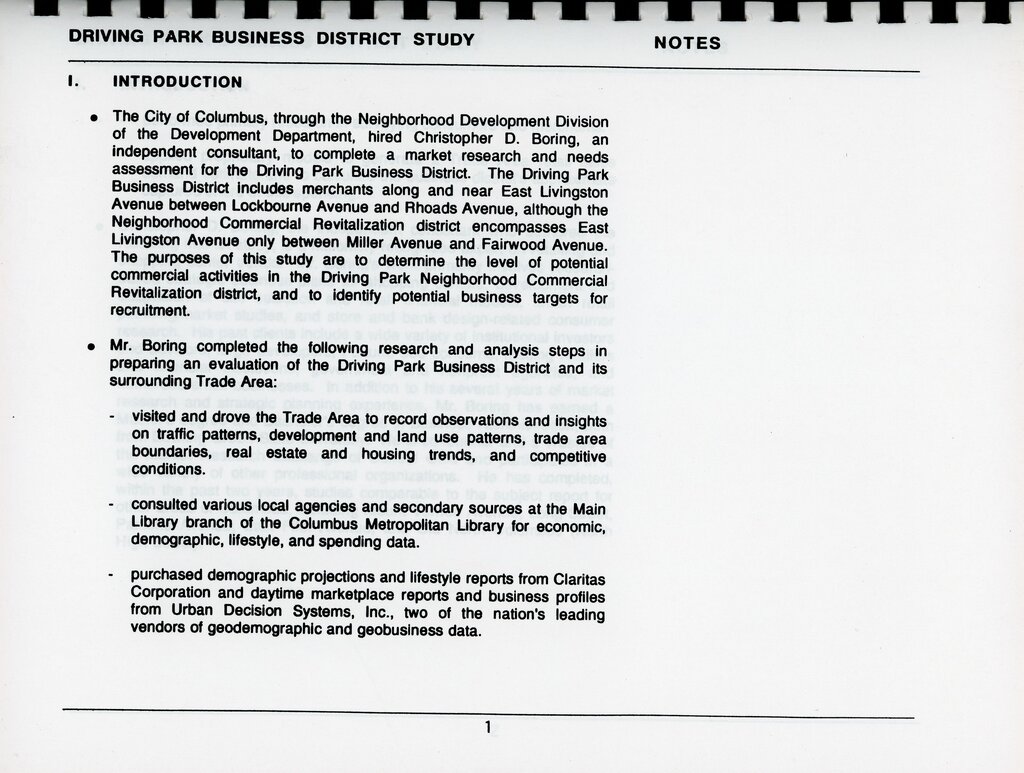
Secondary research uses information that someone else has already collected. This data is often publicly available or sold by research companies. It’s like reading a book about your subject before you start your own experiment. Examples include:
- Government data: Census reports provide a wealth of demographic information.
- Industry articles: Trade publications and news sites report on market trends.
- Data platforms: Companies like Statista or Nielsen compile and sell detailed market reports.
Secondary research is a great starting point. It helps you understand the big picture before you invest time and money into collecting your own data.
Demographics
noun
Statistical data relating to the population and particular groups within it.
Most successful businesses use a mix of both. They start with secondary research to get a broad overview of the landscape, then use primary research to fill in the gaps and test their specific ideas with their target audience. This problem-solving mindset is what turns a simple idea into a thriving business.
What is the main goal of conducting market research before starting a new business?
A startup founder reads a government census report to understand the demographic trends in their target city. What type of research is this?