Basic English Greetings
Basic Greetings
The First Word
Learning to greet people is the first step in any language. It's how we connect with each other. In English, there are several ways to say hello, and the one you choose often depends on the situation.
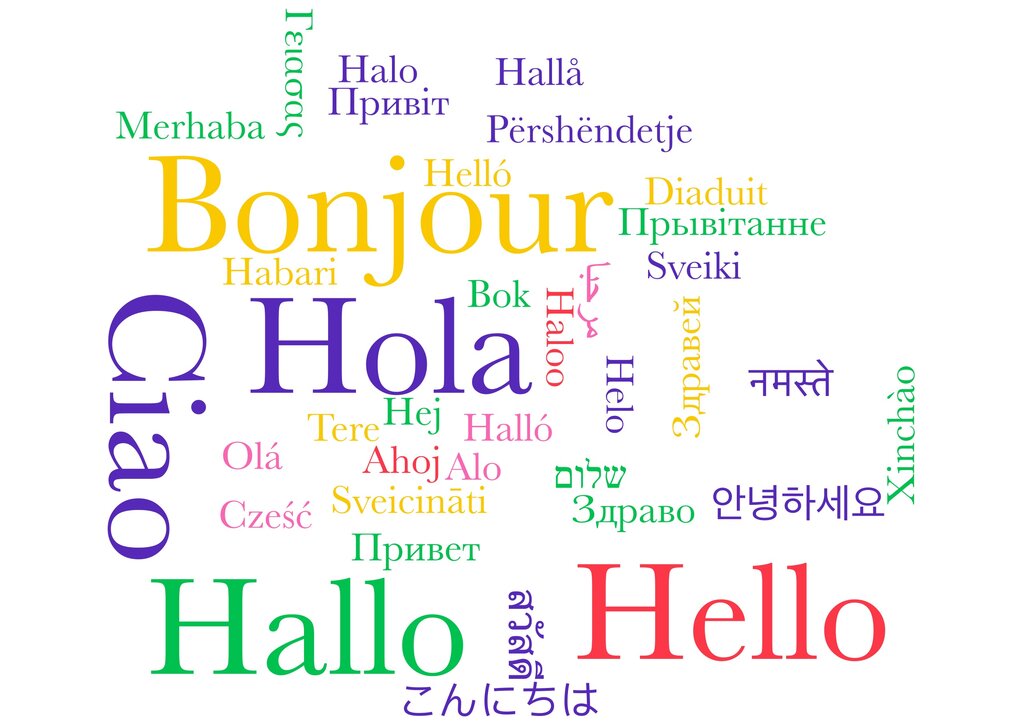
The most common and versatile greeting is "Hello." You can use it anytime, anywhere, with anyone. It's a safe choice whether you're talking to a friend, a teacher, or a store clerk.
A universal greeting in English.
A more casual or informal greeting is "Hi." This is perfect for friends, family, and people you know well. You might also hear "Hey," which is even more informal and common among younger people or close friends.
Use "Hello" for anyone. Use "Hi" or "Hey" for people you know well.
Greetings by the Clock
English speakers often greet each other based on the time of day. These greetings are slightly more formal than "Hello" and are very common in professional settings, like an office, or when addressing someone you don't know.
Practice the common greetings at different times of the day.
There are three main time-specific greetings. Notice that "Good night" is not on this list. That's because "Good night" is used to say goodbye, not hello.
| Greeting | When to Use It |
|---|---|
| Good morning | From when you wake up until 12:00 PM (noon). |
| Good afternoon | From 12:00 PM until about 5:00 or 6:00 PM. |
| Good evening | From about 6:00 PM onwards. |
Using the right greeting for the time of day shows respect and awareness. If you walk into a meeting at 9 AM, "Good morning" is the perfect way to start. If you meet a friend for dinner at 7 PM, you'd say, "Good evening."
Choosing the Right Greeting
So, how do you decide which greeting to use? Think about who you are talking to and where you are. This is often called the context.
Formal situations include work, school, or talking to strangers and older people. Informal situations are with friends, family, and peers.
In a formal setting, like a job interview or meeting your boss, it's best to use "Good morning," "Good afternoon," or "Good evening." "Hello" is also acceptable.
With friends, "Hi" and "Hey" are much more common. It would sound a little strange to greet your best friend with a very formal "Good afternoon."
Tip: Use formal greetings with teachers, managers, and strangers. Use informal greetings with friends and family!
When in doubt, "Hello" is always a polite and safe option. As you listen to more English conversations, you'll get a better feel for which greeting fits each situation.
Ready to check your understanding? Let's try a few questions.
Which greeting is the most versatile and can be used in almost any situation?
You are meeting a close friend for coffee. Which greeting is the MOST appropriate?
Great work! You now know the most important ways to greet someone in English. Practice them whenever you can.