Basic Dog Training Principles
Introduction to Positive Reinforcement
What is Positive Reinforcement?
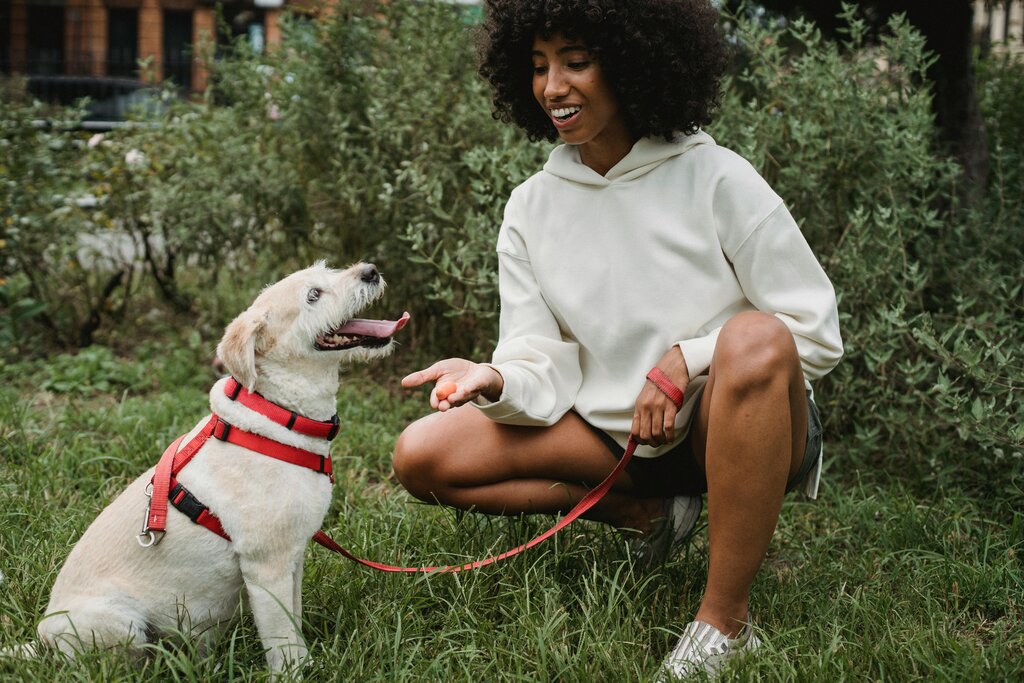
Positive reinforcement is a simple idea: you reward your dog for doing something you like. That reward makes the dog more likely to do that same thing again in the future. It’s a way of communicating, “Yes, that’s exactly what I want!”
Think of it this way: if you get a bonus at work for finishing a project early, you're more likely to try and finish the next one early, too. The bonus is a positive reinforcer for your behavior. For dogs, this “bonus” can be a tasty treat, a favorite toy, or just some enthusiastic praise.
The core principle is adding something good (a reward) to increase a behavior.
This isn't just a popular opinion; it's a method backed by science and recommended by professional organizations like the American Veterinary Society of Animal Behavior (AVSAB). They advocate for reward-based training because it's both effective and humane, strengthening the bond between you and your dog.
Why It Works Better
In the past, some training methods relied on punishment or discomfort—known as aversive training—to stop unwanted behaviors. This might involve leash jerks, loud noises, or physical corrections. While these methods can sometimes stop a behavior in the short term, they often create long-term problems.
Aversive training can make a dog anxious, fearful, or even aggressive. It damages trust and can make a dog afraid to try new things, fearing they'll do something wrong. Instead of teaching a dog what to do, it focuses on what not to do, which can be confusing and stressful.
Positive reinforcement does the opposite. It builds your dog's confidence and makes learning a fun and engaging experience for both of you. A dog trained with positive reinforcement understands what is expected and is eager to offer the right behaviors. It changes the dynamic from a power struggle to a cooperative partnership.
Use positive reinforcement – dogs are much more likely to repeat desired behaviors if they are rewarded for doing so.
The Keys to Success
To make positive reinforcement work, a few key elements are crucial: timing, consistency, and the right reward.
Timing is everything. The reward must happen immediately—within a second or two—after the desired behavior. If you wait too long, your dog won't connect the reward with the action.
For example, if you ask your dog to sit and reward them after they've already stood back up, you've just rewarded them for standing up, not for sitting. The praise or treat should come the instant their rear hits the floor.
Timely rewards are important to ensure dogs know what behavior they’re being praised or given treats for performing.
Consistency is just as important. Everyone in the household should use the same commands and reward the same behaviors. If one person lets the dog on the couch and another doesn't, the dog will be confused. When rules and rewards are consistent, your dog learns much faster.
Choosing the Right Reward
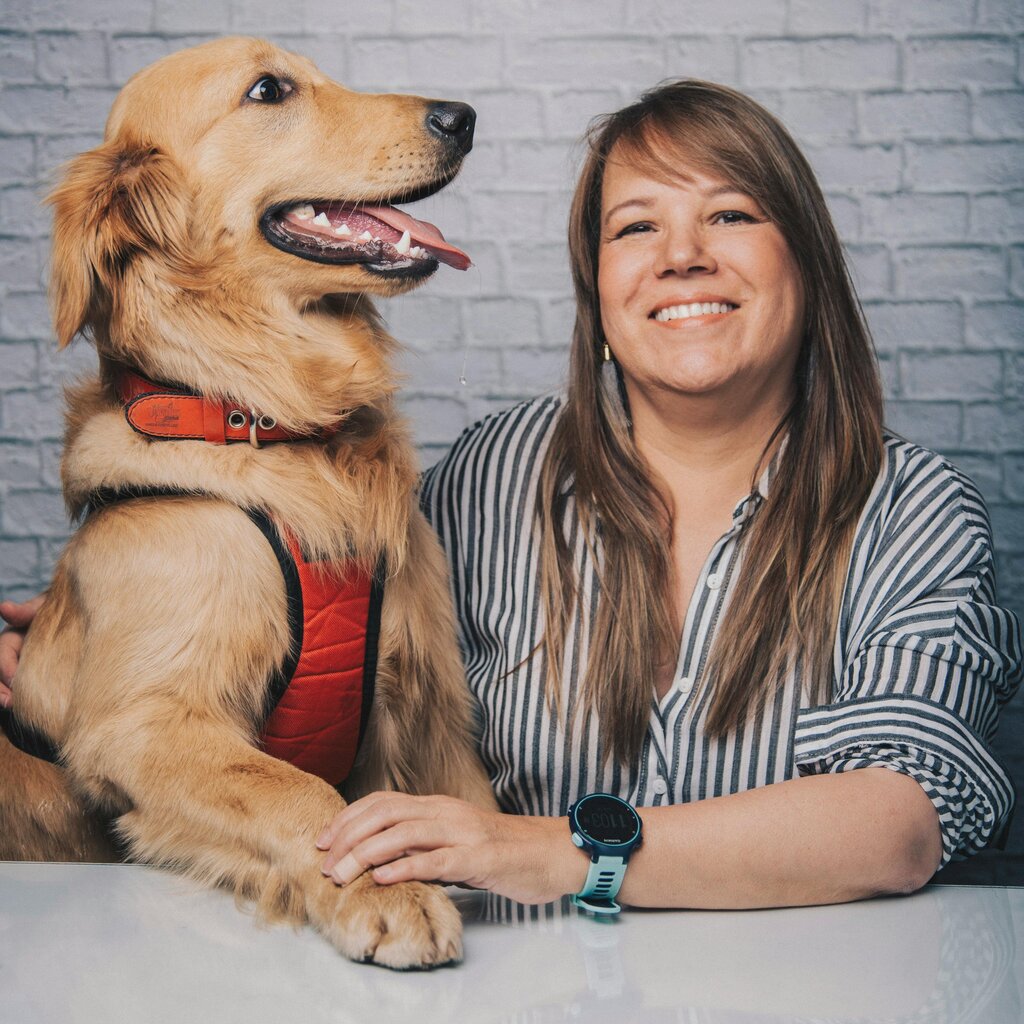
Not all rewards are created equal, and what one dog loves, another might ignore. The best reinforcer is whatever your specific dog finds most motivating.
| Reinforcer Type | Examples | Best For... |
|---|---|---|
| Food Treats | Small, soft, high-value treats (chicken, cheese) | Most dogs, especially for learning new skills. |
| Toys | A game of tug, a squeaky toy, a quick fetch | Dogs with high toy drive; good for energetic behaviors. |
| Praise & Affection | Enthusiastic "Good boy!", ear scratches, belly rubs | Dogs who are very people-oriented; good for reinforcing known commands. |
Observe your dog to see what truly gets them excited. For learning a difficult new skill, you might need a
high-value
adjective
A reward that a dog finds exceptionally motivating, typically something they don't get every day.
treat, like a tiny piece of chicken. For reinforcing a simple "sit" they already know, a piece of their regular kibble or some verbal praise might be enough. By tailoring the reward to your dog and the situation, you keep them engaged and eager to learn.
Let's review these key ideas before we finish.
Ready to check your understanding?
What is the primary goal of positive reinforcement in dog training?
According to the principles of positive reinforcement, you ask your dog to 'sit.' When is the most effective moment to give them their reward?
By focusing on rewarding the good, you're not just training a dog; you're building a relationship based on trust, communication, and mutual respect.