Barolo Wine Essentials
Introduction to Barolo
The King of Wines
In the world of wine, few names command as much respect as Barolo. Often called the "king of wines and the wine of kings," it's a powerful red wine that comes from a small cluster of villages in northwest Italy.
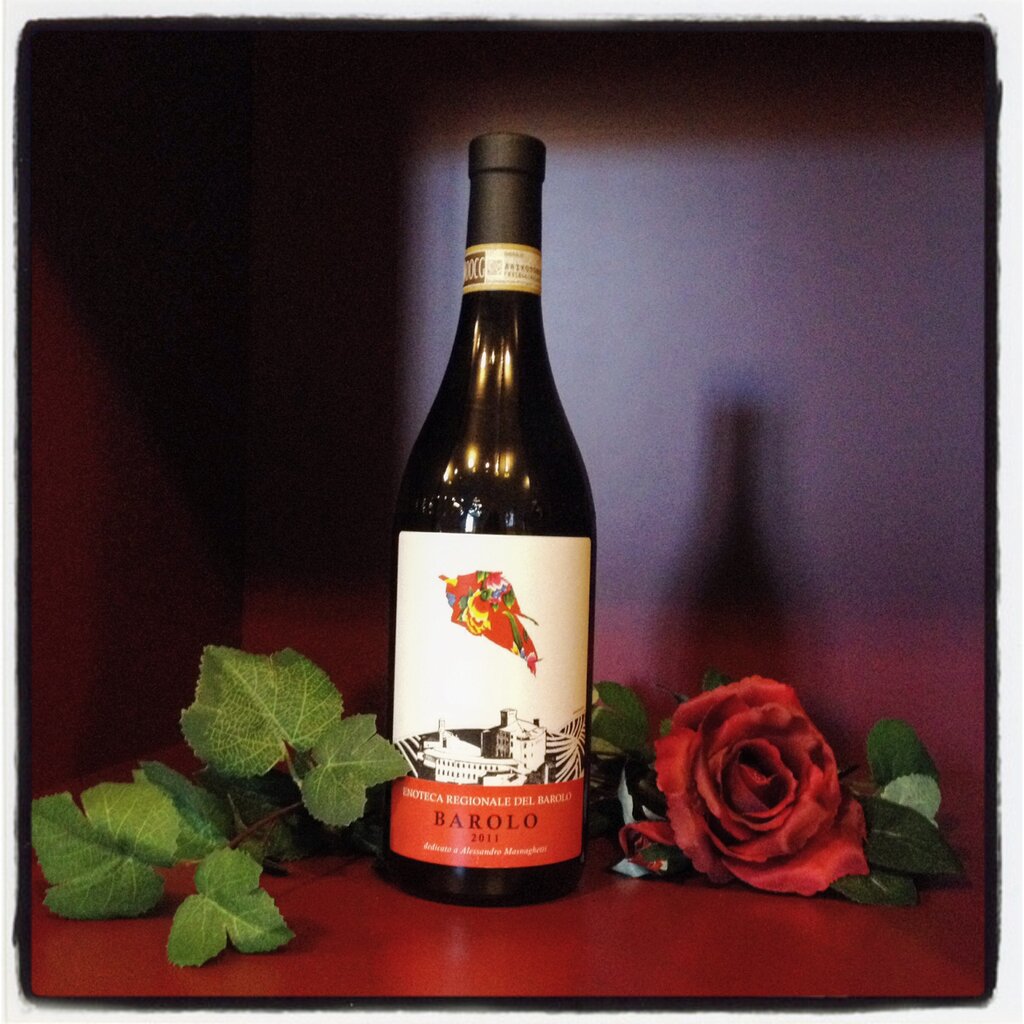
This prestigious wine has a rich history tied to Italian nobility. For a long time, the grape used to make it produced a much sweeter, lighter wine. It wasn't until the mid-19th century that a French winemaker, at the request of local nobles, helped develop the dry, robust style we know today. This new version of the wine quickly became a favorite in the royal court of Turin, cementing its regal reputation.
A Special Place
Barolo's story is inseparable from its home: the Piedmont region of Italy. The name itself is protected, meaning a wine can only be called Barolo if it comes from this specific area. The vineyards are nestled in the Langhe hills, with the snow-capped Alps creating a stunning backdrop.
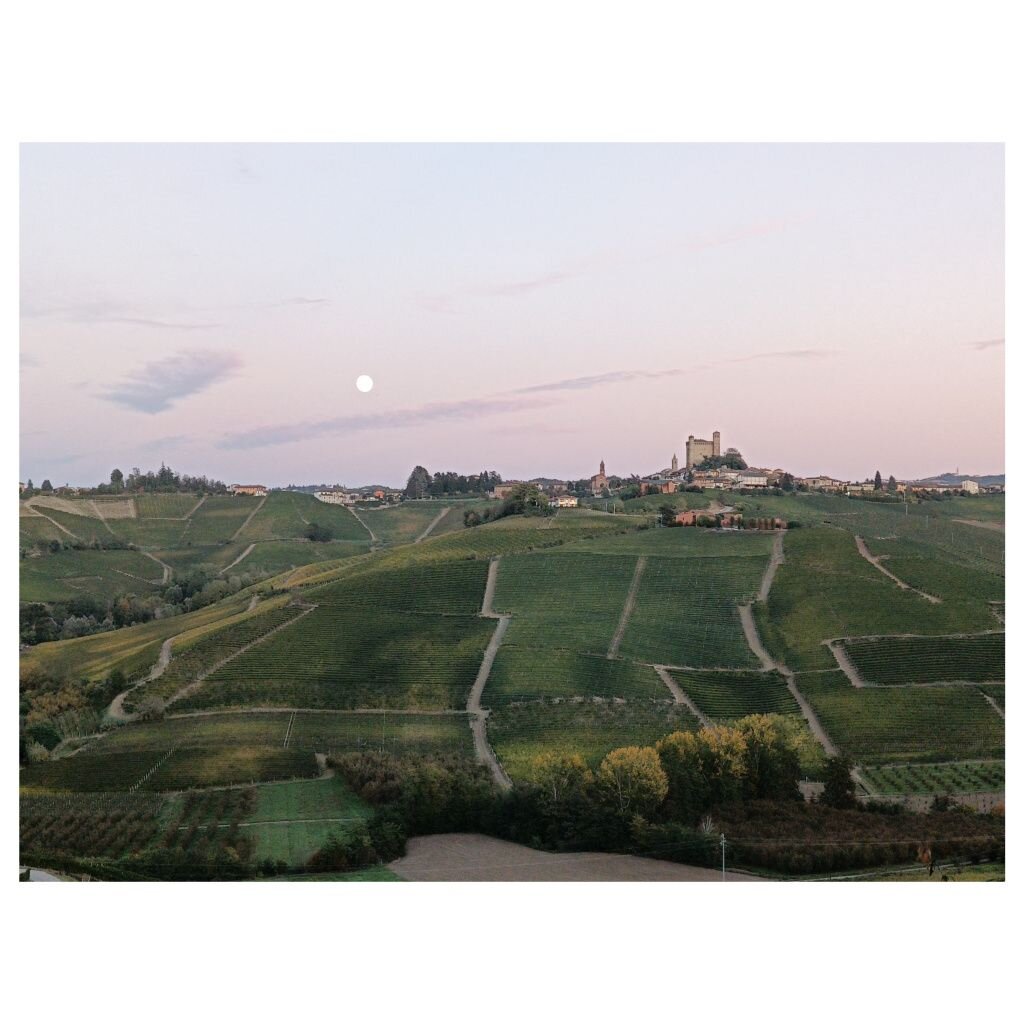
This landscape is crucial. The hills provide sunny slopes for the grapes to ripen, while the cool alpine air helps them retain acidity. The region is also famous for its thick autumn fog, or nebbia in Italian. This fog plays a vital role in the local climate, and as we'll see, even gives the region's star grape its name.
The Nebbiolo Grape
By law, all Barolo must be made from 100% Nebbiolo grapes. This isn't an easy grape to grow; it's notoriously picky about where it puts down roots and is one of the last varieties to ripen each year.
The Nebbiolo grape is a high-tannin variety native to the Piedmont region.
Nebbiolo's name is believed to come from nebbia, the fog that blankets the hills during harvest in October. The grape is known for its light color, which can be deceiving. Despite its pale, ruby appearance, it packs a punch with high levels of both tannin and acid. These two components give Barolo its structure and remarkable ability to age for decades, slowly evolving from a tough, aggressive wine into something truly elegant and complex.
Understanding Barolo starts with understanding this unique grape and its connection to the foggy hills of Piedmont. It's a combination of a specific place and a specific grape that creates one of the world's most treasured wines.