Bar Management Essentials
Bar Setup
Finding Your Spot
The right location is more than just an address; it's the foundation of your bar's success. Look for areas with consistent foot traffic, especially during the evening. A spot near theaters, concert venues, or busy office buildings can provide a steady stream of customers. Visibility is key. A corner location or a storefront with large windows is much more likely to catch the eye of passersby than a hidden entrance.
Think about your target audience. Who are you trying to serve? A chic cocktail lounge fits well in a trendy, upscale neighborhood, while a casual sports bar might thrive near a university campus or in a residential area. Research the local demographics and check out the competition. Being near other bars can be a good thing, creating a nightlife district, but make sure your concept offers something unique.
Designing the Experience
Before you choose a single chair or paint color, you need a solid concept. What is the story of your bar? Is it a cozy, dimly lit speakeasy? A bright, airy gin bar? A high-energy sports hub? Your theme will guide every design decision, from the music you play to the glasses you serve drinks in. This identity is what makes your bar memorable and attracts your ideal customers.
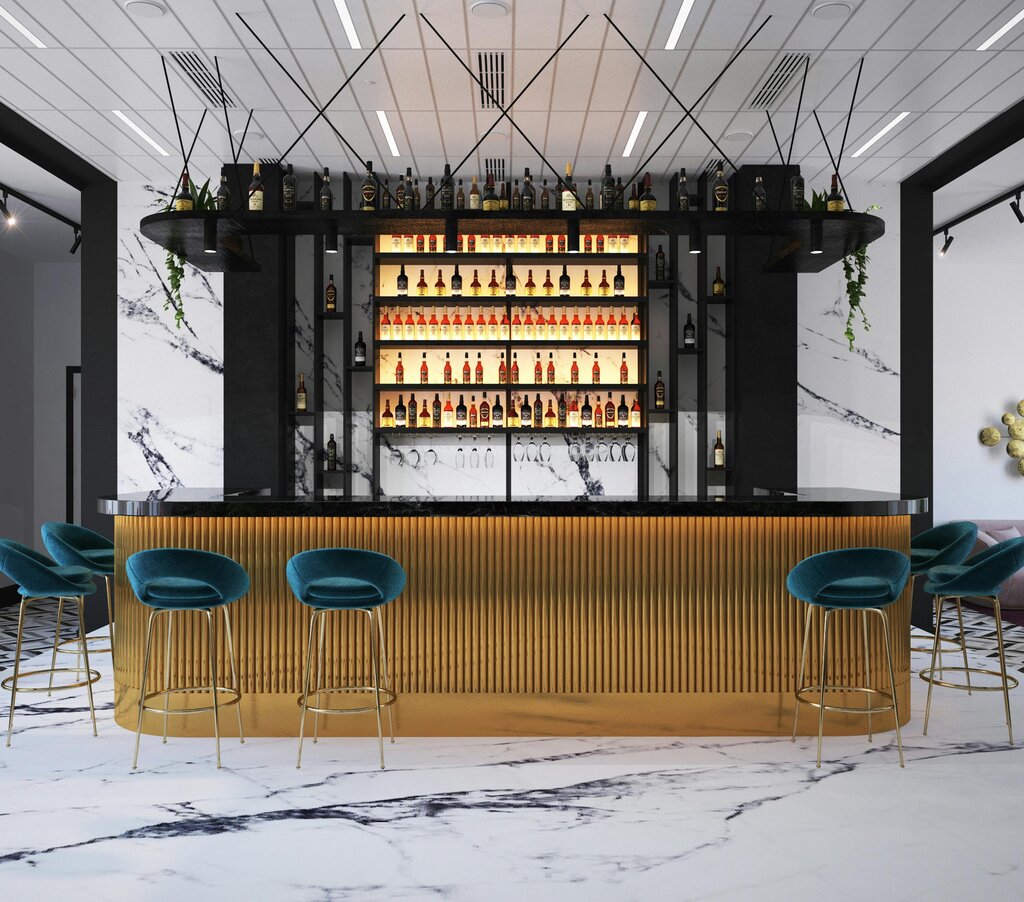
Once you have your concept, you can plan the layout. The goal is to create a space that is both comfortable for guests and efficient for staff. The path from the entrance to the bar, seating areas, and restrooms should be clear and unobstructed. Avoid creating bottlenecks where customers and staff might bump into each other.
A great layout guides guests effortlessly. The bar should be the focal point, visible from the entrance, with clear pathways to seating and other key areas.
The bar itself is the command center. It needs enough space for bartenders to work without getting in each other's way. This is often called the "cockpit." It should be designed for an ergonomic workflow, with ice wells, sinks, glassware, and popular spirits all within easy reach to minimize movement and speed up service. Seating should be a mix of options: stools at the bar for singles and couples, small tables for intimate groups, and larger booths for parties.
Stocking the Essentials
With your layout planned, it's time to get your equipment. This list can be long, so it's helpful to break it down into categories. You'll need large appliances like refrigerators, ice machines, and dishwashers. Then there's the essential barware for making drinks, a wide variety of glassware for serving them, and general supplies like cutting boards and bar mats.
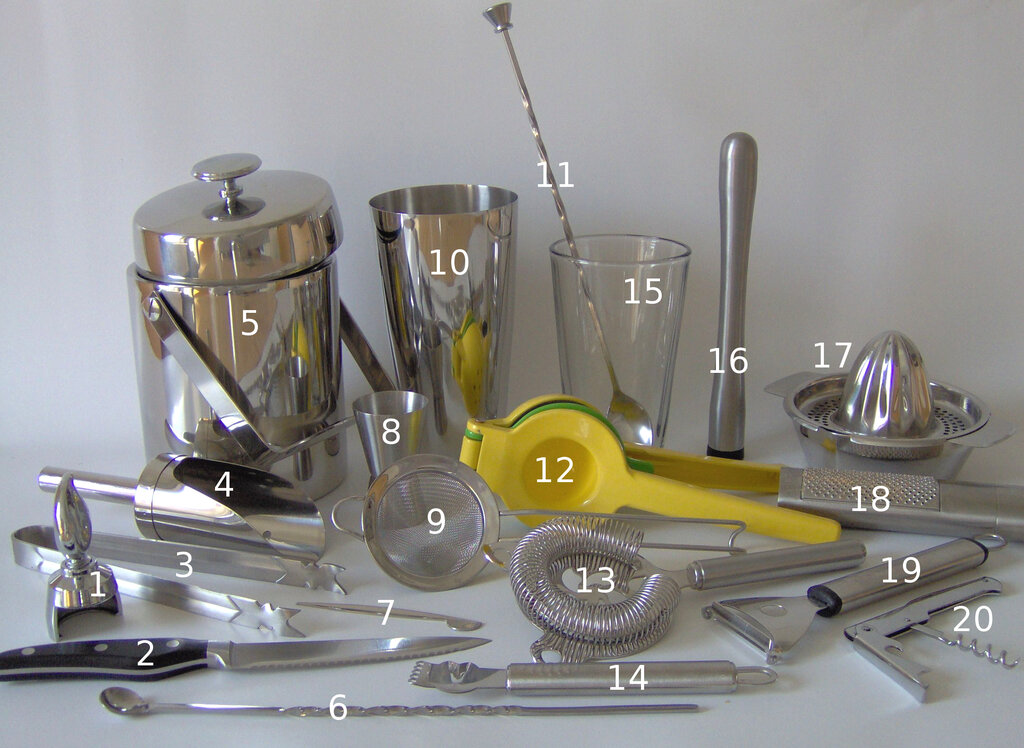
Don't forget the point-of-sale (POS) system for handling orders and payments. A modern system can also help you track sales data, which becomes invaluable later on. Start by purchasing the absolute necessities and plan to add more specialized equipment as your bar grows and your menu evolves.
| Category | Essential Items |
|---|---|
| Appliances | Refrigerator, Ice Machine, Glasswasher, Blender |
| Barware | Shakers, Jiggers, Strainers, Bar Spoons, Muddlers |
| Glassware | Rocks Glasses, Highball Glasses, Martini Glasses, Wine Glasses |
| Supplies | Cutting Boards, Knives, Bar Mats, Pour Spouts, Ice Scoops |
Time to see what you've learned about setting up a bar.
When choosing a location for a new bar, why can being near other existing bars sometimes be a good thing?
What is the primary purpose of establishing a clear concept or theme for your bar?
Putting these foundational pieces in place gives your bar the best possible start.