Banquet Background Image Transformation
Introduction to Photo Editing
What is Photo Editing?
Photo editing is the art of altering an image. It's not just about fixing mistakes; it's about enhancing a photo to better match the creator's vision. Think of it as the digital version of a darkroom, where photographers have long adjusted their prints to get the perfect look.
The goal can be simple, like correcting the lighting in a snapshot that came out too dark. Or it can be more creative, like changing colors to evoke a specific mood. At its core, editing helps a good photo become a great one by refining its message and visual impact.
Editing is a vital part of photography, allowing you to bring your images to life and match the vision you had while shooting.
This process is used everywhere. A professional photographer uses it to perfect wedding photos. A marketing team uses it to create eye-catching ads. A casual Instagram user applies a filter to make their vacation pictures pop. In each case, editing bridges the gap between what the camera captured and what the eye saw, or what the heart felt.
The Digital Darkroom
The first widely available photo editing software, Adobe Photoshop, was released in 1990. Before that, image manipulation was a complex process reserved for professionals with expensive equipment. The rise of personal computers and digital cameras brought these powerful tools to everyone.
Today, the options are vast. Professional-grade software like Adobe Photoshop and Lightroom are industry standards, offering deep control over every aspect of an image. But there are also powerful and often free alternatives like GIMP, Darktable, or user-friendly mobile apps such as Snapseed and VSCO.
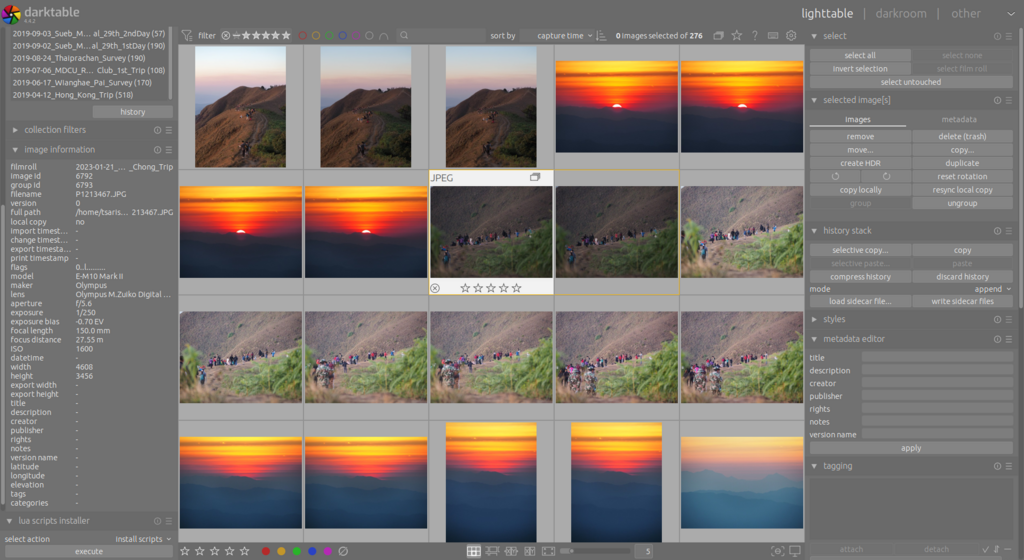
Each program has its own interface, but they all share a common set of fundamental tools designed to adjust the building blocks of a photograph.
First things first: if you want to make great edits, you're going to have to be comfortable with the program you're using to create them and understand how to use all (or at least most) of its features.
Your First Edits
Getting started with photo editing doesn't have to be complicated. Most impactful adjustments rely on just a few basic techniques. Once you understand them, you'll see them everywhere.
| Technique | Purpose |
|---|---|
| Crop & Straighten | Removes distracting elements and fixes tilted horizons. Improves composition. |
| Exposure & Brightness | Adjusts the overall lightness or darkness of the image. |
| Contrast | Controls the difference between the darkest and lightest parts of a photo. |
| Color Correction | Fine-tunes colors for accuracy (white balance) or impact (saturation & hue). |
These tools are the foundation of almost every edit. Mastering them allows you to make your photos clearer, more balanced, and more vibrant. The key is often subtlety. The best edits enhance the original photo without looking unnatural.
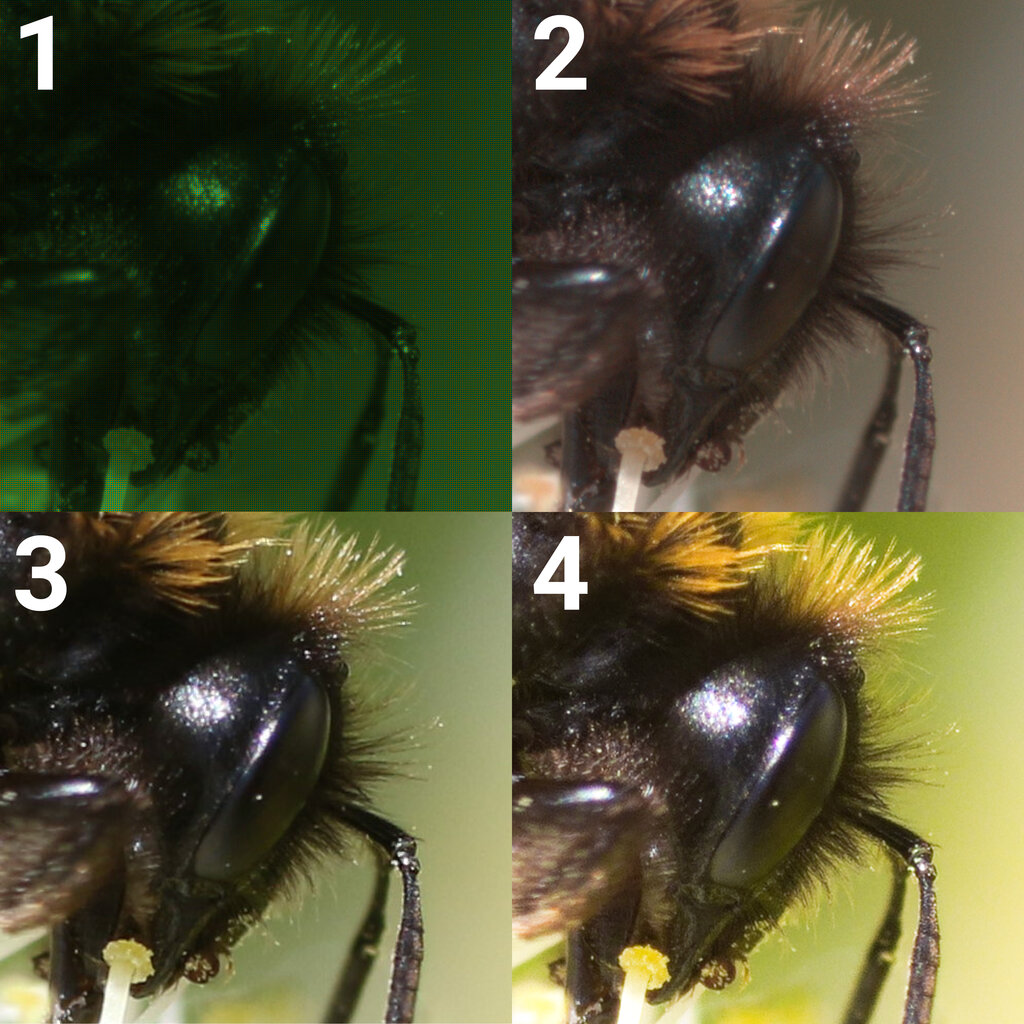
Let's test your understanding of these core concepts.
What is the primary purpose of photo editing?
What major development in 1990 made photo editing widely accessible to the public?
With these fundamentals, you have a solid starting point for improving your own photos.