Bank Risk Control Essentials
Introduction to Financial Risks
The Landscape of Financial Risk
Banks seem like stable, permanent institutions, but they operate in an environment filled with uncertainty. Financial risk is the possibility of losing money due to this uncertainty. For a bank, managing risk isn't just about avoiding losses; it's a core part of their business. They take calculated risks to generate profits. Understanding the different types of risks they face is the first step in understanding how banking works.
Credit Risk
At its heart, banking is about lending money. This is where the most fundamental risk comes from: credit risk. This is the risk that a borrower will fail to repay a loan, and the bank will lose the principal amount lent, the interest, or both.
Imagine a bank approves a 💲300,000 mortgage for a family to buy a home. The bank earns money from the interest paid on that loan over many years. If the homeowner loses their job and can no longer make payments, the bank faces a potential loss. This is credit risk in action.
This risk applies to all forms of lending, from small personal loans and credit cards to massive corporate loans. Every time a bank extends credit, it's making a bet on the borrower's ability to pay it back. To make good bets, banks spend a lot of time and effort analyzing the creditworthiness of potential borrowers.
Market Risk
Banks don't just lend money; they also invest in financial markets. Market risk is the potential for loss due to factors that affect the overall performance of financial markets. A bank's investment portfolio, which might include stocks, bonds, and currencies, is exposed to these fluctuations.
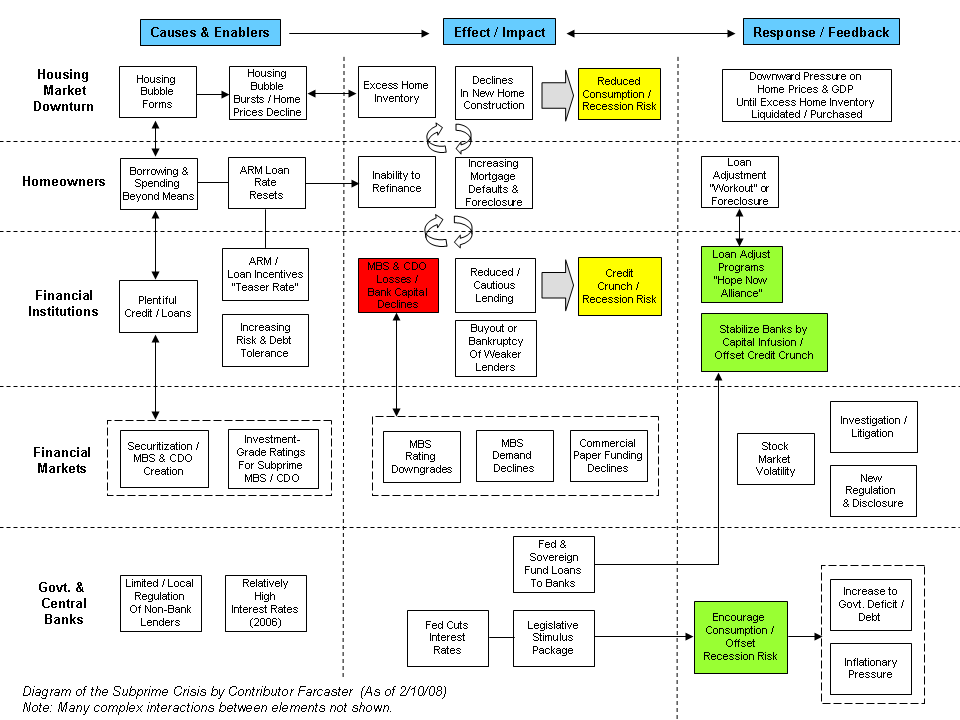
There are several key types of market risk:
- Interest Rate Risk: The risk that changes in interest rates will affect the value of a bank's assets. For example, if a bank holds a lot of long-term, fixed-rate bonds and interest rates rise, the market value of those bonds will fall.
- Foreign Exchange Risk: This arises from changes in the value of currencies. If a bank holds assets in a foreign currency and that currency weakens against the bank's home currency, the value of those assets decreases.
- Equity Price Risk: This is the risk of losses due to drops in stock prices. While banks have limits on how much stock they can hold, their investment arms are still exposed to stock market volatility.
Operational Risk
Not all risks come from lending or markets. Operational risk is the risk of loss resulting from failed internal processes, people, and systems, or from external events. It's about the potential for things to go wrong in the day-to-day business of the bank.
This category is incredibly broad and can include everything from employee fraud and data entry errors to cybersecurity breaches and natural disasters that shut down a data center. An employee clicking on a phishing email, a software bug in the trading platform, or a poorly executed internal procedure all fall under this umbrella.
Liquidity Risk
Liquidity risk is the risk that a bank won't have enough cash on hand to meet its short-term obligations without incurring unacceptable losses. This is a unique and critical risk for banks because of their business model.
Banks take in short-term deposits from customers, who can withdraw their money at any time. They then use that money to make long-term loans, like 30-year mortgages. This creates a fundamental mismatch. If a large number of depositors suddenly demand their money back at once (an event known as a bank run), the bank might not be able to sell its long-term assets quickly enough to cover the withdrawals.
Even a healthy, profitable bank can fail if it can't manage its liquidity. It might be forced to sell assets at fire-sale prices, leading to huge losses and, ultimately, insolvency.
Reputational Risk
Finally, reputational risk is the threat of damage to a bank's good name or standing. Unlike the other risks, it's less direct but can be just as destructive. A damaged reputation can lead to a loss of customers, litigation, and a decline in revenue.
This type of risk can arise from any of the others. A major operational failure, like a massive data breach, can ruin a bank's reputation for security. Involvement in a public scandal or unethical lending practices can lead to widespread customer distrust. In banking, trust is everything. Once it's lost, it is very difficult to win back.
These five categories form the foundation of risk in the banking world. They are interconnected and require constant attention.
What is the most fundamental risk a bank faces from its core business of lending money?
A bank based in the United States holds significant assets denominated in Japanese Yen. If the Yen weakens against the U.S. Dollar, the bank is primarily exposed to which type of risk?