Bambu Filament Innovations
Introduction to 3D Printing Filaments
The Fuel for Your Printer
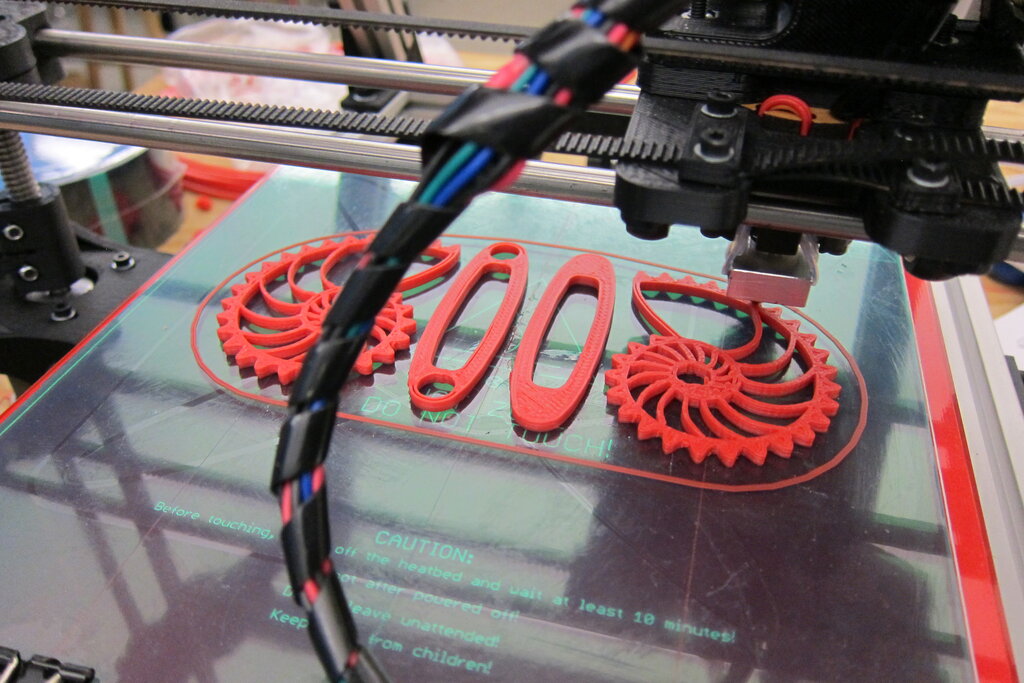
Think of 3D printer filament as the ink for a 3D printer. It’s a special type of plastic, called a thermoplastic, that comes wound on a spool. The printer feeds this filament into a hot nozzle, melting it just enough to be squeezed out in a thin, continuous line. This molten plastic is then drawn onto a build plate, layer by tiny layer, to create a solid object. Once a layer is complete, it cools and hardens, providing a base for the next one.
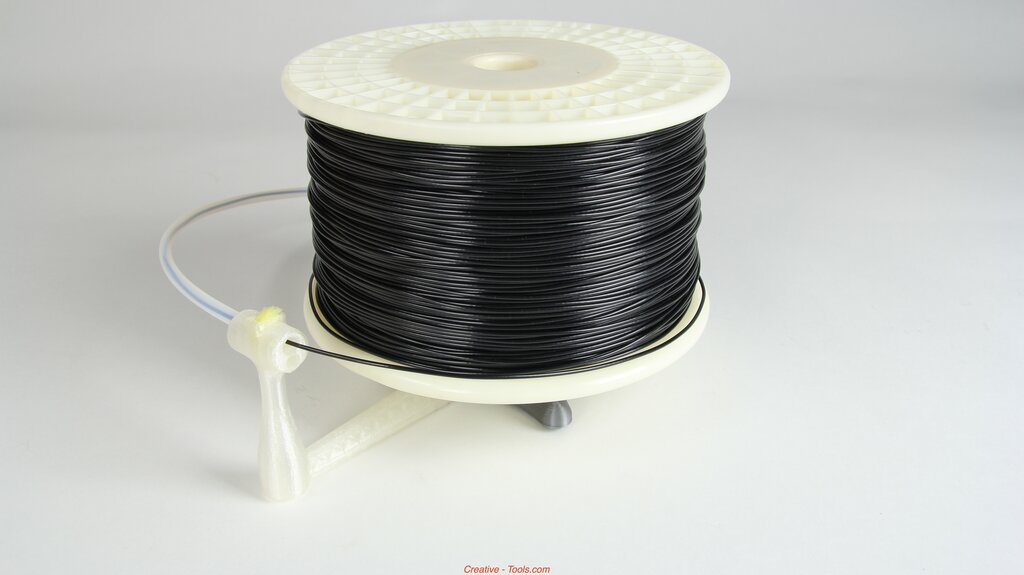
This process is called Fused Deposition Modeling (FDM), and it's the most common type of consumer 3D printing. The key is the filament itself. Different types of plastic have different properties, making them suitable for different kinds of objects. Choosing the right filament is just as important as having a good design.
The Four Main Types
While there are dozens of specialty filaments, most prints use one of four common materials. Each offers a unique blend of strength, flexibility, and ease of use. Understanding their core differences will help you decide which one is right for your project.
| Filament | Key Feature | Best For... |
|---|---|---|
| PLA | Easy to print | Prototypes, models |
| ABS | Strong & durable | Functional parts |
| PETG | Strong & food-safe | Mechanical parts, containers |
| TPU | Flexible & rubbery | Phone cases, flexible joints |
Let's look at each one more closely.
PLA: The All-Rounder
PLA
noun
A biodegradable thermoplastic polymer derived from renewable resources like corn starch or sugarcane. It is the most widely used filament in consumer 3D printing.
Polylactic Acid, or PLA, is the go-to filament for most beginners. It prints at relatively low temperatures (around 190-220°C) and doesn't require a heated print bed, making it compatible with nearly every FDM printer on the market. It’s also known for not shrinking much as it cools, which means less warping and more successful prints.
Its main drawback is its low heat resistance. A PLA object left in a hot car on a summer day can warp or even melt. It's also quite brittle, so it can snap under pressure rather than bend. This makes it ideal for visual models, rapid prototypes, and decorative items that won't face much physical stress.
Durable and Flexible Options
When you need a print to withstand more wear and tear, you'll want to move beyond PLA. Materials like ABS, PETG, and TPU offer enhanced strength, heat resistance, and flexibility.
ABS: The Industrial Staple Acrylonitrile Butadiene Styrene (ABS) is a tough, impact-resistant plastic. It's the same material used to make LEGO bricks. ABS has a higher temperature resistance than PLA and is great for functional parts that need to be durable, like phone cases or components for other machines. However, it's trickier to print with. It requires higher temperatures and a heated bed to prevent warping, and it releases fumes with a noticeable odor, so good ventilation is a must.
PETG: A Happy Medium Polyethylene Terephthalate Glycol (PETG) combines many of the best qualities of PLA and ABS. It's stronger and more durable than PLA but much easier to print than ABS. It has minimal warping and odor. PETG is also known for being chemically resistant and is often considered food-safe (though you should always check the manufacturer's specifications). This makes it perfect for mechanical parts, protective casings, and even items like water bottles or food containers.
TPU: The Flexible Choice Thermoplastic Polyurethane (TPU) is a rubber-like filament. If you need an object to be flexible, bendable, and resistant to impacts, TPU is the material for the job. It's used to make things like flexible phone cases, vibration dampeners, and custom seals. Printing with TPU can be challenging, as its flexibility can cause it to jam in some printer extruders. It requires slow and steady print speeds for the best results.
Ready to test your knowledge?
What is the general term for the plastic 'ink' used in FDM 3D printers, which is melted and extruded to create objects?
You want to print a custom, flexible smartphone case that can absorb impacts. Which filament type is best suited for this purpose?
Understanding these basic materials is the first step in mastering 3D printing. By matching the filament's properties to the needs of your project, you can create objects that are not only visually impressive but also functional and durable.