Baking Soda in Qualitative Research Explorations
Introduction to Qualitative Research
Beyond the Numbers
Sometimes, the most important questions can't be answered with numbers. You can count how many people buy a product, but that doesn't tell you why they chose it. You can survey how many students feel stressed, but you won't understand the stories behind that stress. This is where qualitative research comes in.
It’s a way of exploring the world through non-numerical data, like conversations, stories, and observations. The goal is to understand the social reality of individuals, seeing the world from their perspective. Instead of counting and measuring, qualitative researchers listen, watch, and interpret.
Qualitative research is designed to reveal a target audience’s range of behavior and the perceptions that drive it with reference to specific topics or issues.
This approach helps us dig into complex human experiences. It’s less about finding a single, universal truth and more about uncovering the rich, varied, and often messy details of people's lives.
The Researcher's Toolkit
Qualitative researchers use several methods to gather information. Each tool is suited for different kinds of questions and settings. The three most common are interviews, focus groups, and observations.
In-depth Interview
noun
A one-on-one conversation where a researcher asks open-ended questions to explore a topic in detail from an individual's perspective.
An interview is more than just a Q&A session. It's a guided conversation. The researcher might have a list of topics, but they let the conversation flow naturally to capture the participant's unique story. The questions are designed to encourage detailed answers, not just a simple "yes" or "no."
Instead of asking, "Do you like your job?" a qualitative researcher might ask, "Can you tell me about a typical day at work for you?"
Next are focus groups. These are small, moderated discussions with about 6-10 people. The real magic happens when participants interact, building on each other’s comments, agreeing, or even disagreeing. This group dynamic can reveal shared beliefs, cultural norms, or points of contention that might not surface in a one-on-one interview.

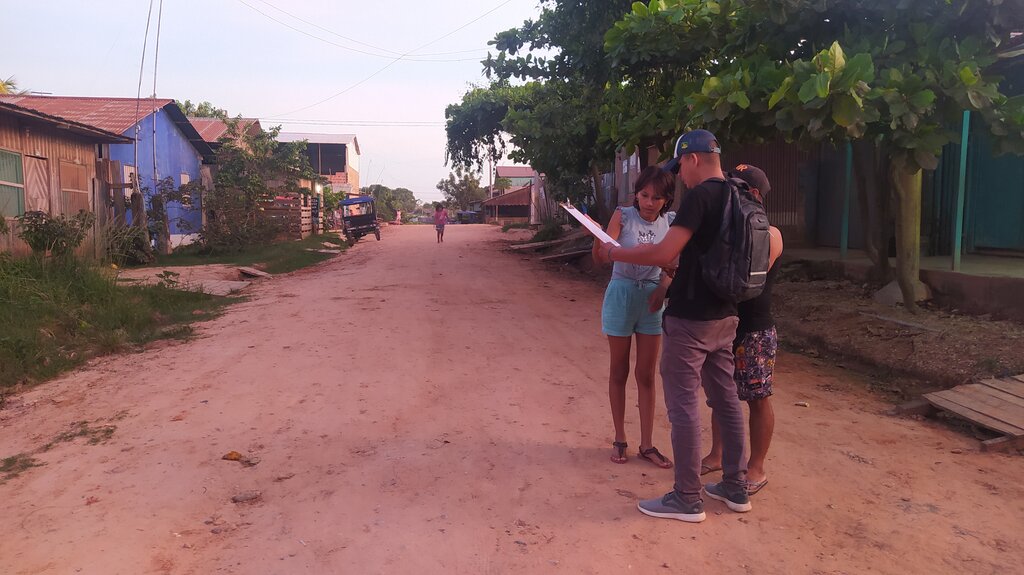
Finally, there's field observation. This involves researchers immersing themselves in a particular environment to watch people's behavior in its natural context. The researcher might be a "fly on the wall" in a coffee shop, a participant in a community festival, or an observer in a classroom. The goal is to see what people actually do, not just what they say they do.
Where It Makes a Difference
Qualitative research is a cornerstone of the social sciences, including sociology, anthropology, and psychology. It's used to explore complex social issues that numbers alone can't explain.
For example, an anthropologist might use field observation to understand the daily rituals of a remote tribe. A psychologist could use in-depth interviews to explore how people cope with trauma. A market researcher might run focus groups to see how consumers feel about a new type of packaging.
In each case, the research provides deep, contextual insights. It helps us understand not just what is happening, but how and why it's happening from the perspective of the people involved.
By focusing on stories, contexts, and meanings, this type of research gives a voice to human experience, adding color and depth to our understanding of the world.