Baking Perfect Biscuits
Understanding Biscuit Ingredients
The Building Blocks of Biscuits
A great biscuit seems like magic, but it's really just a partnership between a few simple ingredients. Each one has a specific job, from creating a tender crumb to adding rich flavor. Understanding the role of each component is the first step to mastering the art of biscuit making. Let's look at the core cast of characters.
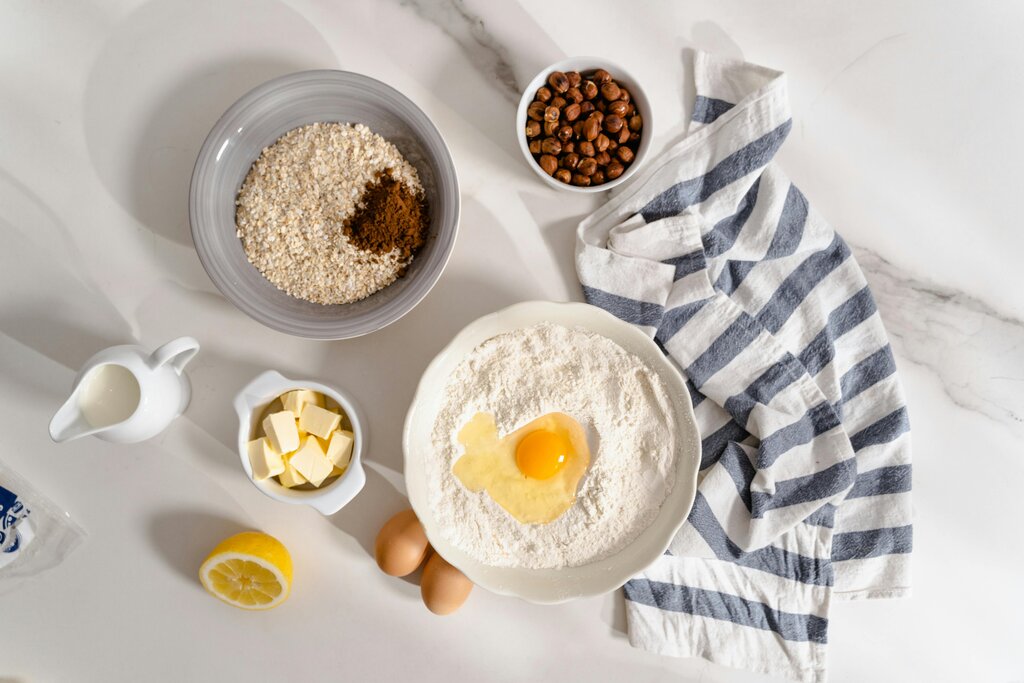
Flour Power
Flour provides the structure for our biscuits. The key player within flour is protein. When mixed with liquid, flour's proteins form an elastic network called gluten. The more gluten you have, the chewier the final product will be. Think of a crusty loaf of bread—that's high gluten at work.
For biscuits, we want the opposite. Our goal is tenderness, not chewiness. That means we need a flour with a lower protein content. All-purpose flour is a reliable choice that works well in most recipes. It has a moderate amount of protein that provides enough structure without making the biscuits tough.
gluten
noun
A network of proteins that forms when flour is mixed with water, giving dough its structure and elasticity.
If you're aiming for exceptionally soft and light biscuits, you might seek out a soft wheat flour, like White Lily, which has an even lower protein content. On the flip side, you should always avoid bread flour, as its high protein content will result in tough, dense biscuits.
| Flour Type | Protein Content | Best for Biscuits? |
|---|---|---|
| Cake Flour | Low (~8%) | Very tender, almost crumbly |
| All-Purpose | Medium (~10-12%) | The reliable standard |
| Bread Flour | High (~12-14%) | No, results in tough biscuits |
The Role of Fat
Fat is responsible for a biscuit's flaky layers and rich flavor. As you mix fat into the flour, it coats the flour particles, which shortens the gluten strands and keeps the biscuit tender. More importantly, small, solid pieces of fat distributed throughout the dough will melt during baking. As they melt, they release steam, creating pockets of air that separate the dough into countless flaky layers.
For this reason, keeping your fat cold is crucial. If the fat melts before it hits the oven, you lose those pockets and end up with a dense, greasy biscuit instead of a light, layered one.
Cold ingredients prevent the butter from melting prematurely and ensure a flaky crust.
Different fats offer different results:
- Butter: Provides the best flavor, hands down. It has a lower melting point, so you have to work quickly to keep it cold.
- Shortening: Creates the most tender texture because it's 100% fat. It's easier to work with due to its higher melting point, but it offers little in the way of flavor.
- Lard: A traditional choice that also creates a very tender and flaky biscuit with a savory flavor.
Making Them Rise
Biscuits need a little help to rise tall and fluffy. This is the job of leavening agents. Unlike yeast breads that rise over hours, biscuits rely on a quick chemical reaction that happens right in the oven. The two most common leaveners in biscuits are baking powder and baking soda.
Baking soda is pure sodium bicarbonate. It needs an acid to react with (like buttermilk or lemon juice) to produce carbon dioxide gas, which makes the dough rise.
Baking powder is a mix of baking soda, an acid (like cream of tartar), and a stabilizer (like cornstarch). Because it already contains an acid, it only needs moisture and heat to activate.
Most biscuit recipes call for baking powder, often a generous amount, to ensure a powerful lift. Some recipes that use buttermilk will also include a small amount of baking soda to react with the buttermilk's acidity, giving the rise an extra boost and neutralizing the tangy flavor.
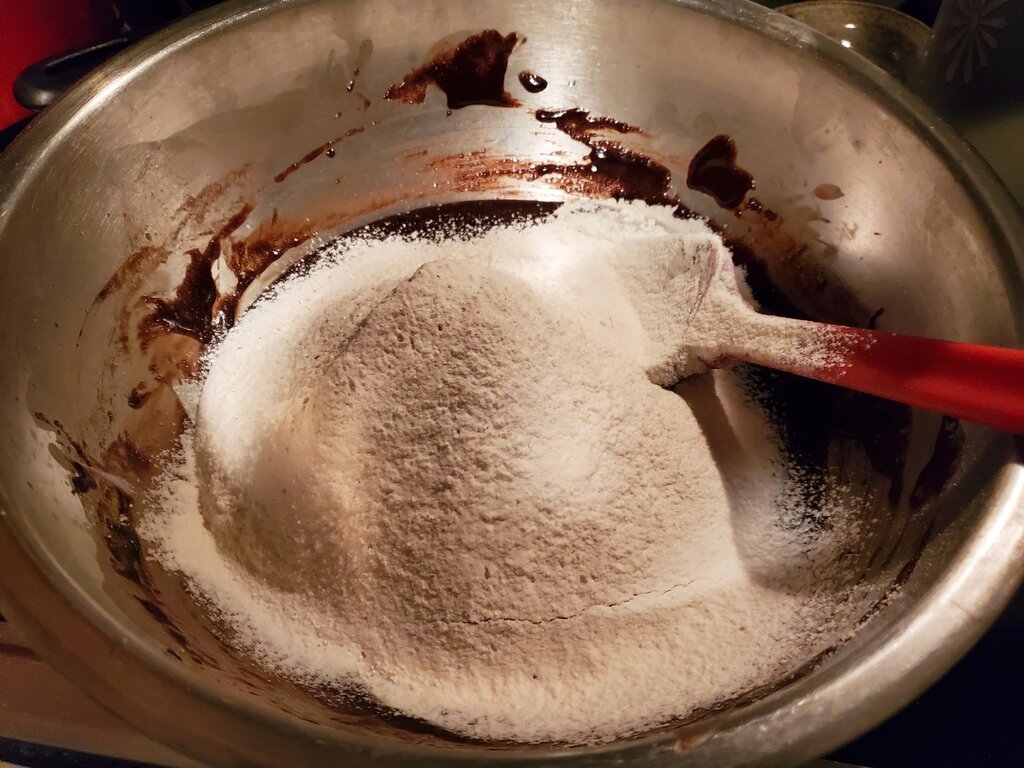
Finally, a touch of salt and sugar round out the recipe. Salt is essential for enhancing all the other flavors. Sugar adds a hint of sweetness and also helps the biscuits brown nicely in the oven. Even savory biscuits usually benefit from a small amount of sugar to balance the flavors.
If your goal is to bake the most tender, delicate biscuits possible, which type of flour would be the best choice?
What is the primary reason for keeping fat cold when making biscuit dough?