Baking Gingerbread Men
Understanding Gingerbread
A Spicy Start
Gingerbread's story begins long before it became a holiday staple. The first known recipe for gingerbread came from Greece in 2400 BC, but the version we know today traces its roots to 15th-century Europe. Crusaders returning from the Middle East brought back ginger and other spices, which were quickly adopted by cooks and bakers.
Early gingerbread was often a dense, spiced honey cake, not the crisp cookie we're used to. It was sold at medieval fairs and festivals, sometimes shaped into animals, flowers, or kings and queens. These treats, known as "fairings," were often decorated with gold leaf, making them special gifts.
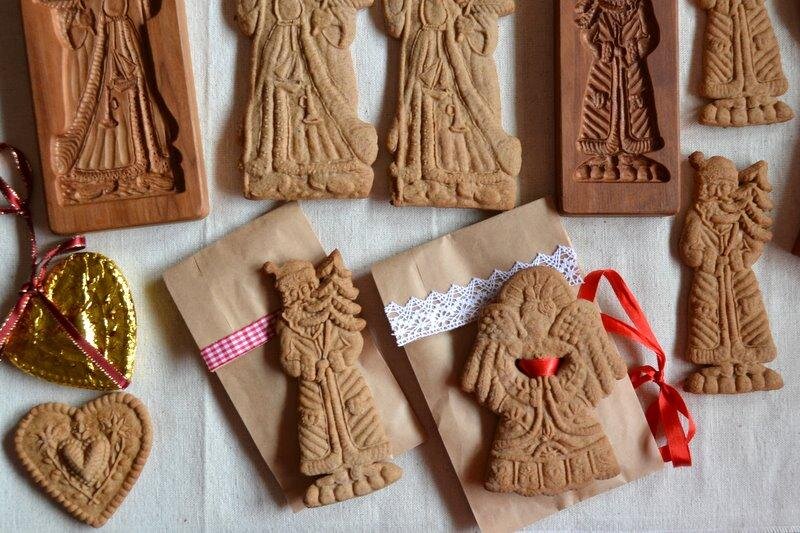
Gingerbread's association with winter holidays has a practical origin. Spices like ginger, cinnamon, and cloves were believed to have a warming effect on the body, making them popular ingredients during the cold months.
“The popularity of gingerbread during the holidays can, at least in part, be attributed to the belief that spices heated you up in the winter,” says Michael Krondl, author of Sweet Invention: A History of Dessert.
The Gingerbread Man
The iconic gingerbread man shape has a royal history. Queen Elizabeth I of England is often credited with the idea. She had her royal gingerbread maker create cookies in the likeness of visiting dignitaries and members of her court. It was a clever and delicious form of flattery.
From there, the tradition grew. Gingerbread men became popular figures in folklore and literature, solidifying their place as a beloved, recognizable treat. They were no longer just for royalty but for everyone to enjoy.
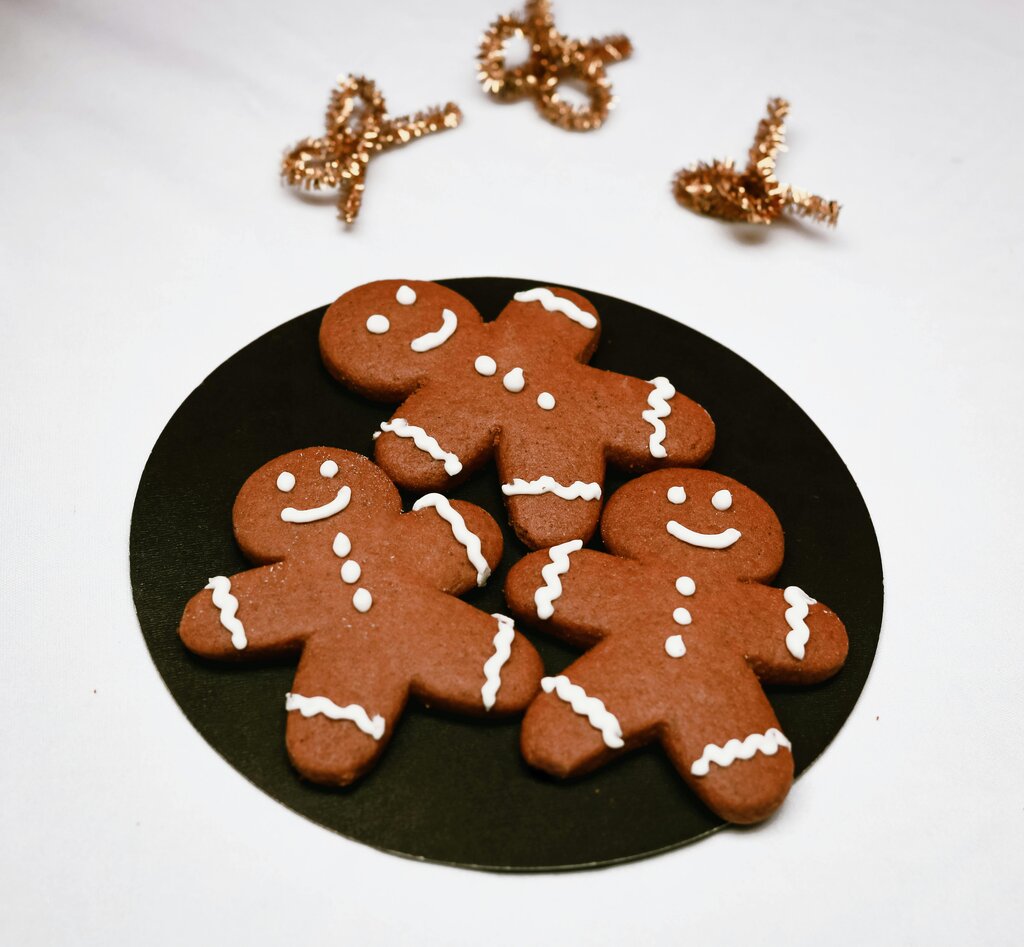
The act of making and decorating these cookies soon became a cherished family tradition, especially around Christmas. It was an activity that brought people together, creating memories alongside sweet treats.
A Sweet Structure
The gingerbread house is a more recent, yet equally beloved, tradition. Its popularity soared in the early 1800s after the Brothers Grimm published their story collection, which included "Hansel and Gretel." The tale of two children discovering a house made of cake and candy captured the public's imagination.
German bakers began creating festive gingerbread houses decorated with icing and sweets, a tradition that soon spread across Europe and to America. These edible structures became centerpieces of Christmas celebrations.
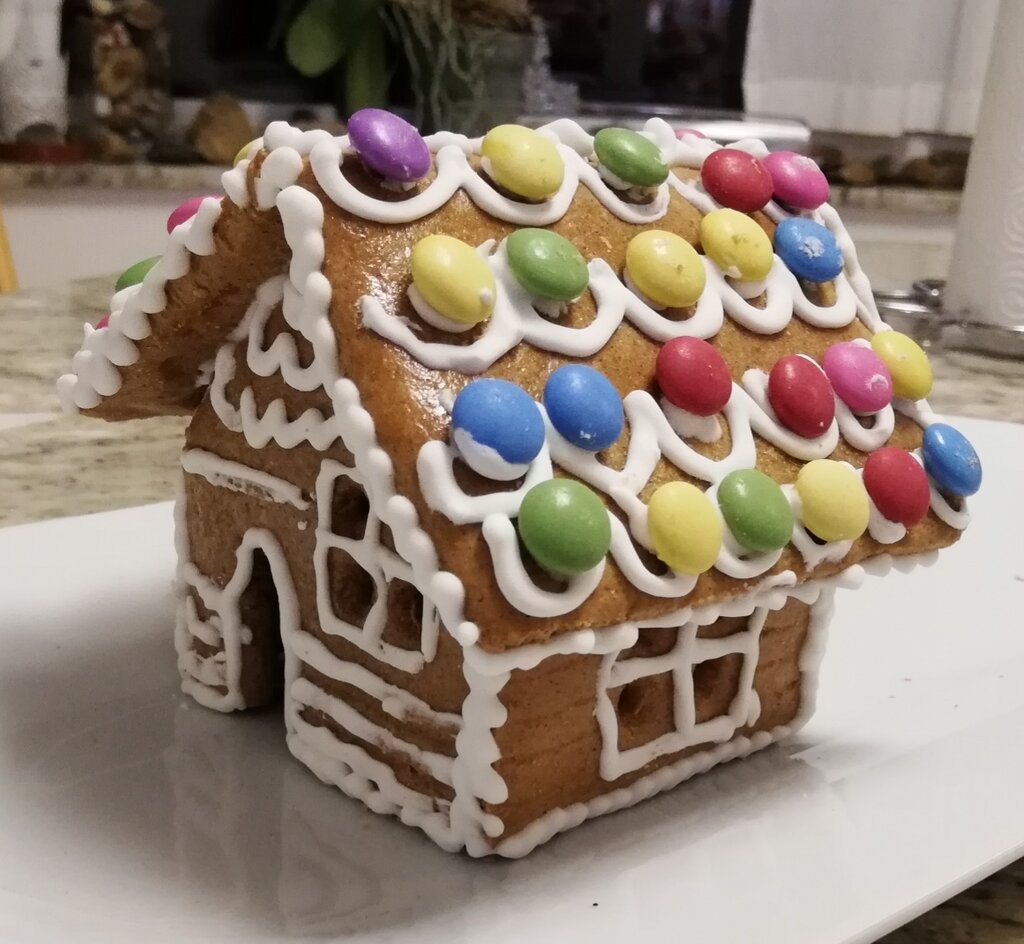
The gingerbread house has thus become a tangible connection to the fantastical world of fairy tales, blending culinary artistry with the enduring charm of storytelling.
Now, let's review what we've learned.
Time to check your knowledge.
Where did the first known recipe for gingerbread originate?
Which historical figure is credited with popularizing the gingerbread man shape?
From spiced cakes at medieval fairs to the elaborate houses of today, gingerbread has a long and fascinating history woven into our cultural traditions.