Baking Delicious Muffins From Scratch
Muffin Ingredients Explained
The Building Blocks of Muffins
Every great muffin starts with the same core cast of characters. It’s not just about a recipe; it’s about understanding what each ingredient brings to the party. Knowing the roles of the dry and wet components is the first step toward moving beyond simply following instructions to truly baking with confidence.
The Dry Team: Structure and Lift
Think of the dry ingredients as the architects of your muffin. They build the structure, provide the lift, and balance the overall flavor profile. Getting these proportions right creates the foundation for a perfect crumb.
Flour: Flour is the foundation of most baked goods.
All-purpose flour is the go-to for muffins because it has a moderate protein content. When mixed with liquid, these proteins form an elastic network called , which traps the gases created by leaveners. This network provides the muffin's structure, preventing it from collapsing into a dense puck. The key is to mix just enough to form the structure but not so much that the muffins become tough.
Next up is granulated sugar. Its most obvious job is to add sweetness, but it's a multi-talented ingredient. Sugar crystals cut into fat during mixing, creating tiny air pockets that contribute to a lighter texture. It also attracts and holds onto water, which keeps muffins moist and extends their freshness. Finally, it helps the tops of your muffins achieve that perfect golden-brown color through caramelization.
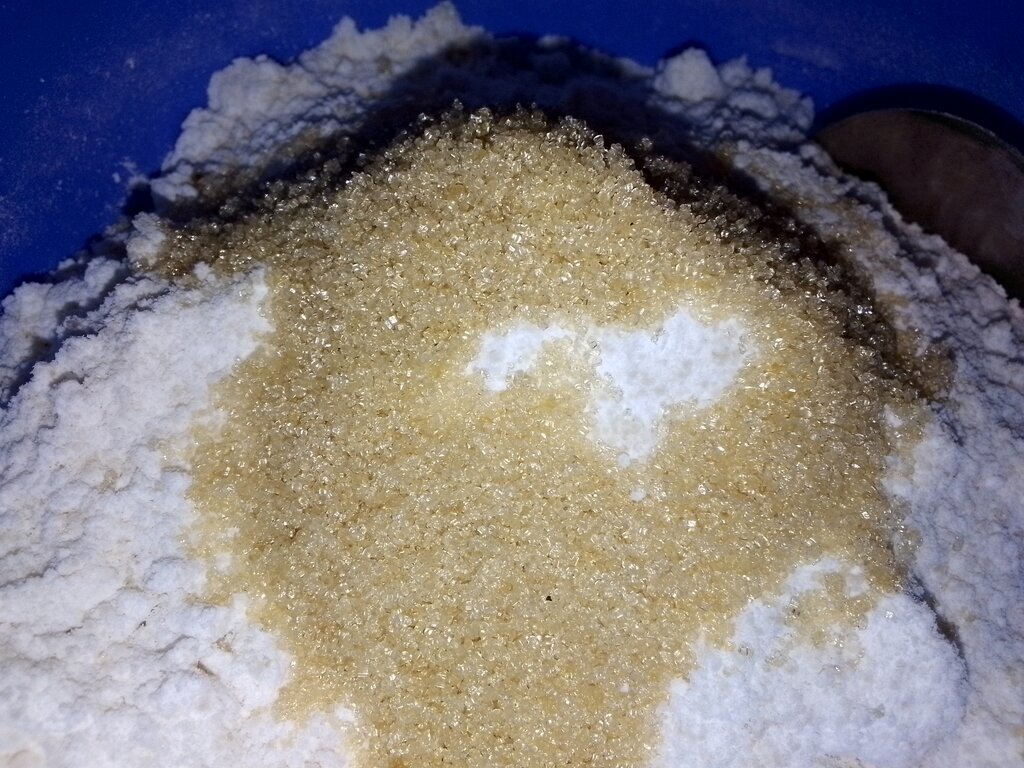
To get that signature fluffy rise, we need leaveners. Muffins typically use chemical leaveners like baking powder or baking soda. They work by creating carbon dioxide gas bubbles in the batter, which expand when heated in the oven, causing the muffin to rise.
Baking soda is pure sodium bicarbonate. It's an alkali that needs an acid (like buttermilk, yogurt, or lemon juice) to react and produce CO₂. If your recipe includes an acidic ingredient, you'll likely see baking soda.
Baking powder is a complete package: it contains sodium bicarbonate plus an acid (like cream of tartar) and a starch to absorb moisture. Because the acid is already included, it's often used in recipes that don't have other acidic ingredients. Many recipes use both to provide an initial lift from the soda-acid reaction and a sustained rise in the oven from the 's double-acting properties.
Finally, don't forget salt. It might seem minor, but salt is a crucial flavor enhancer. It doesn't just make things salty; it balances sweetness and brings out the subtle flavors of the other ingredients, like butter and vanilla. It also plays a role in strengthening the gluten structure slightly.
The Wet Team: Moisture and Richness
If dry ingredients are the frame, wet ingredients are what fill it out, providing moisture, richness, and tenderness. They bind everything together and are responsible for the final texture and mouthfeel of the muffin.
Milk or buttermilk is the primary source of moisture. It hydrates the flour, allowing gluten to form, and dissolves the sugar and salt. The fat in milk also contributes to a softer, more tender crumb. Buttermilk, being acidic, is often paired with baking soda to create a very tender texture and a subtle tangy flavor.
Eggs wear many hats. They add moisture and richness, especially from the fatty yolk. The proteins in eggs coagulate, or set, when heated, adding to the muffin's structure. Eggs also act as , helping the fat and liquid in the batter stay mixed together, which results in a smooth, uniform texture.
Fat, whether it's melted butter or oil, is essential for a tender muffin. It works by coating the flour particles, which shortens the gluten strands and inhibits their development. This process, known as "shortening," is what makes the final product soft and less chewy. Butter adds a rich, distinct flavor, while a neutral oil (like canola or vegetable) will produce a moister muffin with a more even crumb because it remains liquid at room temperature.
The choice between butter and oil is a trade-off: butter offers superior flavor, while oil often yields a moister, more tender texture.
A Note on Preparation
Knowing the ingredients is only half the battle. How you treat them matters just as much. Always use the freshest ingredients possible. Old baking powder loses its potency, and fats can go rancid, imparting off-flavors.
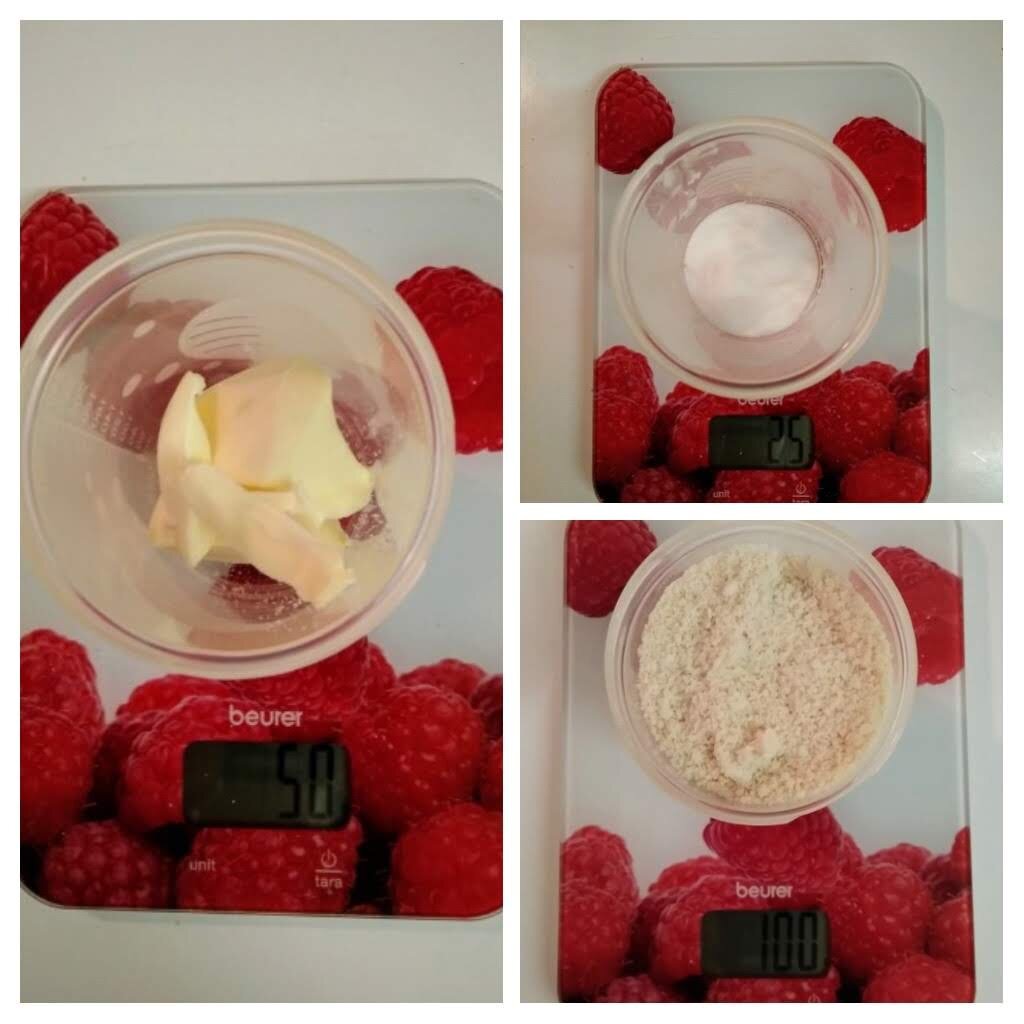
Accurate measurement is also non-negotiable in baking. While cooking allows for improvisation, baking is a science. For the most consistent results, weighing your dry ingredients with a digital scale is far more accurate than using measuring cups. When using cups, the 'scoop and level' method is standard: use a spoon to fill the cup, then level the top with a straight edge. This prevents packing too much flour into the cup, which can lead to dry, dense muffins.
Ready to test your knowledge? Let's see what you've learned about the building blocks of a great muffin.
What is the primary function of gluten in a muffin batter?
Besides adding sweetness, what is another important role of granulated sugar in muffins?
With a solid understanding of these core components, you're ready to start combining them to create delicious muffins.