Baking Basics Cake Mix Creation
Introduction to Baking Chemistry
Baking is Chemistry
When you slide a pan of batter into the oven, you're not just cooking. You're kicking off a series of complex chemical reactions. Baking transforms simple ingredients like flour, sugar, and eggs into a completely new substance with its own unique structure, flavor, and aroma. Understanding the chemistry behind this transformation is the first step to mastering the craft.
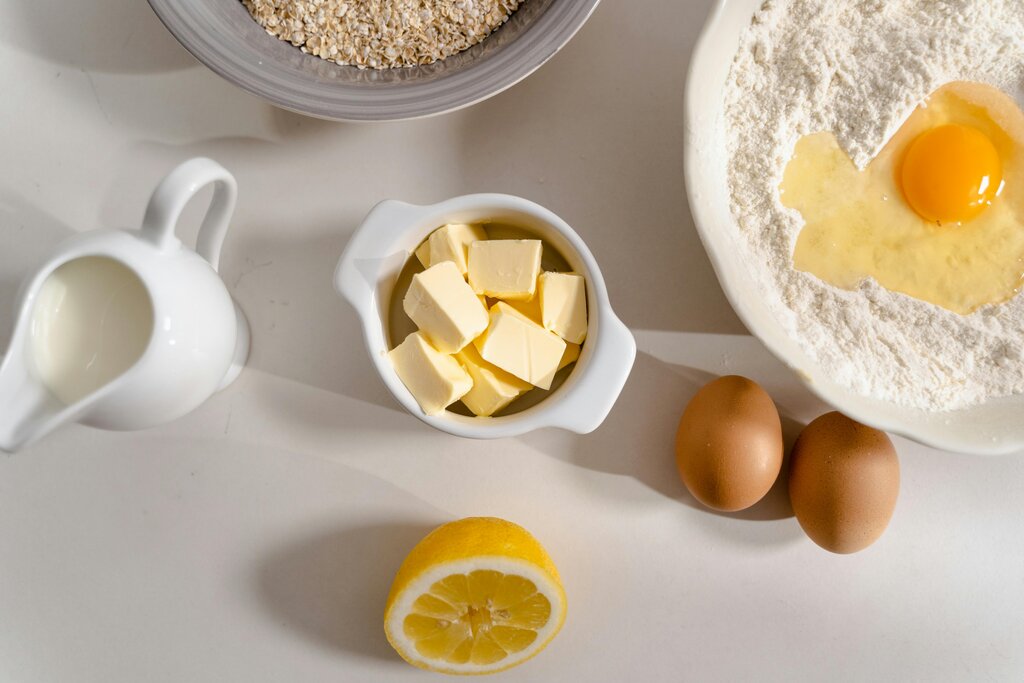
At its core, baking is about managing these reactions. Every ingredient has a job to do, and they all interact with each other in predictable ways. This is why precision is so important. A little too much of one ingredient or not enough of another can throw the entire chemical balance off, leading to a flat cake or a tough cookie.
Heat Changes Everything
Heat is the catalyst for most of the magic in baking. It provides the energy needed to get the chemical reactions started. As the temperature of your batter rises, several things begin to happen almost at once.
First, fats melt and leavening agents like baking powder release carbon dioxide gas. These gas bubbles get trapped within the batter, causing it to rise. At the same time, the proteins from eggs and flour begin to unwind and link together, forming a solid structure around those air pockets. This process, called coagulation, is what turns a liquid batter into a spongy, solid cake.
Heat provides the energy that transforms a wet mixture into a structured, airy solid.
The Flavor Reaction
One of the most important chemical events in baking is the Maillard reaction. This isn't one single reaction, but a whole cascade of them. It's responsible for the beautiful browning on the crust of bread and the complex, toasty flavors we associate with baked goods.
Maillard reaction
noun
A chemical reaction between amino acids (from proteins) and reducing sugars that gives browned food its distinctive flavor and color.
The reaction kicks in when the surface temperature of your food reaches about 280°F (140°C). At this point, the amino acids and sugars on the surface begin to react, creating hundreds of new aroma and flavor compounds. It’s what distinguishes a pale, doughy cookie from a golden-brown, delicious one.
While the Maillard reaction is happening on the outside, another process called caramelization can also occur. Caramelization is simply the browning of sugar, and it produces different, nuttier, and sweeter flavor compounds. Often, both reactions happen together, creating a rich tapestry of taste and smell.
What is the primary role of heat in the baking process?
The process where proteins from eggs and flour unwind and link together to turn a liquid batter into a solid structure is called:
These are just the fundamental chemical principles at play. Every time you bake, you're running a delicious experiment, and knowing the science helps you control the outcome.