Baking a Moist Cake
Understanding Cake Ingredients
The Building Blocks of a Cake
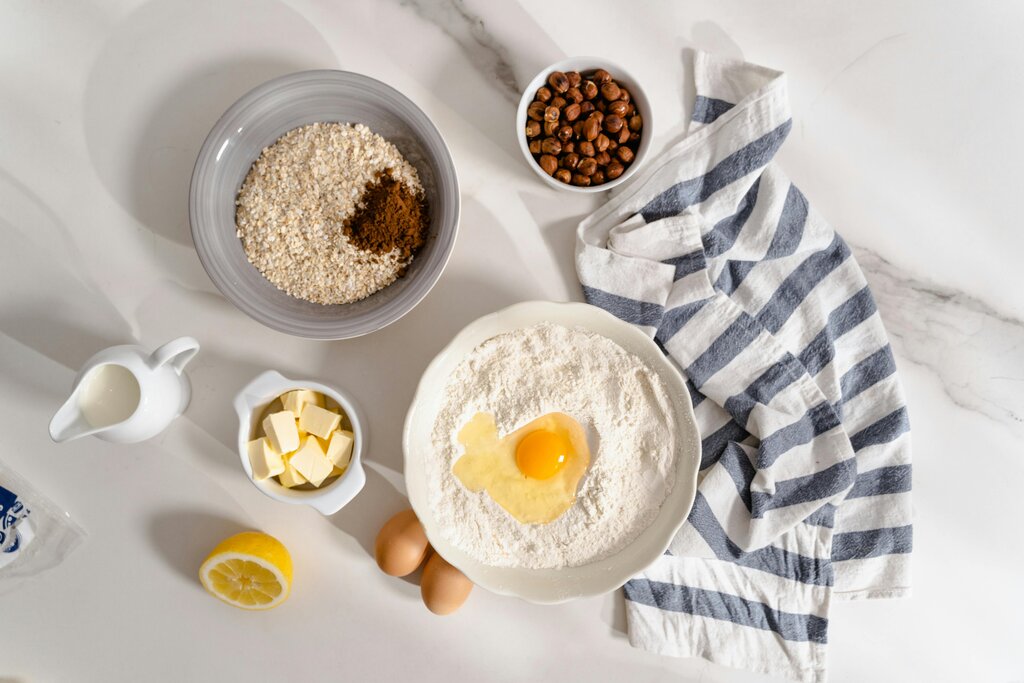
Every great cake starts with the same core ingredients. Think of them as a cast of characters, each with a specific job. Understanding their roles is the first step to baking a cake that's moist, tender, and delicious every time. It’s less about a secret recipe and more about knowing how these simple components work together.
Fresh, high-quality ingredients are the foundation of any great cake.
Flour and Eggs
Flour provides the main structure of a cake. When mixed with liquid, proteins in the flour called glutenin and gliadin link up to form gluten. This elastic network traps air bubbles and gives the cake its shape and chewiness. But for a tender cake, you don't want too much gluten development.
That's why the type of flour matters. Cake flour has a low protein content, which creates a fine, delicate crumb. All-purpose flour has more protein, resulting in a sturdier structure. For most cakes, especially light and airy ones, cake flour is the superior choice.
| Flour Type | Protein Content | Best For |
|---|---|---|
| Cake Flour | Low (7-9%) | Spongy, light cakes |
| All-Purpose Flour | Medium (10-12%) | Sturdier cakes, muffins |
Eggs are the other key structural ingredient. They do a little bit of everything. The proteins in egg whites provide structure when they cook, while the yolks add fat, richness, and flavor. Eggs also act as an emulsifier, helping the fats and liquids in the batter mix together smoothly.
Fats, Sugars, and Liquids
While flour and eggs build structure, fats and sugars work to tenderize it. Fats, like butter or oil, coat the flour particles and shorten the gluten strands. This is what prevents the cake from becoming tough.
- Butter provides a rich, creamy flavor and helps with leavening when creamed with sugar.
- Oil is pure fat, so it makes cakes exceptionally moist, often more so than butter.
Sugar does more than just add sweetness. It's hygroscopic, which means it attracts and holds onto water. This unique property is a secret to a moist cake, as it locks moisture into the crumb. Sugar also helps create a tender texture by interfering with gluten formation and protein coagulation.
While the eggs and flour build up the sturdy gluten structure, the fat and sugar weakens it to keep cakes tender and soft.
Finally, liquids hydrate the flour, dissolve the sugar, and activate the leavening agents. Milk is a common choice, adding flavor and nutrients. Buttermilk is acidic and reacts with baking soda to create a very soft, tender crumb.
The Lift
Leavening agents create the air bubbles that make a cake light and fluffy. Without them, you'd have a dense, flat puck. The two most common are baking powder and baking soda.
Baking soda is pure sodium bicarbonate. It's a base, so it needs an acidic ingredient in the recipe (like buttermilk, lemon juice, or brown sugar) to react with. When it reacts, it releases carbon dioxide gas, which makes the batter rise.
Baking powder is a convenient mix of baking soda, an acid (like cream of tartar), and a stabilizer (like cornstarch). Because it already contains an acid, it only needs moisture and heat to work. Many recipes use baking powder for a reliable rise.
The key is balance. Too much leavening can cause a cake to rise too quickly and then collapse, while too little results in a heavy, dense texture.
Time to test your knowledge on these cake-baking fundamentals.