Bakery Business Plan Blueprint
Introduction to Bakery Business Planning
Your Bakery's Blueprint
Before you bake the first croissant or frost the first cupcake, you need a recipe. Not for your signature scone, but for your business itself. This recipe is your business plan. It's a written document that acts as a blueprint, guiding you from a delicious idea to a thriving bakery.
Think of it this way: you wouldn't start throwing flour, eggs, and sugar into a bowl without knowing what you're making. A business plan serves the same purpose. It forces you to think through every detail, from your target customers to your startup costs. It helps you anticipate challenges, spot opportunities, and make smart decisions. More importantly, if you need to borrow money from a bank or attract investors, they will want to see this plan. It proves you've done your homework.
A good business plan guides you through each stage of starting and managing your business.
The Main Ingredients
A solid bakery business plan has several key sections, each one building on the others. Let's look at the most important ones.
Executive Summary: This is a short, powerful overview of your entire plan. It's the first thing people read, but you should write it last. It hits the highlights: your bakery's mission, what you'll sell, your target customers, and a snapshot of your financial goals. It needs to be compelling enough to make someone want to read the rest.
Market Analysis: Who are you selling to, and who are you competing against? This section shows you understand your local market. You'll describe your ideal customer. Are they busy commuters grabbing coffee and a pastry, or families looking for a custom birthday cake? You’ll also look at other bakeries or cafes in the area. What do they do well? Where are the gaps you can fill?
Financial Projections: This is where you talk about the money. You don't need to be an accountant, but you do need to be realistic. This section estimates your startup costs (rent, ovens, ingredients) and projects your sales and profits for the first few years. It's your best guess at how much money you'll need and how much you can make.
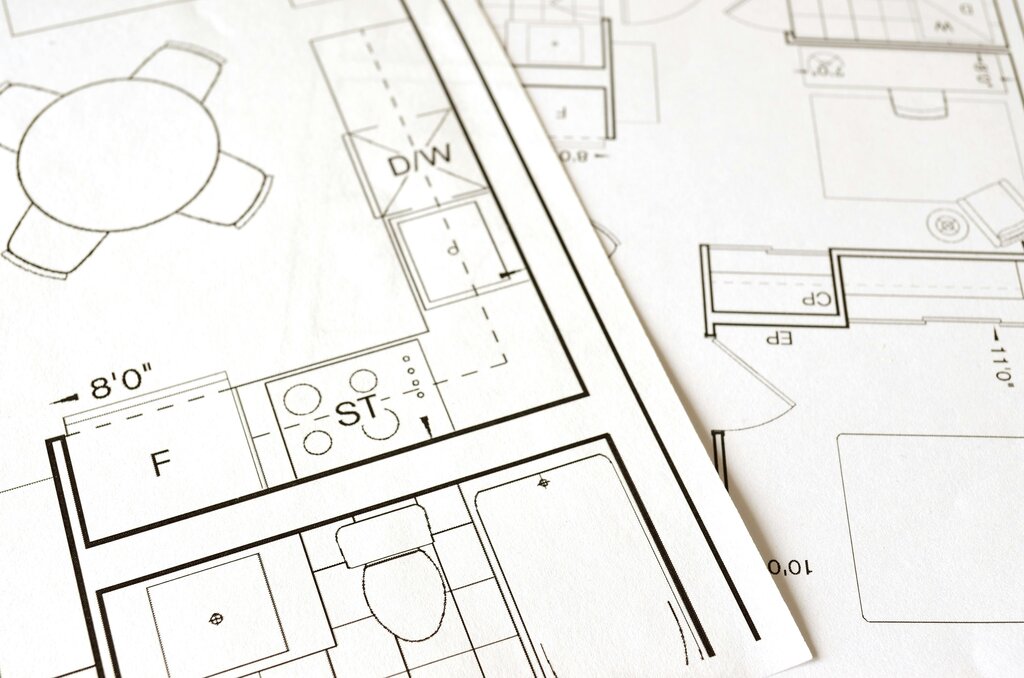
Operational Details: This is the 'how-to' of your bakery. It describes the day-to-day nuts and bolts. Where will your bakery be located? What's the layout? What equipment will you need? Who will be on your team? It also covers your menu, detailing what you plan to sell and why.
How It All Works Together
These sections aren't standalone documents. They are interconnected and influence one another. Your market analysis, for example, directly impacts your financial projections. If you discover a huge demand for gluten-free products in your neighborhood, you can project higher sales for those items.
Similarly, your operational plan feeds into your financial needs. The cost of a prime downtown location versus a quiet side street will drastically change your startup budget. Your choice of high-end espresso machine will show up as a line item in your expenses. Every decision connects, and the business plan is the tool that shows you those connections, creating a single, coherent strategy for success.
Ready to test your knowledge on the building blocks of a great bakery business plan?