Bake Your First Cake
Understanding Cake Ingredients
The Building Blocks of a Great Cake
Every ingredient in a cake recipe has a job to do. Think of it like a construction crew. Each worker has a specific task, and when they all work together, you get a beautiful, stable structure. Let's meet the key players and see what roles they play.
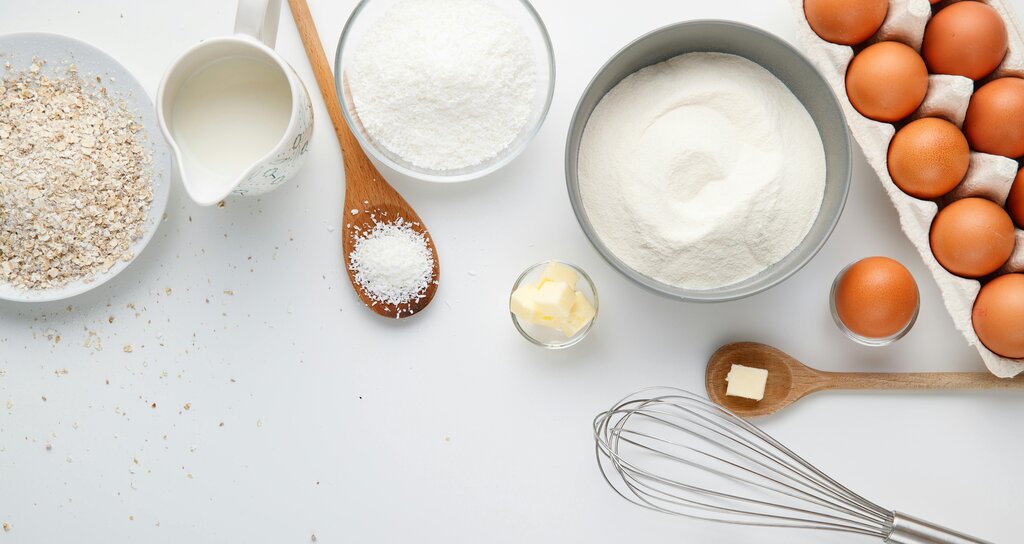
First up is flour, the foundation of the cake. When mixed with liquid, proteins in the flour called glutenin and gliadin link up to form gluten. This network of gluten strands creates the cake's structure, trapping air bubbles and giving it a sturdy framework. Without flour, a cake would just be a sweet, runny puddle.
Most cake recipes call for all-purpose flour, but some use cake flour, which has a lower protein content. Less protein means weaker gluten development, resulting in a cake with a finer, more tender crumb.
Flour provides the skeleton of the cake, giving it shape and structure.
Next is sugar. Its most obvious job is to make the cake sweet, but it's a multitasking ingredient. Sugar is hygroscopic, meaning it attracts and holds onto water. This keeps the cake moist and fresh for longer.
It also plays a key role in texture. During the creaming process, sharp sugar crystals cut into fat like butter, creating tiny air pockets. These pockets expand in the oven, helping the cake rise. Sugar also tenderizes the cake by interfering with gluten development, preventing the final product from becoming tough.
Creating Tenderness and Rise
Fats, like butter or oil, are essential for a tender, flavorful cake. They work by coating the flour particles, which shortens the gluten strands and prevents them from becoming too tough. This is why fats are often called “shortening.”
Butter is a popular choice for its rich flavor and its role in leavening. When you cream butter and sugar together, you're whipping air into the mixture, which gives the cake a lift. Oil, being a liquid fat, creates a very moist and tender cake, but doesn't contribute to leavening in the same way as butter.
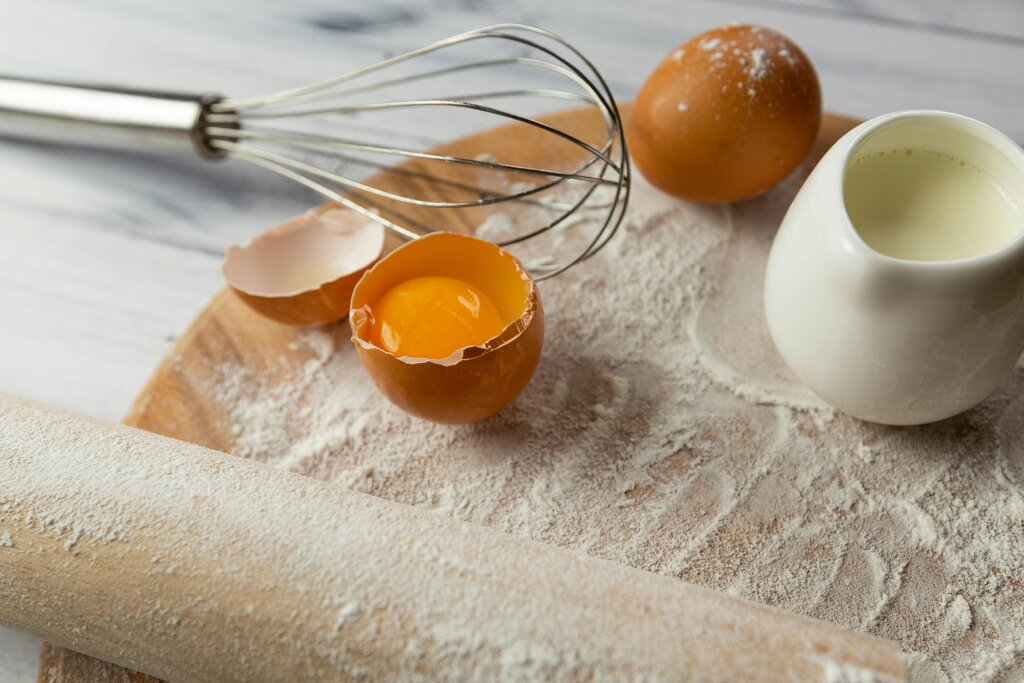
Eggs are the ultimate utility players in a cake batter. The proteins in egg whites provide structure when they set during baking. The fats in the yolks add richness, flavor, and color. Eggs also act as emulsifiers, helping the fats and liquids in the batter mix together smoothly without separating. And when you whip eggs, they trap a huge amount of air, providing significant lift to sponges and angel food cakes.
Liquids, most often dairy products like milk or buttermilk, hydrate the flour, dissolve the sugar, and help activate leavening agents. The fat content in dairy also contributes to a richer flavor and a more tender crumb. Buttermilk, being acidic, is often paired with baking soda to create a chemical reaction that helps the cake rise.
The Science of Lift
Leavening agents are what make a cake light and airy instead of dense and flat. They work by producing carbon dioxide gas, which creates tiny bubbles in the batter. When heated, these gas bubbles expand, causing the cake to rise.
Leavening
verb
The process of adding a gas to a dough or batter to make it rise.
There are two main types of chemical leaveners:
-
Baking soda is pure sodium bicarbonate. It's an alkali, and it needs to react with an acid (like buttermilk, yogurt, or lemon juice) to produce carbon dioxide. The reaction starts as soon as it gets wet, so you need to get the batter in the oven quickly.
-
Baking powder is a convenient mix of baking soda, an acid (like cream of tartar), and a starch to absorb moisture. Most baking powders are “double-acting,” meaning they release a small amount of gas when they get wet and a second, larger burst of gas when they're heated in the oven.
Baking soda needs an acid to work. Baking powder already has the acid included.
Understanding how these ingredients function and interact is the first step toward baking a perfect cake. Each one is a crucial piece of the puzzle.
Which ingredient is primarily responsible for creating the cake's structure by forming a gluten network?
If a cake recipe calls for an acidic ingredient like buttermilk, which leavening agent is most likely paired with it to produce carbon dioxide for lift?