Bake Perfect Brownies
Understanding Ingredients
The Building Blocks of Brownies
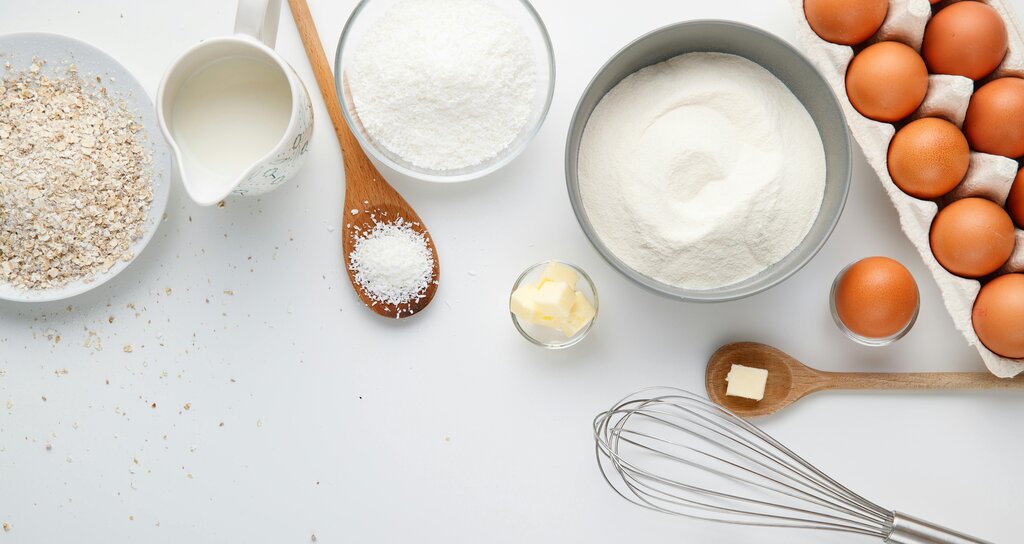
Every great brownie starts with the same core ingredients. It’s how these simple items work together that creates the perfect balance of chocolatey, chewy, and rich. Understanding what each one does is the first step to mastering any recipe. Let's break down the all-star cast: flour, sugar, fat, eggs, and of course, chocolate.
Structure and Sweetness
Flour is the scaffolding for your brownies. The gluten that forms when flour mixes with liquid creates a web that holds everything together, giving the brownie its structure. Without it, you'd have a puddle of chocolate soup. The amount of flour is critical. Too much, and you'll get a dry, cake-like brownie. Too little, and it will be overly dense and greasy.
Sugar does more than just add sweetness. It's a hygroscopic ingredient, which is a fancy way of saying it attracts and holds onto water. This is what keeps brownies wonderfully moist. Sugar also plays a key role in creating that desirable shiny, crackly top. As the brownie bakes, the sugar on the surface dissolves and then recrystallizes, forming a thin, delicate crust.
Sugar isn't just for sweetness. It's the secret to moist brownies and a perfect crackly top.
Fat, Feel, and Flavor
Fat is essential for a rich, tender brownie. The type of fat you use has a big impact on the final texture. Butter adds a rich, dairy flavor and helps create a chewier texture. Oil, on the other hand, doesn't add much flavor but produces a moister, more tender brownie that stays soft for days. Some recipes even use a combination to get the best of both worlds.
Eggs are the ultimate multitaskers. They act as a binder, holding all the other ingredients together in a stable mixture. They also provide leavening, which means they help the brownies rise just a little bit. The fat in the egg yolks adds richness and tenderness, while the proteins contribute to the structure.
| Ingredient | Primary Role | Effect on Texture |
|---|---|---|
| Butter | Flavor & Structure | Chewy, fudgy |
| Oil | Moisture | Tender, cake-like |
| Eggs | Binding & Leavening | Adds richness, structure |
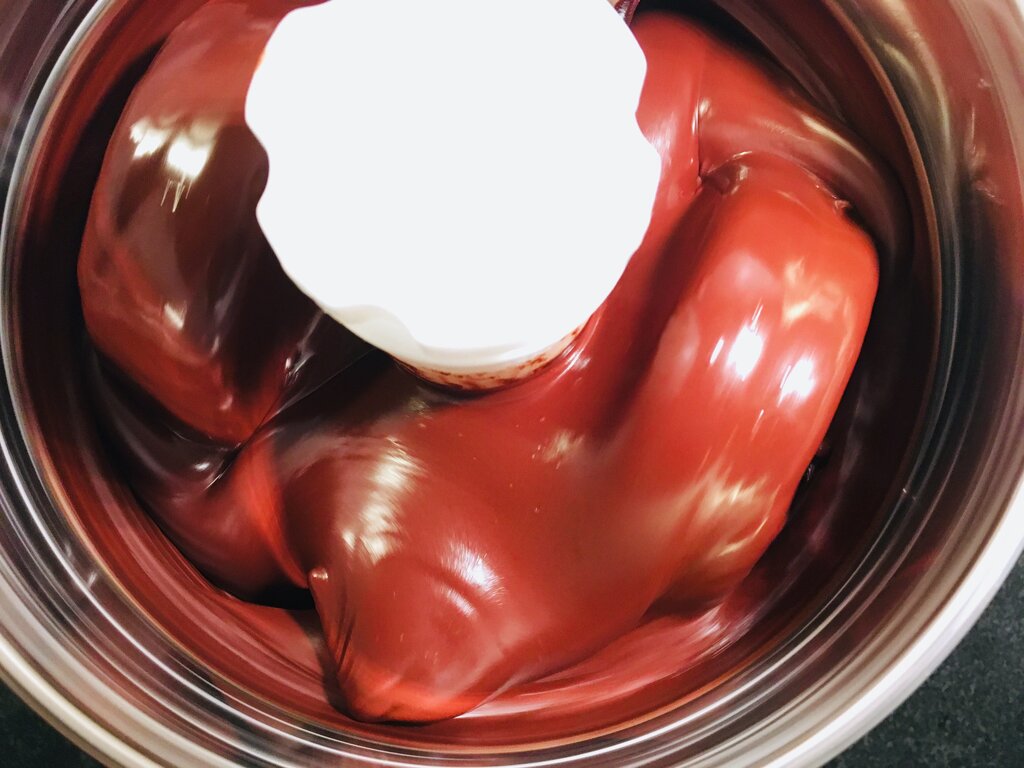
Finally, the star of the show: chocolate. This is where most of the flavor comes from. You can use either unsweetened cocoa powder or melted chocolate. Cocoa powder has a very intense, pure chocolate flavor and tends to absorb moisture, which can make brownies chewier and more dense. Melted chocolate, because it contains cocoa butter, adds richness and fat, leading to a fudgier result.
Let's test what you've learned about these core components.
What is the primary role of flour in a brownie recipe?
Which ingredient is responsible for creating the signature shiny, crackly top on brownies by dissolving and recrystallizing during baking?
With these basics down, you're ready to see how they come together in a real recipe.