Bad Bunny and the New Global Era of Music
Sonic Fusion Strategies
Evolving Past the Trap Formula
Bad Bunny’s early tracks on SoundCloud, like “Soy Peor,” were textbook Latin Trap. They featured the slow, menacing 808 basslines and moody synth melodies that defined the genre. This “trap boomer” sound established him as a major voice, but it was just a starting point. He quickly began to dismantle and rebuild that formula, looking for ways to inject more energy and emotion into his music.
This evolution wasn't accidental. It was a deliberate strategy developed alongside visionary producers, most notably Tainy. Together, they started layering different sonic textures, moving beyond the trap framework to create something that felt both globally resonant and deeply personal. Instead of just rapping over a beat, he began to sing, to experiment with melody, and to pull from a much wider musical palette.
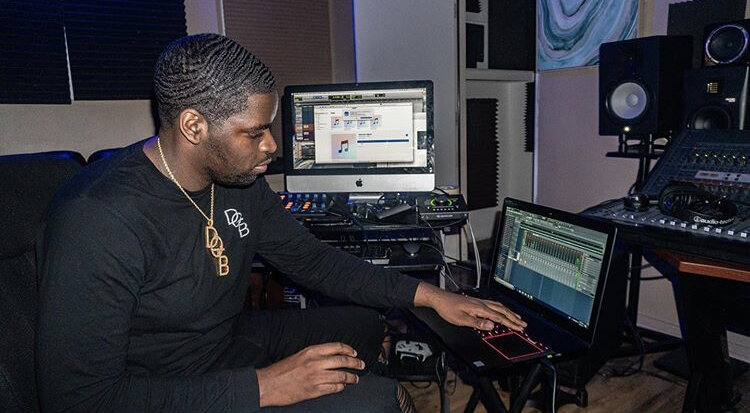
This collaborative chemistry allowed him to fuse the heavy, bass-driven sound of Atlanta trap with the syncopated, dance-focused rhythms of reggaeton. The result was a hybrid sound that could dominate both headphones and dance floors, setting the stage for his breakout success.
A Fusion of Styles
The first major leap in this new direction was his 2018 debut album, X 100PRE. On this record, Bad Bunny veered sharply into alternative genres, incorporating elements of pop-punk, emo, and indie rock. Tracks like "Tenemos que Hablar" feature skate-punk guitar riffs, while "La Romana" famously transitions from a trap beat into a fiery bachata section. This willingness to blend seemingly disparate genres became a hallmark of his artistry.
Beyond rock, he also began weaving traditional Caribbean rhythms into his music. He didn't just sample these sounds; he integrated them into the core structure of his songs. Rhythms like bomba and plena, foundational to Puerto Rican musical heritage, appeared alongside cutting-edge electronic production. This created a 'transversal' sound that connected the island's history with the global pop present.
This blend is built on the rhythmic foundation of dembow, a syncopated pattern that serves as the heartbeat of reggaeton. By layering the heavy 808s of trap music over the infectious pulse of , Bad Bunny created a powerful, versatile sonic template. It's a formula that feels both familiar and entirely new.
The Neoperreo Aesthetic
This unique fusion of sounds gave rise to a new aesthetic often called neoperreo. This subgenre pushes the boundaries of reggaeton, blending it with darker, more experimental electronic sounds. Vocally, Bad Bunny complements this sound with a distinctive deep, slurry baritone. He often sounds relaxed, almost conversational, which creates a stark contrast with the high-energy beats.
Crucially, this entire artistic project was built on a refusal to follow the traditional path for Latin stars: the English-language crossover. While artists of previous generations were often pressured to record in English to reach a global audience, Bad Bunny achieved worldwide fame on his own terms, performing almost exclusively in Spanish.
His success proved that music in Spanish could be mainstream, not just a niche category. He didn't cross over to the global market; the global market crossed over to him.
This strategy reshaped the global music landscape. It showed a new generation of artists that cultural authenticity and commercial success were not mutually exclusive. By centering his Puerto Rican identity and the Spanish language in his music, he created a new blueprint for what a global pop star could be.
What genre best describes Bad Bunny's early tracks on SoundCloud, such as "Soy Peor"?
The fusion of heavy 808s from trap music with the infectious, syncopated pulse of which rhythm became a cornerstone of Bad Bunny's sound?
Bad Bunny's career is a masterclass in sonic innovation, showing how blending diverse influences can create something entirely new.