Backyard Chicken Care Essentials
Choosing Chicken Breeds
Finding Your Flock
Not all chickens are created equal. Some are prolific egg-layers, others are bred for meat, and many are friendly enough to be backyard pets. Choosing the right breed from the start makes a huge difference in how much you'll enjoy raising them. The key is matching a breed's traits to your goals, space, and local climate.
Choosing the best type and breed of chicken for where you live, your lifestyle, and your production goals is an important first step.
Eggs, Meat, or Both?
Before you get lost in the hundreds of available breeds, ask yourself a simple question: what do you want from your chickens? Most breeds fall into one of three categories.
Layers are bred for one thing: eggs. They are often smaller, eat less, and can produce nearly an egg a day. White Leghorns are a classic example, famous for laying the large white eggs you see in supermarkets.
Broilers, or meat birds, are on the other end of the spectrum. They are bred to grow very large, very quickly. The Cornish Cross is the most common meat bird, but they are not a good fit for a typical backyard flock because of their rapid growth and related health issues.
Dual-purpose breeds offer a happy medium. They are large enough to be good meat birds but also lay a respectable number of eggs. For most beginners, this is the perfect place to start. They tend to be sturdy, self-sufficient, and have gentle personalities.
What Makes a Breed Beginner-Friendly?
Beyond their primary purpose, certain traits make some breeds much easier for newcomers to raise. When you're just starting out, prioritize birds that are forgiving and low-maintenance.
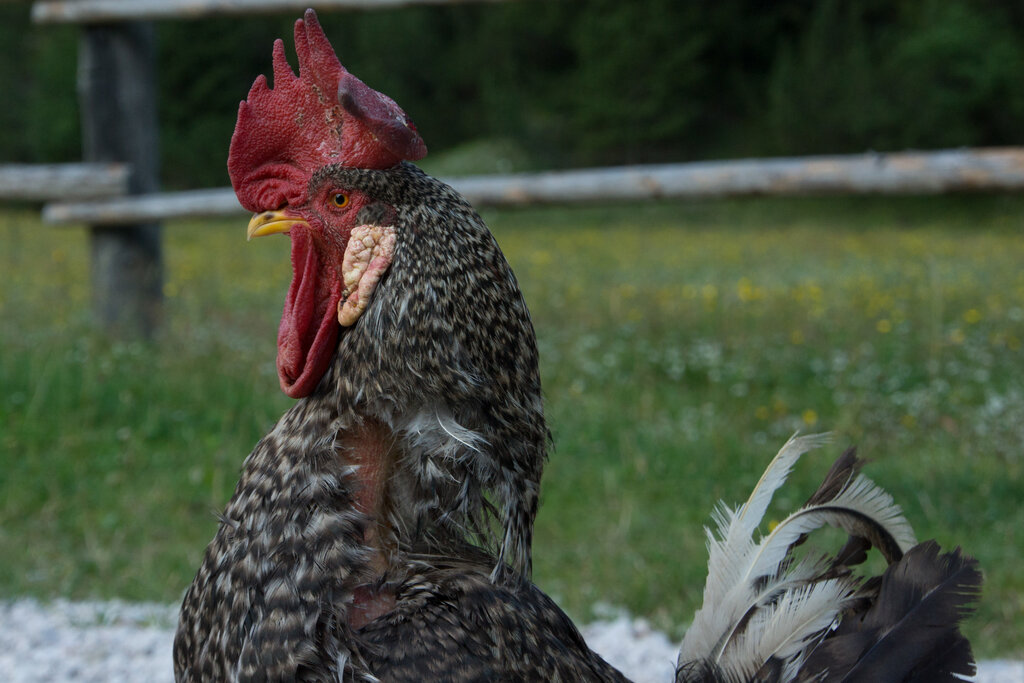
Temperament is huge. A calm, docile chicken is easier to handle, less likely to be aggressive with other birds (or you), and is generally a more pleasant addition to your backyard. Breeds like Orpingtons are famous for being gentle giants, making them great for families with children.
Hardiness and Adaptability are also critical. You want a bird that can thrive in your climate without special care. Some breeds are very tolerant of cold, with small combs that resist frostbite. Others are more suited to heat. A good beginner breed is tough and can handle a range of conditions.
Finally, consider broodiness. A broody hen is one that wants to sit on eggs to hatch them. While this is great if you want to raise chicks, it also means she stops laying. For someone just looking for a steady supply of eggs, a less broody breed might be a better choice.
| Breed | Type | Approx. Eggs/Year | Temperament | Climate Notes |
|---|---|---|---|---|
| Plymouth Rock | Dual-Purpose | 200 (Brown) | Calm, Friendly | Very hardy; good in cold |
| Orpington | Dual-Purpose | 190 (Brown) | Docile, Gentle | Fluffy feathers help in cold |
| Australorp | Dual-Purpose | 250 (Brown) | Calm, Shy | Tolerates heat and cold well |
| Rhode Island Red | Dual-Purpose | 250 (Brown) | Confident, Active | Very hardy and adaptable |
| Leghorn | Layer | 280 (White) | Active, Flighty | Tolerates heat well; larger combs can get frostbite |
The table above highlights a few popular choices. Plymouth Rocks and Orpingtons are fantastic, reliable options for almost any backyard. Australorps hold the world record for egg-laying and are incredibly sweet-natured. Rhode Island Reds are a true classic, known for being tough and productive.
Leghorns are egg-laying machines, but their energetic and sometimes nervous disposition might be more than a beginner wants to handle. It all comes down to what you're looking for.
Ready to test what you've learned about picking the perfect chicken?
A beginner wants a small flock for both a steady supply of eggs and eventually for meat. Which category of chicken best suits their goals?
Which of the following traits is most important when choosing a chicken breed for a family with young children?
Choosing a breed is the first big step. By focusing on friendly, hardy, and productive birds, you'll set yourself up for a rewarding experience with your new flock.