Backtest Distributions for Quant Funds
Introduction to Backtesting
Testing Your Strategy in the Past
Before a hedge fund risks millions on a new trading idea, they need to know if it has a chance of working. They can't see the future, but they can look at the past. This is the core idea behind backtesting.
Backtesting
noun
The process of applying a trading strategy to historical market data to see how it would have performed.
Think of it like a flight simulator for your trading model. Instead of flying a real plane, a pilot uses the simulator to practice handling different situations without any real-world risk. Backtesting does the same for a trading strategy. It runs a simulation to see the potential strengths and weaknesses of a model before any actual money is on the line.
Backtesting is a vital component, allowing managers to validate models against historical data to assess their robustness before deployment.
Using Historical Data
The fuel for this simulation is historical data. This isn't just old stock prices. A thorough backtest uses detailed, timestamped data that includes prices, trading volume, and other relevant market information. The quality of this data is critical; the simulation is only as reliable as the history it's based on.
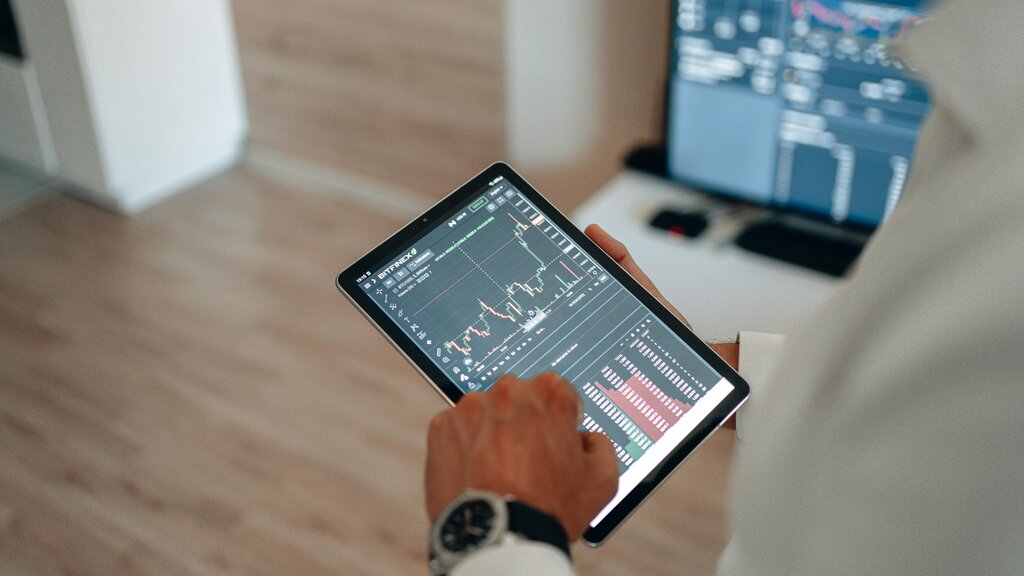
The backtesting software steps through this data chronologically, point by point. At each step, whether it's a minute, an hour, or a day, the model looks at the market conditions and decides what to do based on its pre-programmed rules. Should it buy? Should it sell? Or should it do nothing and wait for a better opportunity?
The system pretends to execute these trades and carefully records the outcome of each decision. It tracks a fictional portfolio, updating its value as simulated trades are opened and closed.
This process mimics real-world trading, but in a controlled environment where the clock can be rewound and the strategy tweaked.
How We Measure Performance
Once the simulation runs through the entire historical period, it's time to evaluate the results. Success isn't just about how much profit the strategy made. A good backtest analyzes performance from multiple angles to build a complete picture of the model's behavior.
Did the strategy produce consistent gains, or was it a wild, unpredictable ride? How often did it make winning trades versus losing ones? What was the largest loss it experienced during the simulation? These are the kinds of questions a quantitative analyst will ask.
| Metric | Strategy A | Strategy B |
|---|---|---|
| Total Return | 18% | 11% |
| Win Rate | 55% | 75% |
| Max Drawdown | -25% | -9% |
Looking at this simple report, Strategy A generated a higher total return. However, it was also much riskier, with a lower win rate and a significant maximum drawdown (the largest peak-to-trough decline). Strategy B, while less profitable overall, was far more consistent and stable. Depending on the fund's goals and risk tolerance, either strategy could be considered superior.
Ultimately, backtesting is a crucial first step. It provides evidence to help decide if a strategy is worth pursuing further or if it should be sent back to the drawing board.