Backcountry Backpacking Essentials
Trip Planning
The Journey Begins at Home
A successful backcountry trip isn't just about what happens on the trail. It starts long before you pack your bag. Proper planning is the difference between a memorable adventure and a preventable ordeal. It ensures you’re safe, respectful of the wilderness, and ready for whatever the journey throws your way.
Know the Rules of the Land
Every wilderness area has its own set of rules. These aren't just suggestions; they're in place to protect the landscape and its inhabitants, including you. Before you go, you need to research the specific regulations for your destination.
Are permits required for overnight stays? Do you need to reserve specific campsites in advance? Many popular areas have quota systems to limit the number of visitors, so you often need to book months ahead. Check for fire restrictions, as they can change rapidly depending on conditions. Also, be aware of group size limits and any specific rules about where you can and cannot camp.
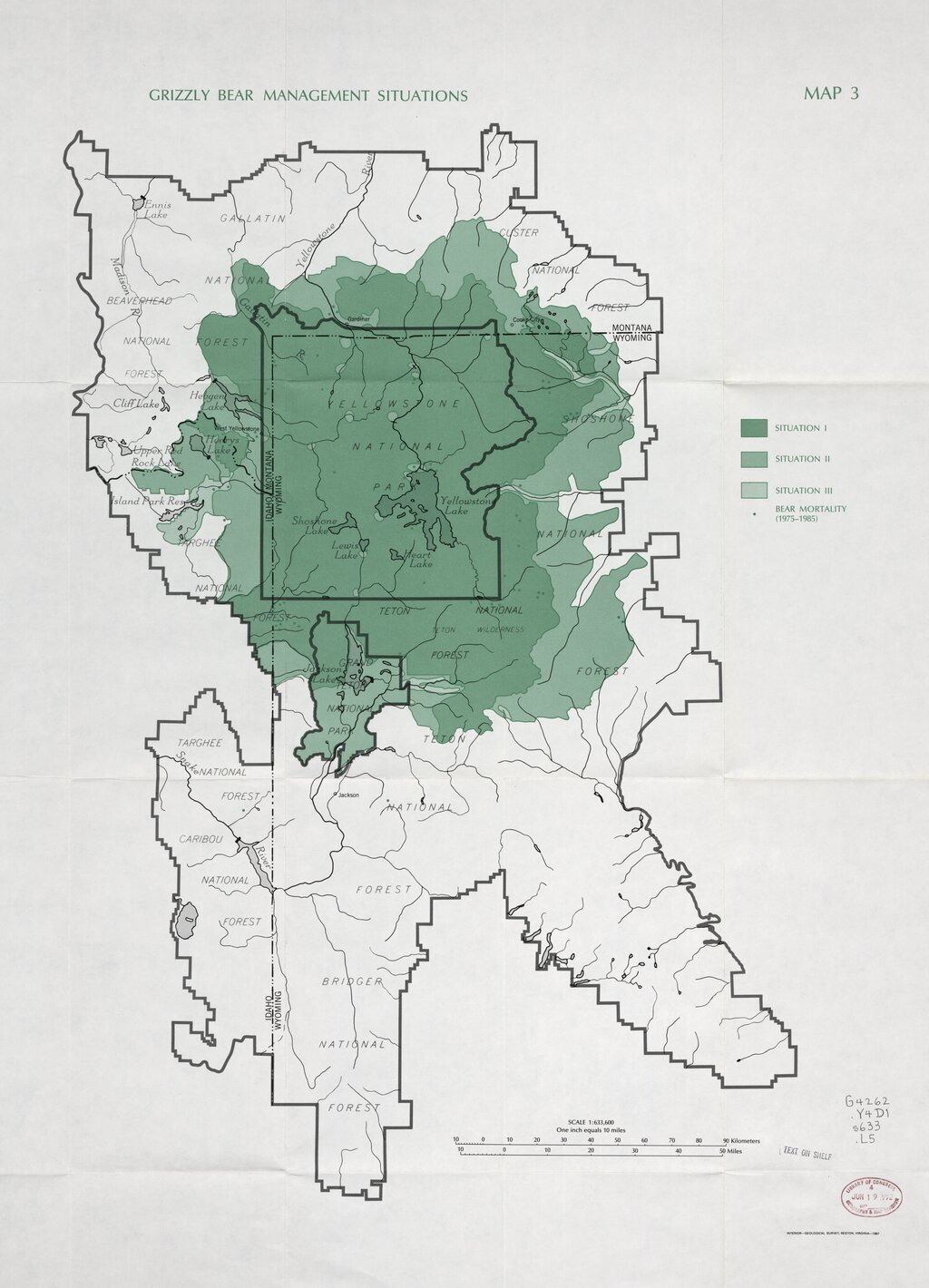
Beyond general rules, look for special concerns unique to the area. This could be anything from sensitive vegetation to wildlife protocols. For example, in bear country, regulations for food storage are strict and non-negotiable. You may be required to carry an approved bear-resistant canister. Understanding these local details is a critical part of responsible backcountry travel.
Prepare for the Unexpected
Weather in the mountains and remote areas can change in an instant. A sunny morning can turn into a windy, rain-soaked afternoon without much warning. Never rely on the forecast from a week out. Check it repeatedly, right up until the moment you leave for the trailhead.
But even the best forecast can be wrong. Your plan must account for the worst possible conditions you might encounter. This means packing layers of clothing, including waterproof rain gear, even if the forecast calls for clear skies. Think about temperature swings, wind, and precipitation.
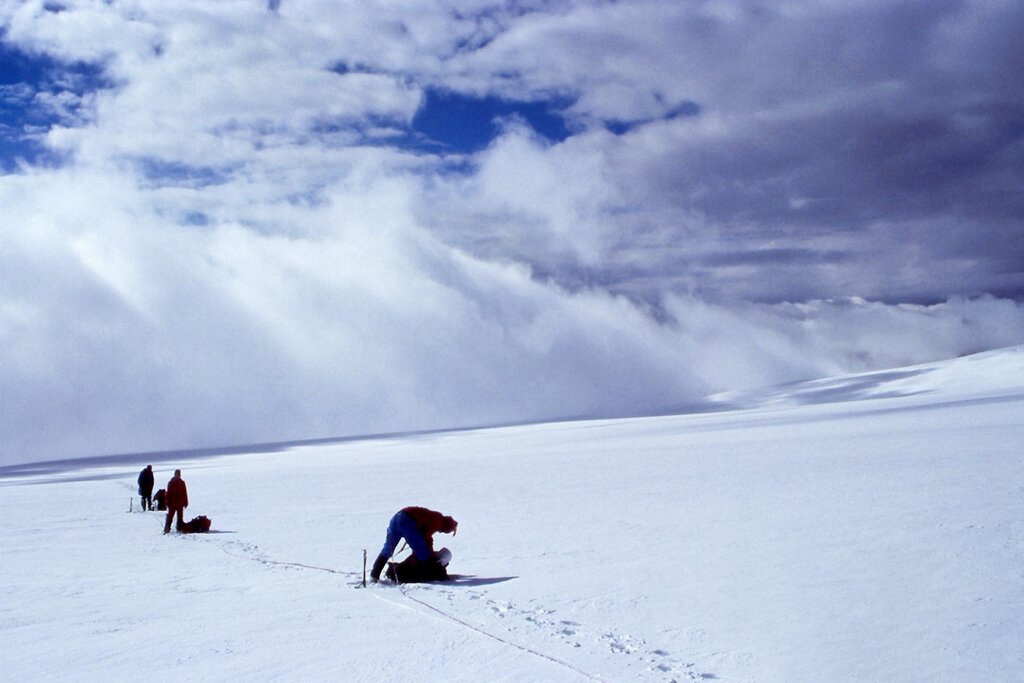
Part of preparing for the unexpected is having an emergency plan. Leave a detailed itinerary with a trusted person at home. This document should include:
- Your planned route, including trail names and intended campsites for each night.
- The start and end dates and times of your trip.
- A description of your vehicle and where it will be parked.
- The names and contact information for everyone in your group.
- A “panic time”—the latest you expect to be back—and clear instructions on who to call if you don't return by then.
When making plans, consider factors like visibility, wind, and temperature so a storm or heatwave doesn't take you and your equipment by surprise.
Timing Is Everything
The most popular trails can feel crowded during peak season and on weekends. Planning your trip for the shoulder seasons (late spring or early fall) or during the week can transform your experience. You’ll find more solitude on the trail and have a better chance of securing sought-after campsites.
Off-peak travel often means dealing with more challenging conditions, like snow patches in the spring or colder nights in the fall, so your preparation must match the season. But the reward is a deeper connection with the wilderness, free from crowds.
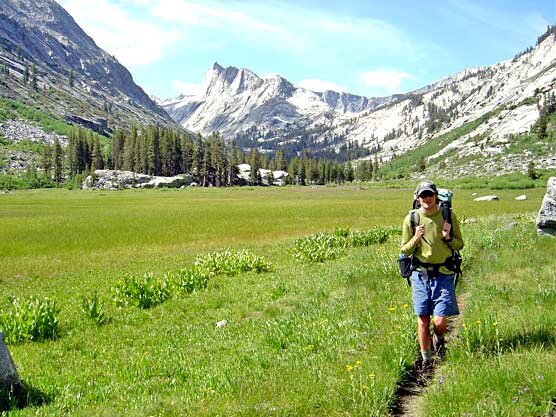
Finally, make sure you are physically ready for the challenge. A 10-mile hike with a heavy pack is much harder than a 10-mile walk in the park. Start a conditioning routine weeks before your trip, focusing on cardiovascular endurance and leg strength. Go on shorter hikes with a weighted pack to get your body used to the load. Being physically prepared not only makes the trip more enjoyable but also reduces your risk of injury and exhaustion.
What is the primary purpose of establishing a "panic time" with a contact back home before a backcountry trip?
When planning for backcountry weather, you should pack clothing based on the forecast for the day you start your hike.
Careful planning is your first and most important piece of gear. With your research done and your plans in place, you're ready for an incredible and safe adventure.