Bachata Basics
Introduction to Bachata
Heartbeat of the Dominican Republic
Bachata is a dance and music style born in the countryside of the Dominican Republic. It started in the early 20th century, growing from the stories and feelings of everyday people. For a long time, it was considered the music of the poor and was looked down upon by the upper classes. The songs often speak of heartbreak, romance, and longing, making it a deeply personal and emotional art form.
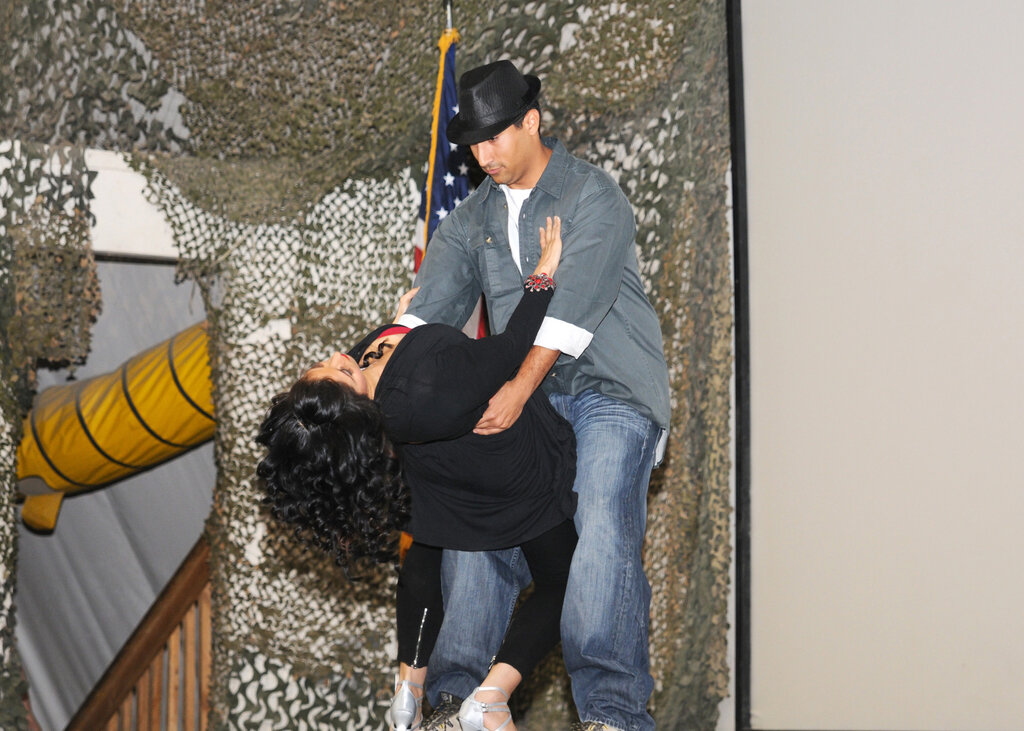
Born in the Dominican Republic, bachata is known for its smooth, romantic feel and hip movements.
Over time, bachata evolved. Artists began to experiment, blending it with other styles and using electric guitars. By the 1990s, it had surged in popularity, spreading from the Dominican Republic to dance floors all over the world. Today, it’s celebrated for its soulful music and sensual dance, a symbol of Dominican culture.
Finding the Beat
At its core, bachata music is straightforward. It’s written in what musicians call 4/4 time. This simply means there are four beats in every measure of music. You can count it out loud as you listen: ONE, two, three, four. ONE, two, three, four. This steady pulse is the foundation for the entire dance.
Several key instruments create the signature bachata sound. You'll hear the bright, melodic lines of a lead guitar, the steady rhythm of a second guitar, and the deep pulse of a bass guitar. The percussion is just as important, with bongos providing a driving beat and the güira adding a sharp, scratching texture.
The Basic Rhythm
The fundamental bachata step is a simple side-to-side motion that follows the four beats of the music. It consists of three steps and a tap. Imagine moving to your left first.
| Beat | Action |
|---|---|
| 1 | Step to the left with your left foot. |
| 2 | Bring your right foot to meet your left. |
| 3 | Step to the left again with your left foot. |
| 4 | Tap your right foot next to your left, without putting your weight on it. This is where you add a little hip lift. |
After the tap on beat four, you repeat the entire sequence in the opposite direction, stepping to the right on beat one. This continuous, flowing movement is the heart of the dance.
Left-together-left-tap. Right-together-right-tap. That's the rhythm you're aiming for.
The tap on the fourth beat is what gives bachata its distinctive look and feel. It’s a moment of punctuation in the music, emphasized with a pop of the hip. Once you feel this simple 1-2-3-tap rhythm, you’re on your way to dancing bachata.
Where did bachata originate, and how was it initially perceived by the upper classes?
What is the basic rhythmic structure of bachata music?
Now that you understand the basics, you're ready to feel the music and try the steps.