Baby Sleep Solutions
Infant Sleep Basics
The Newborn Sleep Puzzle
A newborn’s sleep doesn't look anything like an adult's. For the first few months, sleep happens in short bursts around the clock. Your baby hasn't yet developed a circadian rhythm, the internal clock that tells us when to be awake and when to sleep. Their world is a simple cycle of eating, sleeping, and needing a diaper change, regardless of whether it's 2 PM or 2 AM.
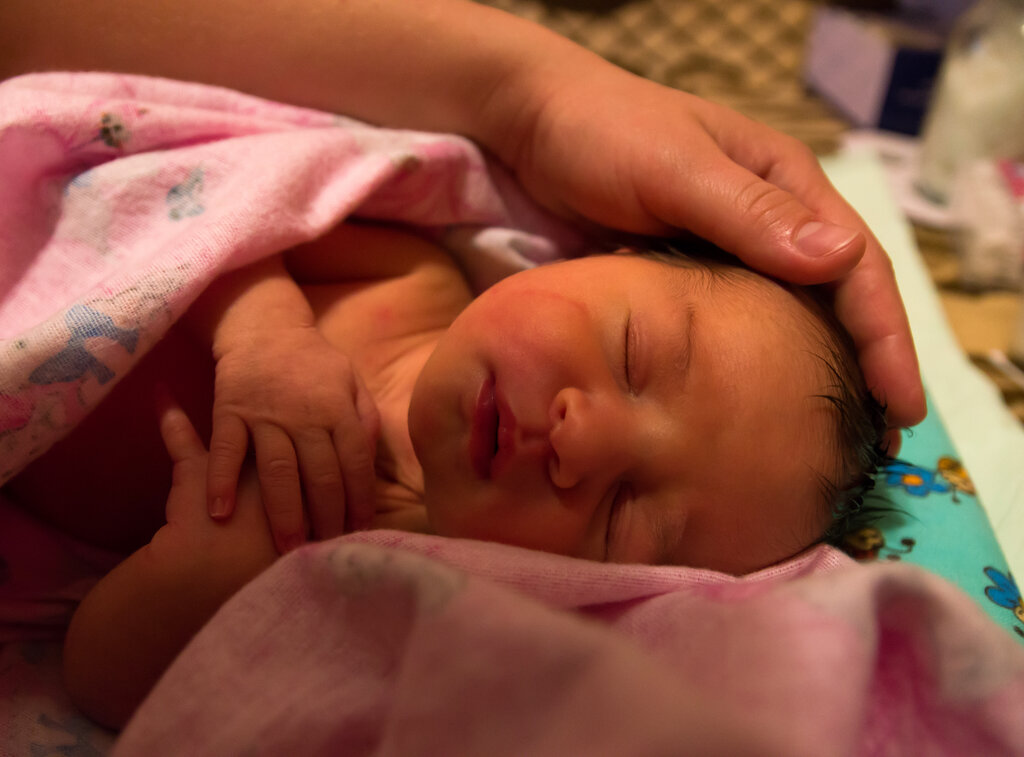
Instead of the clear sleep stages we experience, newborns have two main sleep states: active sleep and quiet sleep. During active sleep, you might see their eyelids flutter, their arms and legs twitch, or even a little smile cross their face. This is similar to REM sleep in adults and is crucial for their rapidly developing brain. They spend about half of their total sleep time in this light, active state.
Quiet sleep is deeper. Their breathing is regular, and they lie very still. This is when their body focuses on physical growth. These two states cycle back and forth in much shorter periods than adult sleep cycles.
Why Sleep Matters So Much
Sleep isn't just downtime for a baby; it’s a critical period of intense development. While they’re snoozing, their brain is hard at work, building the neural connections that form the foundation for learning, memory, and future skills. Think of it as a construction site that operates 24/7, with sleep being the most productive shift.
Physical growth also gets a major boost during sleep. Key growth hormones are released primarily during the deep, quiet sleep phase. This is when their bodies grow longer and stronger. A well-rested baby is also typically a happier and more resilient one, better able to handle the stimulation of their new world.
Good sleep is vital for your baby’s healthy development, influencing their attention, mood, learning, and physical growth.
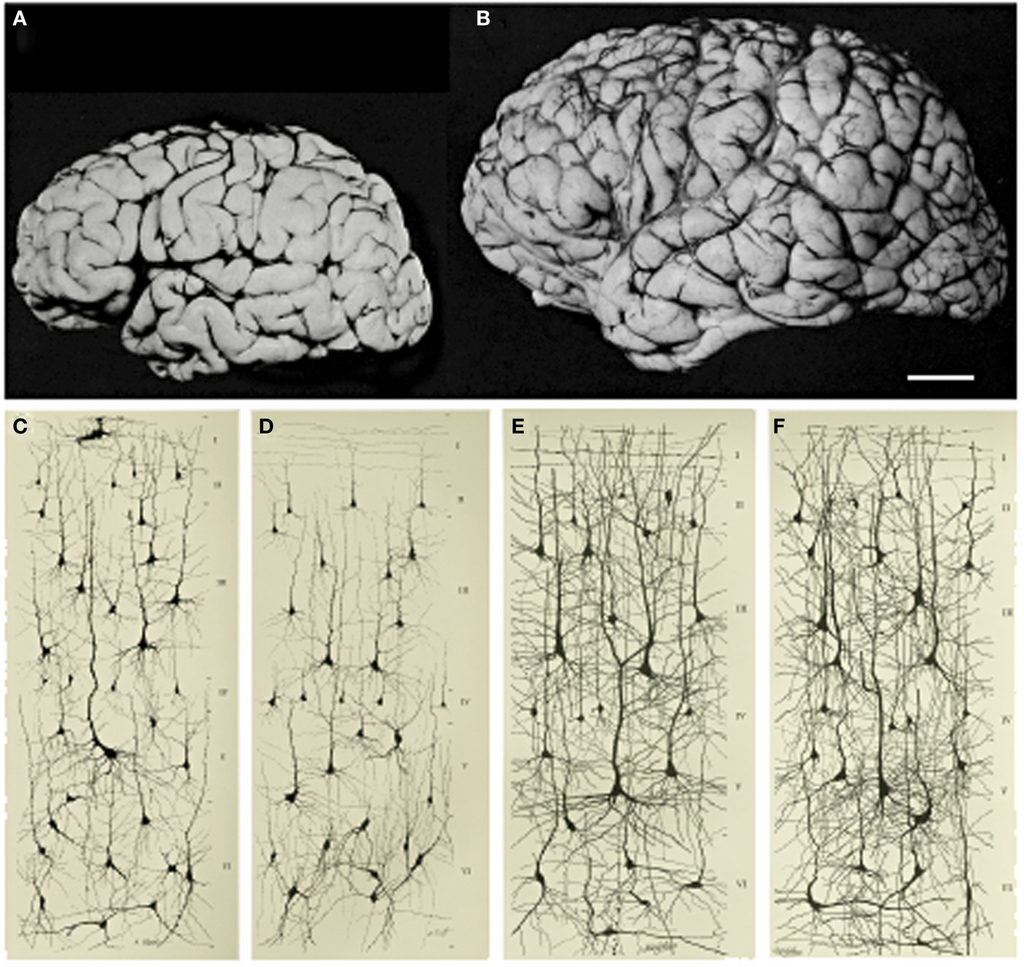
The changes in the brain during the first few years are astounding, and quality sleep fuels this incredible transformation. It helps consolidate everything they learn each day, from the faces of their family to the feeling of being held.
How Sleep Evolves
Just as your baby grows, their sleep patterns mature. Around 3 to 4 months of age, a big shift happens. Their circadian rhythm begins to emerge, and they start to distinguish between day and night. Sleep cycles get longer, and they begin to consolidate sleep into longer stretches, especially at night.
While every baby is different, there are general patterns you can expect. The table below shows typical sleep needs during the first year. Remember, these are just averages. Some babies will need a little more sleep, and some a little less.
| Age | Total Sleep (24 hrs) | Nighttime Sleep | Daytime Sleep |
|---|---|---|---|
| 0–3 months | 14–17 hours | 8–9 hours | 7–8 hours (3-5 naps) |
| 4–11 months | 12–15 hours | 9–11 hours | 3-5 hours (2-3 naps) |
As they get older, the number of naps decreases while the length of nighttime sleep increases. This gradual change is a sign that their sleep is becoming more organized and adult-like. Understanding this progression can help you set realistic expectations for your baby's sleep.
What is the primary reason a newborn's sleep happens in short, unpredictable bursts throughout the day and night?
You observe a sleeping newborn whose eyelids are fluttering and whose arms twitch occasionally. Which sleep state are they most likely in?
Knowing the fundamentals of your baby's sleep helps you appreciate this important part of their development.