Baby Sleep Solutions
Understanding Infant Sleep Cycles
The Infant Sleep Cycle
An adult’s sleep is predictable. We cycle through several stages, each lasting about 90 minutes. For a newborn, sleep is a much simpler, shorter affair. Their world is a constant loop of sleeping, eating, and waking, without much regard for whether it's day or night.
Unlike adults, newborns don't have a fully developed internal clock, or circadian rhythm. This rhythm is what tells our bodies when to feel sleepy and when to be alert. A baby's clock starts syncing up with the 24-hour day around 6 to 8 weeks, but it takes months for a more consistent day-night pattern to emerge.
Two Simple Stages
Instead of the four distinct sleep stages that adults experience, infants have just two main stages: active sleep and quiet sleep. A full sleep cycle for a baby is only about 50 to 60 minutes long.
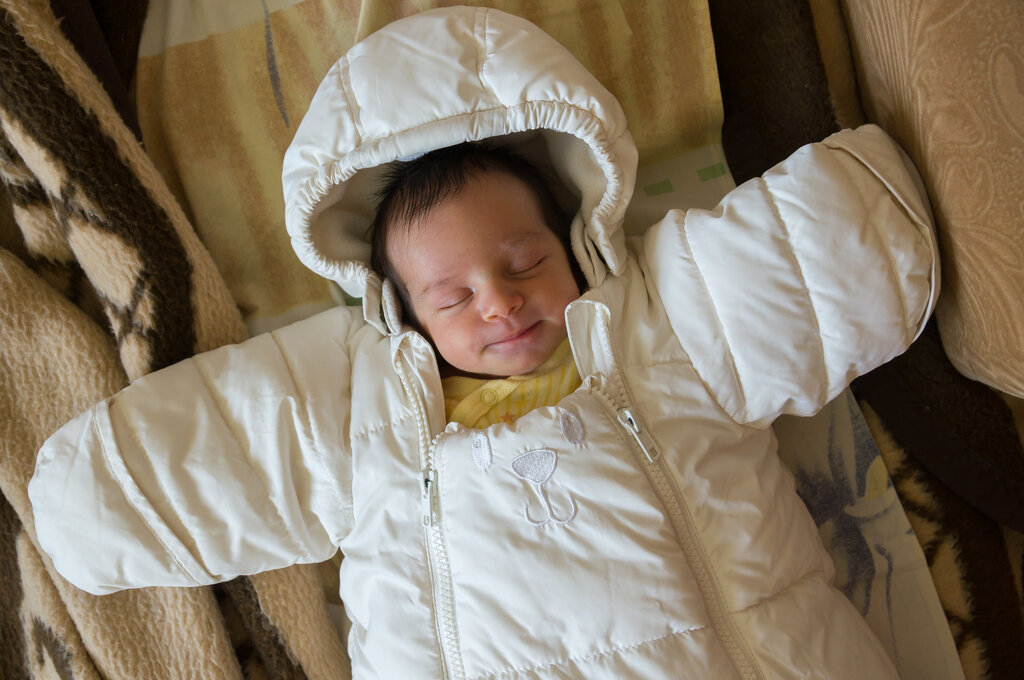
Active Sleep: This is the infant equivalent of REM (Rapid Eye Movement) sleep. During this stage, you might see your baby's eyelids flutter, their arms and legs twitch, or their breathing become irregular. They might even smile or make little noises. This is a light stage of sleep, and they can be woken up easily. Newborns spend about half of their total sleep time in this active phase, which is crucial for brain development.
Quiet Sleep: This is a deeper, more restorative sleep. The baby is still, breathing is regular and deep, and they are much harder to wake. As babies get older, they start to spend more time in quiet sleep and their sleep cycles lengthen.
Because their sleep cycles are so short, babies often wake up after just an hour. This is completely normal and a key reason why they need to sleep so frequently.
Sleep Needs by Age
A baby's sleep needs change dramatically during their first couple of years. What's normal for a newborn is very different from what a one-year-old needs. The total amount of sleep gradually decreases, while the periods of wakefulness get longer.
| Age | Total Sleep (in 24 hours) | Typical Naps |
|---|---|---|
| 0-3 Months | 14-17 hours | Varies; often 4-6 naps |
| 4-6 Months | 12-16 hours | 3-4 naps |
| 7-12 Months | 11-14 hours | 2 naps |
| 1-2 Years | 11-14 hours | 1-2 naps |
These are just general guidelines. Every baby is different, and there's a wide range of what's considered normal. Don't worry if your baby sleeps a little more or less than the chart suggests.
Reading the Signs
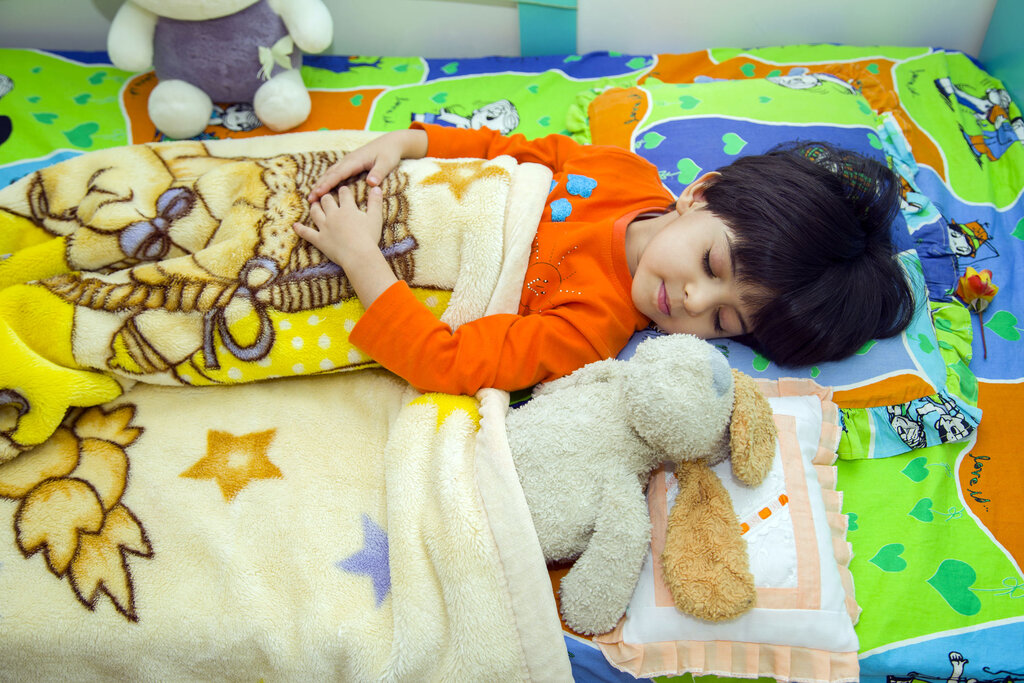
Learning to spot when your baby is getting tired is one of the most useful skills you can develop. Putting them down to sleep when they're drowsy but not yet overtired can make it much easier for them to settle. An overtired baby is often fussy and has a harder time falling asleep.
Look for these common sleep cues:
- Yawning
- Rubbing their eyes or ears
- Looking away or avoiding eye contact
- Fussing or becoming irritable
- Staring off into space
- Jerky arm and leg movements
When you see these signs, it's a good time to start your wind-down routine for a nap or bedtime. Understanding these natural rhythms can help you work with your baby's needs, not against them.
Around what age does a baby's internal clock (circadian rhythm) begin to sync up with a 24-hour day?
Unlike adults, newborns primarily cycle between two main sleep stages. What are they called?
Observing and understanding your baby’s unique sleep patterns is the first step toward building healthy sleep habits for the whole family.