B3 Interest Rates and Futures Dollar Dynamics
Introduction to B3
Meet B3, Brazil's Financial Hub
In the heart of Brazil's economy is a single, massive marketplace: B3. Its name stands for Brasil, Bolsa, Balcão (Brazil, Exchange, Over-the-Counter). This is where a huge variety of financial assets are bought and sold, from shares in famous Brazilian companies to contracts based on coffee prices or the value of the US dollar.
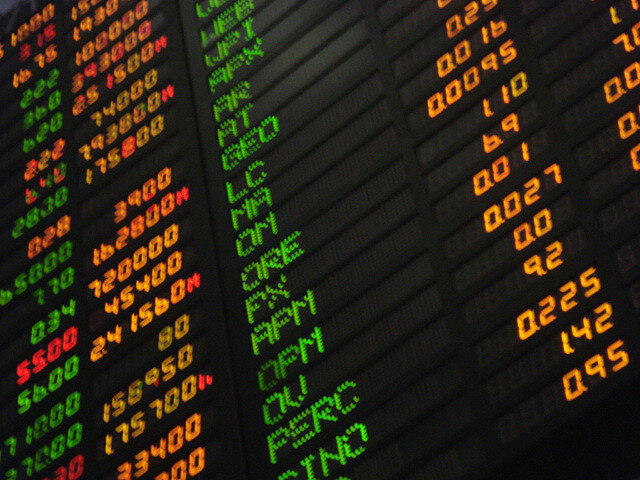
Think of it as more than just a place to trade. B3 handles the entire lifecycle of a financial transaction, ensuring everything is fair, transparent, and secure. Its main jobs are:
- Trading: Providing the electronic platform where buyers and sellers meet.
- Clearing: Acting as a central counterparty for every trade. This means B3 guarantees the deal will go through, even if one side backs out. It's a crucial layer of security.
- Settlement: Overseeing the final exchange, where the buyer pays and the seller delivers the asset.
- Depository: Keeping the official, centralized electronic records of who owns what.
More Than Just Stocks
While stocks are what exchanges are famous for, B3 is a marketplace for a wide array of financial instruments. This diversity allows investors and businesses to manage different kinds of financial needs and risks.
Understanding these different products is key to seeing how the broader economy, from interest rates to currency values, connects back to this central market.
The main categories of instruments you'll find on B3 include:
| Instrument Type | What It Is |
|---|---|
| Stocks (Ações) | A share of ownership in a public company. |
| Currencies (Moedas) | Trading foreign currencies, like the U.S. Dollar. |
| Commodities (Mercadorias) | Raw materials, such as coffee, soybeans, corn, and gold. |
| Futures Contracts | An agreement to buy or sell an asset at a set price on a future date. |
| Interest Rate Derivatives | Financial contracts whose value is tied to changes in interest rates. |
In this context, futures and interest rate derivatives are especially important. They are the tools used by banks, companies, and investors to protect themselves from, or speculate on, future changes in prices and interest rates. They form the foundation of the markets we'll be exploring.
Why B3 Matters
B3's role in the Brazilian financial system is critical. It provides the infrastructure for capital to flow efficiently. Companies can raise money by selling stock, allowing them to grow and create jobs. The government can finance its operations by issuing bonds. Farmers can lock in prices for their crops using commodity futures, protecting them from price drops.
Furthermore, the prices discovered on B3 for things like interest rates and the U.S. dollar serve as benchmarks for the entire economy. The interest rate futures market, for example, signals where the market believes Brazil's policy rate (the Selic rate) is headed. This influences everything from the rate on a personal loan to a company's decision to build a new factory. B3 isn't just a market; it's a vital source of information for the entire Brazilian economy.
To get a better feel for these concepts, let's test your knowledge.
What does the name B3 stand for?
Which core function of B3 involves acting as a central counterparty to guarantee that a trade will be completed, even if one party defaults?
With this overview of B3, you have a solid foundation for understanding the specific markets that operate within it, which we will explore next.