B2B SaaS Marketing Essentials
Understanding B2B SaaS Marketing
What Makes B2B SaaS Marketing Different?
Marketing software to another business isn't like selling shoes or a streaming subscription. Business-to-Business (B2B) Software-as-a-Service (SaaS) marketing has its own unique rulebook. The biggest difference? You're not selling a one-time product; you're selling an ongoing relationship built on a subscription model.
This means the initial sale is just the beginning. The real goal is to keep customers happy and engaged for the long haul, because your success is tied to their continued subscription.
B2B SaaS markets are defined by a few key characteristics:
- Longer Sales Cycles: Businesses don't make quick decisions about software that impacts their operations. The process can take months and involves research, demos, and negotiations.
- Multiple Decision-Makers: You're rarely selling to just one person. A typical deal might involve a project manager who uses the software, a department head who approves the budget, and an IT specialist who checks for security and compatibility. Each person has different concerns and needs to be convinced.
- Complex Products: SaaS products often solve complicated business problems. Marketing needs to educate potential customers about how the software works and, more importantly, what problems it solves for their specific company.
- High-Value Relationships: Because the products are complex and the commitment is long-term, trust is everything. B2B marketing is less about flashy ads and more about building credibility and demonstrating expertise.
| Characteristic | Traditional B2C Marketing | B2B SaaS Marketing |
|---|---|---|
| Audience | Individual Consumers | Multiple Stakeholders in a Business |
| Sales Cycle | Short (minutes to days) | Long (weeks to months) |
| Decision | Emotional, impulse-driven | Rational, logic-driven |
| Relationship | Transactional | Long-term, partnership-focused |
| Goal | Single purchase | Subscription and retention |
Strategy Before Tactics
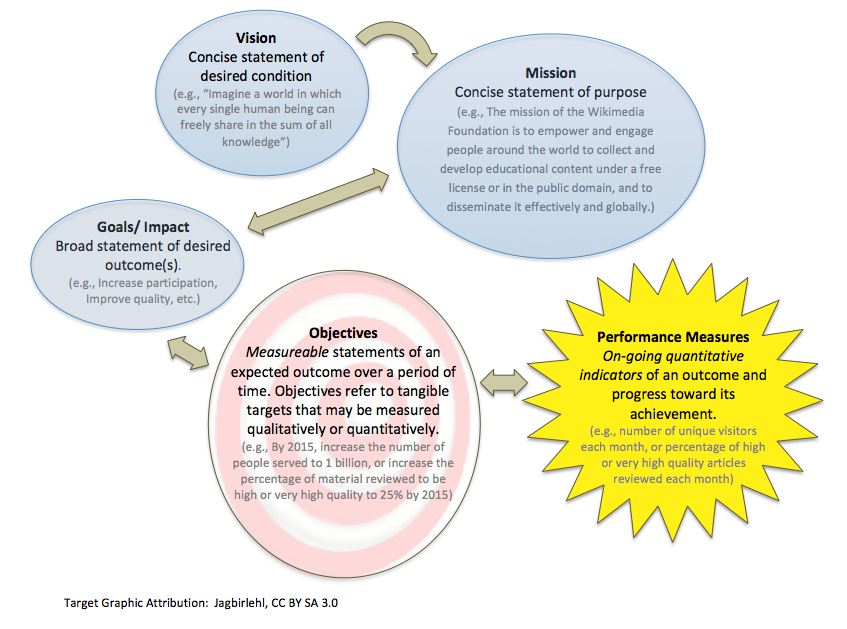
In B2B SaaS, a marketing plan without clear business goals is like a ship without a rudder. Every marketing activity, from writing a blog post to running a webinar, must be directly connected to what the company wants to achieve. Are you trying to enter a new market? Reduce customer churn? Increase the average subscription value?
A successful B2B SaaS product aligns with the company’s business objectives.
This alignment ensures that marketing isn't just a cost center but a driver of growth. For example, if the business objective is to reduce the number of customers who cancel their subscriptions, the marketing team's strategy might focus on creating educational content that helps existing users get more value from the product. This could include tutorials, case studies, and best-practice guides.
This strategic approach prevents teams from chasing vanity metrics like social media likes or website traffic that don't translate into actual business results. Instead, the focus shifts to key performance indicators (KPIs) that matter, such as customer acquisition cost (CAC), lifetime value (LTV), and monthly recurring revenue (MRR).
The Modern B2B Buyer
The way businesses buy software has changed dramatically. Buyers are more informed and empowered than ever. They do their own research, read reviews, and compare options long before they ever speak to a salesperson. They don't want to be sold to; they want to be educated.
This shift means marketing's job has evolved from persuasion to guidance. The goal is to be the most helpful and trusted resource available.
Modern customer engagement is about understanding your audience's challenges and providing solutions, often through valuable content. Instead of a sales pitch focused on features, a successful strategy might involve a blog post that helps a potential customer diagnose their problem, a webinar that explores different solutions, or a case study that shows how a similar company succeeded.
This approach builds trust and positions your company as an expert partner, not just a vendor.
Understanding your potential clients' pain points is key to closing B2B SaaS deals effortlessly.
The buyer's journey is no longer a straight line from awareness to purchase. A potential customer might bounce between different stages, consuming content, talking to peers, and trying out free versions of software. A flexible, channel-agnostic strategy is essential. This means creating a seamless experience for the buyer, regardless of whether they're on your website, a social media platform, or a third-party review site. The focus is on the customer's journey, not the company's predefined marketing funnel.
With these foundational concepts in mind, let's test your understanding.
What is the most significant difference in B2B SaaS marketing compared to marketing a one-time consumer product?
Why does a typical B2B SaaS sales process involve multiple decision-makers?
By focusing on long-term relationships, aligning with business goals, and guiding the modern buyer, B2B SaaS marketing becomes a powerful engine for sustainable growth.