Azure Storage Fundamentals
Introduction to Cloud Storage
Storing Data in the Cloud
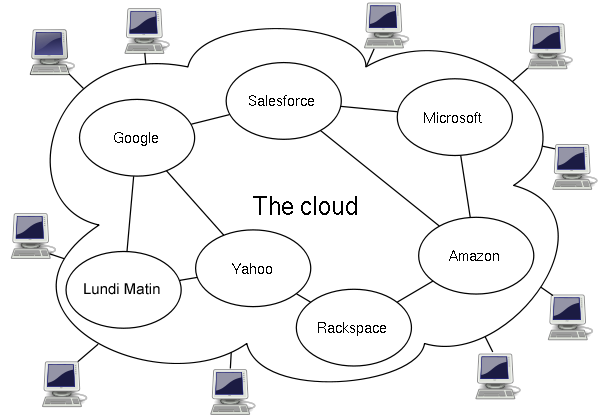
At its core, cloud storage is a service that lets you save data over the internet to an off-site storage system maintained by a third party. Think of it less like a filing cabinet in your office and more like a secure, limitless digital warehouse you can access from anywhere.
Instead of saving files to your computer’s hard drive or an external drive, you send them over the internet to a data center. These data centers are massive, highly secure buildings filled with powerful computer servers. When you need a file, you just retrieve it from the cloud.
Key Benefits
Moving data to the cloud comes with several major advantages over traditional methods.
Accessibility: Your data isn't tied to a single physical location. As long as you have an internet connection, you can access your files from a phone, tablet, or any computer, wherever you are.
Scalability: Cloud storage grows with your needs. If you suddenly need more space, you can get it instantly without buying new hardware. If you need less, you can scale back down. This flexibility is a game-changer.
Scalability
noun
The ability of a system to handle a growing amount of work by adding resources. In cloud storage, this means you can easily increase or decrease your storage capacity on demand.
Cost-Effectiveness: With traditional storage, you have to buy and maintain your own hardware. That means upfront costs, plus ongoing expenses for electricity, space, and IT staff. Cloud storage often uses a "pay-as-you-go" model, so you only pay for the storage you actually use.
Durability and Recovery: Cloud providers are experts in keeping data safe. They automatically create backups and copies of your data across multiple locations. If one server fails or a disaster strikes a data center, your data remains safe and accessible.
Cloud vs. Traditional Storage
The best way to understand the shift to the cloud is to compare it directly with traditional, on-premises storage, which means keeping your data on hardware you own and manage yourself.
| Feature | Traditional Storage | Cloud Storage |
|---|---|---|
| Accessibility | Limited to the physical location or local network | Accessible from anywhere with an internet connection |
| Cost | High upfront hardware costs, plus maintenance | Pay-as-you-go model, no upfront hardware costs |
| Scalability | Difficult and slow; requires buying new hardware | Easy and instant; adjust capacity on demand |
| Maintenance | Managed entirely by you or your IT team | Managed by the cloud provider |
| Data Security | Your responsibility to implement backups and security | Handled by provider with built-in redundancy and security |
| Disaster Recovery | Complex and expensive to set up | Often included as a core feature of the service |
Common Use Cases
Cloud storage is incredibly versatile and powers many of the services we use every day.
- Backup and Recovery: It provides a secure, off-site location for backing up important personal or business data. If your local hardware fails, you can restore your files from the cloud.
- Software Development: Developers use cloud storage to hold code, test applications, and collaborate on projects without needing to manage their own servers.
- Data Archiving: For data that needs to be kept for compliance or historical reasons but isn't accessed often, the cloud offers a low-cost, secure archiving solution.
- Big Data Analytics: Companies can store massive datasets in the cloud and use powerful cloud computing services to analyze them for insights, without having to build a supercomputer.
- Content Delivery: Media companies can store videos, music, and images in the cloud and deliver them to users globally with low latency.
Essentially, any scenario that requires storing, accessing, or sharing digital information can benefit from the flexibility and power of the cloud.
Now that you've got a handle on the basics, let's test your knowledge.
What is the core concept of cloud storage?
A startup experiences rapid growth and their data storage needs double every month. Which key benefit of cloud storage is most relevant to this situation?
Understanding these fundamental concepts is the first step. By offloading storage to the cloud, individuals and businesses can focus more on what they do best, leaving the complexities of data management to the experts.