Azure Fundamentals Explained
Cloud Computing Basics
What Is Cloud Computing?
Think about how your home gets electricity. You don't own a power plant in your backyard. Instead, you plug into a massive grid and pay for what you use. Cloud computing applies this same idea to technology.
Instead of buying and managing your own servers, storage, and networking hardware, you can access these services over the internet from a provider like Microsoft Azure. It's a way to rent computing power and infrastructure instead of owning it.
Cloud computing is the delivery of computing services (servers, storage, databases, networking, software, and more) over the internet (the cloud), offering faster innovation, flexible resources, and economies of scale.
This shift lets companies focus on building their products and services without the headache and expense of maintaining their own data centers. All the complex hardware management is handled by the cloud provider.
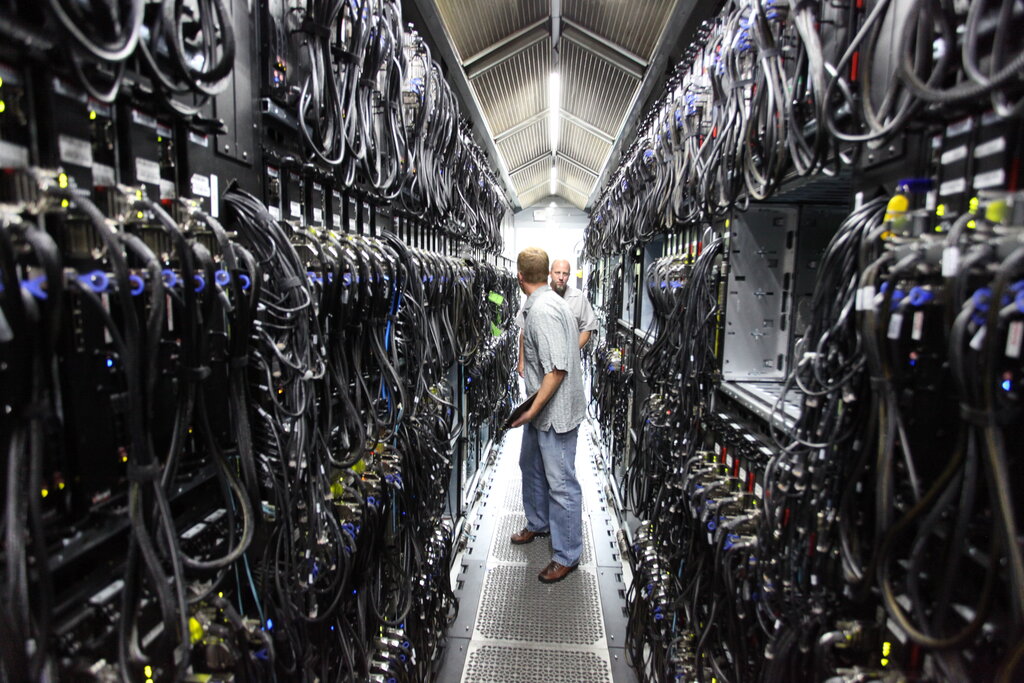
Key Characteristics
What makes the cloud so powerful? It comes down to a few core characteristics.
First is scalability. Imagine an online store that suddenly gets featured on a popular TV show. Website traffic explodes. If the store ran on its own physical server, it would likely crash. Scalability in the cloud means the store can instantly add more computing power to handle the surge, ensuring a smooth experience for all the new customers.
Closely related is elasticity. This is the ability to scale resources up and down automatically. After the TV feature ends and traffic returns to normal, the online store doesn't need all that extra power. Elasticity means the system automatically scales back down, so the store only pays for the resources it's actually using.
This leads directly to cost efficiency. The traditional approach required buying enough hardware to handle peak demand, even if that peak only happened a few times a year. Most of the time, that expensive equipment would sit idle. With the cloud's pay-as-you-go model, you only pay for what you use, much like your electric bill. This eliminates large upfront costs for hardware and reduces ongoing operational expenses.
The Three Service Models
Cloud computing isn't a one-size-fits-all solution. Services are typically offered in three main models, each providing a different level of control and management.
Infrastructure as a Service (IaaS) is the most basic level. The cloud provider manages the physical infrastructure—the servers, storage, and networking. You are responsible for everything else, including the operating system, databases, and your applications. IaaS gives you the most control and is like leasing the essential hardware for a data center without having to buy it.
Think of IaaS like leasing a plot of empty land. You get the fundamental ground and utilities, but you have to build the house yourself from the ground up.
Platform as a Service (PaaS) goes a step further. The provider manages the hardware and the operating systems, databases, and development tools. You just focus on building and running your applications. PaaS is ideal for developers who want a ready-made environment to create, test, and deploy software without worrying about the underlying infrastructure.
PaaS is like renting a house that's already built. The foundation, walls, and roof are all there. You just need to move in your furniture (your code and data).
Software as a Service (SaaS) is the most hands-off model. The provider manages everything, from the hardware to the software itself. You simply access the application over the internet, typically through a web browser. If you've used email services like Outlook or file storage like Dropbox, you've used SaaS. You just use the software; you don't manage any part of its delivery.
SaaS is like staying in a fully furnished and serviced hotel room. Everything is provided and maintained for you. You just show up and use it.
Ready to check what you've learned?
What is the core idea behind cloud computing, as compared to the electricity grid analogy?
An e-commerce site experiences a massive traffic spike during a flash sale. The platform automatically adds servers to handle the load. After the sale, it automatically removes the extra servers. This ability to scale up and then back down is known as ____.
Understanding these core concepts is the first step in navigating the world of cloud computing. Whether it's the instant scalability of IaaS or the simplicity of SaaS, the cloud offers a powerful and flexible way to build and run technology.